Seafood plays an important role in diets across the world, offering variety, flavor, and valuable nutrients. However, many shoppers feel overwhelmed when standing at a seafood counter or browsing the frozen aisle. Understanding the types of seafood available makes it easier to choose products that fit your taste preferences, budget, and cooking skills.
Seafood generally refers to edible aquatic animals, but it is commonly grouped into specific categories based on biological differences and culinary use. Learning these categories helps everyday buyers shop with confidence.
Fish as a Primary Seafood Category
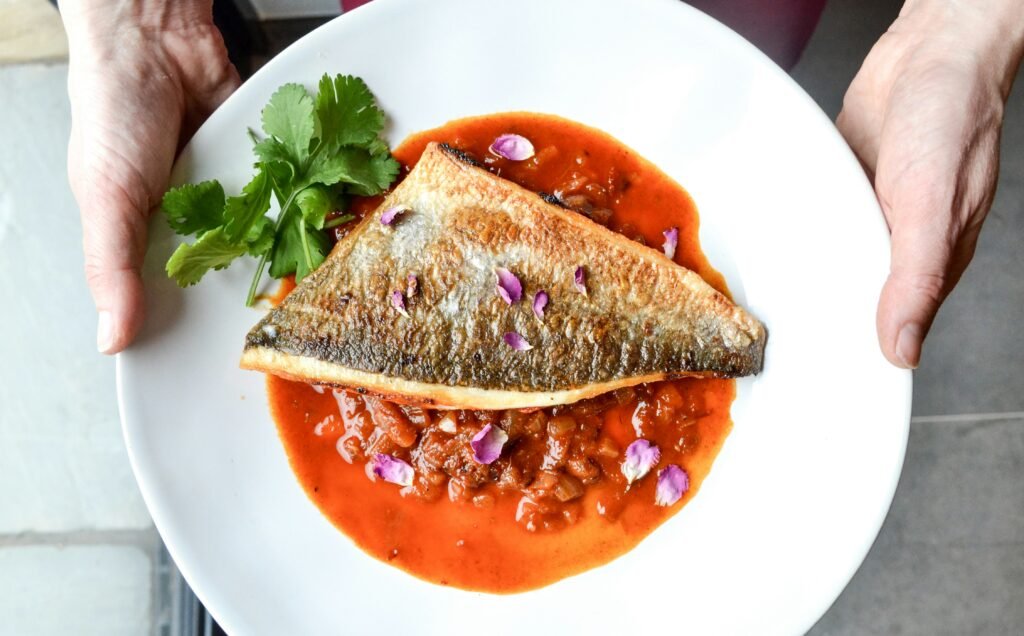
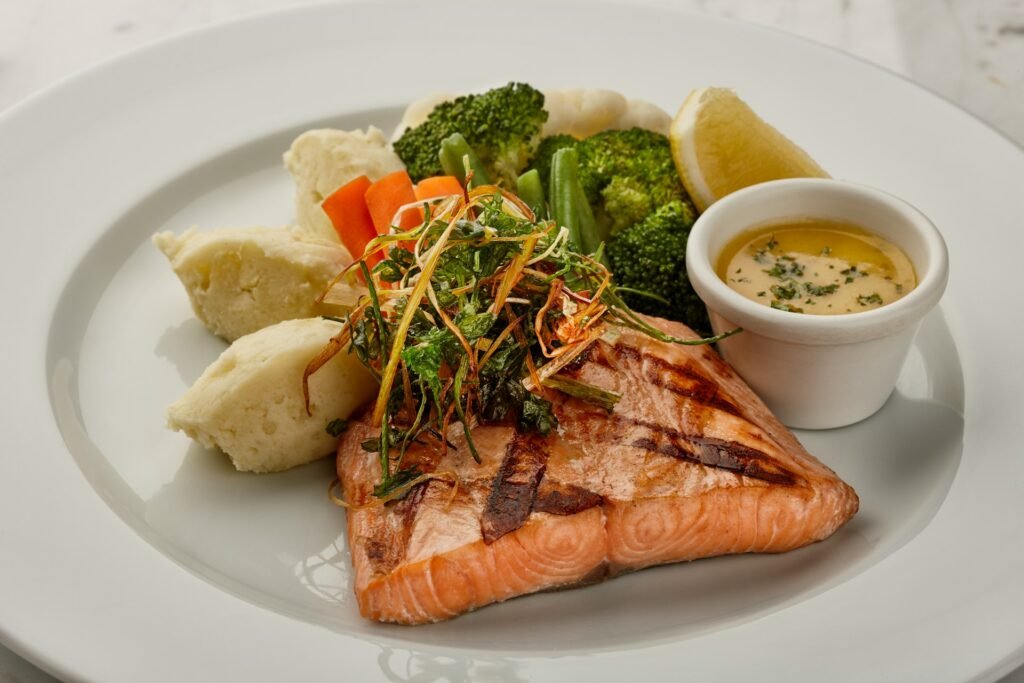
Fish are one of the most familiar options people encounter when shopping for seafood. They are usually divided into lean fish and fatty fish. Lean fish such as cod, haddock, and flounder have mild flavors and firm textures, making them suitable for baking, grilling, or pan-frying. Fatty fish like salmon, tuna, and mackerel are richer in taste and contain beneficial omega-3 fatty acids.
Among the types of seafood, fish are often the easiest to cook and are widely available in both fresh and frozen forms. This accessibility makes fish a popular starting point for buyers new to seafood cooking.
Understanding Shellfish Varieties
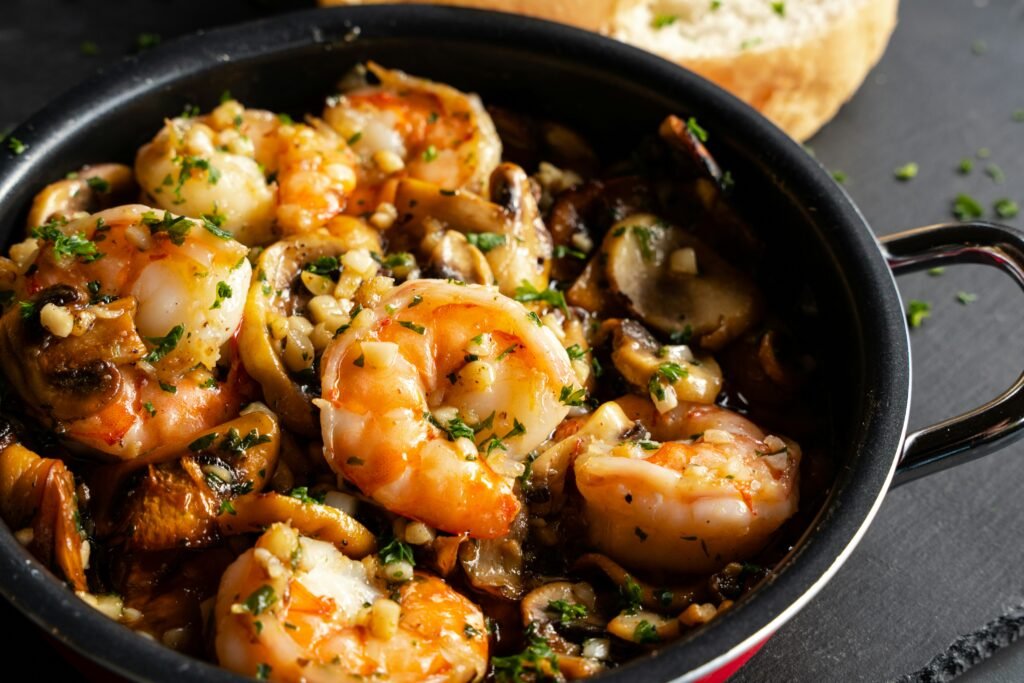
Shellfish are another major group and differ from fish due to their shells or outer coverings. They are divided into crustaceans and mollusks. Crustaceans include shrimp, crab, lobster, and crayfish, all known for their sweet flavor and tender meat. Mollusks include clams, oysters, mussels, scallops, squid, and octopus, each offering unique textures and taste profiles.
These types of seafood are commonly used in soups, pastas, grills, and raw preparations, depending on cultural traditions and recipes.
Wild Caught and Farm-Raised Seafood
When learning about seafood, buyers often encounter labels such as wild-caught or farm-raised. Wild-caught seafood is harvested directly from oceans, rivers, or lakes, while farm-raised seafood is grown in controlled environments. Both options can be healthy and safe when responsibly sourced.
Understanding sourcing helps buyers evaluate quality and sustainability, which has become an important factor when choosing among different types of seafood.
How Freshness Affects Quality
Freshness is one of the most important considerations when purchasing seafood. Fresh fish should have firm flesh, shiny skin, and a mild ocean scent. Shellfish should be tightly closed or close quickly when touched. Frozen seafood can also be an excellent option, as modern freezing techniques preserve flavor and nutrients.
Knowing how to judge freshness allows buyers to enjoy the best quality from all types of seafood, regardless of whether they are shopping for fresh or frozen.
Nutritional Value of Seafood
Seafood is widely recognized for its nutritional benefits. Most varieties are high in protein and low in saturated fat. Many also provide essential nutrients such as vitamin D, iodine, selenium, and omega-3 fatty acids. Including seafood regularly can support heart health, brain function, and overall wellness.
Rotating different seafood options ensures a balanced intake of nutrients while keeping meals interesting.
Making Confident Seafood Choices
For everyday buyers, seafood shopping does not need to feel complicated. By understanding categories, sourcing, and freshness, anyone can make informed decisions. With basic knowledge and practice, seafood becomes easier to prepare and enjoy at home.
Knowing the types of seafood empowers shoppers to select products that align with their lifestyle, cooking confidence, and health goals, turning seafood into a reliable and enjoyable part of everyday meals.
Photo by Orkun Orcan on Unsplash