Shrimp is one of the most popular seafood choices worldwide. Many people love its mild taste and quick cooking time. It fits easily into salads, bowls, and stir-fries. Shrimp is also widely used in high-protein meal plans. Yet some people still wonder about cholesterol and safety concerns. Others worry about allergies and additives in frozen shrimp. The good news is that shrimp can support a balanced diet. It offers lean protein with few calories per serving. It also contains several important vitamins and minerals. Still, not every shrimp dish is equally healthy. Frying and heavy sauces can change its nutrition fast. Shopping choices also matter for quality and freshness. This guide explains the benefits, calories, and possible downsides. You will learn when shrimp is a smart choice. You will also learn when it is better to limit it.
Calories and Nutrition: A Lean Protein Choice
Shrimp is naturally low in calories and high in protein. A typical serving size is about three to four ounces. That portion can provide around twenty grams of protein. It usually contains less than two grams of fat. Shrimp contains almost zero carbs in plain form. The exact calories can change with the cooking method. Boiled or steamed shrimp stays very light. Fried shrimp can add hundreds of extra calories quickly. Many people ask, is shrimp healthy for weight management goals? For most diets, it can support fat loss and muscle building. Protein helps you feel full longer after meals. That can reduce snacking and overeating during the day. Shrimp also cooks quickly, which helps with meal planning. You can build simple meals with vegetables and whole grains.
Health Benefits: Nutrients That Support the Body
Shrimp offers several important nutrients for daily health. It contains vitamin B12, which supports energy and nerve function. It also provides selenium, which helps protect cells from damage. Iodine in shrimp supports thyroid hormones and metabolism control. Shrimp provides phosphorus, which supports bone and tooth strength. It also includes zinc, which helps immune health and healing. Another helpful compound is astaxanthin, a natural antioxidant found in shrimp. Antioxidants may support healthy skin and inflammation balance. Many ask, is shrimp healthy for heart-focused eating plans? Shrimp contains some omega-3 fats, though not as much as salmon. It can still be part of a heart-friendly menu. Pair shrimp with olive oil and fresh vegetables for better results. Use herbs and lemon instead of heavy sauces.
Risks and Downsides: Cholesterol, Sodium, and Additives
Shrimp does have cholesterol, which raises common questions. One serving contains a noticeable amount of dietary cholesterol. However, cholesterol from food affects people differently. Saturated fat often impacts blood cholesterol more than shrimp does. That is why many health experts allow shrimp in moderation. If you have high LDL, ask your doctor for advice. People with diabetes or heart risk may need careful portions. Another concern is sodium in packaged shrimp products. Some frozen shrimp is treated with salt or additives. Pre-cooked shrimp often contains more sodium than fresh shrimp. Always check the nutrition label and ingredient list. Choose options labeled with no added salt when possible. You may still ask, is shrimp healthy if you have high blood pressure? It can be, but low-sodium choices matter.
Food Safety and Allergies: Who Should Avoid Shrimp
Food safety and allergies are serious concerns. Shellfish allergy is one of the most common food allergies. Reactions can be mild or life-threatening in some cases. If you suspect an allergy, avoid shrimp completely. Cross-contact can happen in kitchens and restaurants easily. Food handling also matters because shrimp spoils quickly. Always store shrimp cold and cook them thoroughly. Raw shrimp should smell clean, not strong or sour. Cooked shrimp should be firm and pink, not mushy. Buying shrimp from trusted sellers lowers contamination risk. Some shrimp farms may use antibiotics or poor water conditions. Look for reliable sources and quality certifications when possible. If you eat shrimp often, rotate with other seafood choices. Many still ask, is shrimp healthy when it comes from a restaurant. Choose grilled, boiled, or steamed options whenever possible.
Healthy Ways to Eat Shrimp: Best Cooking Methods
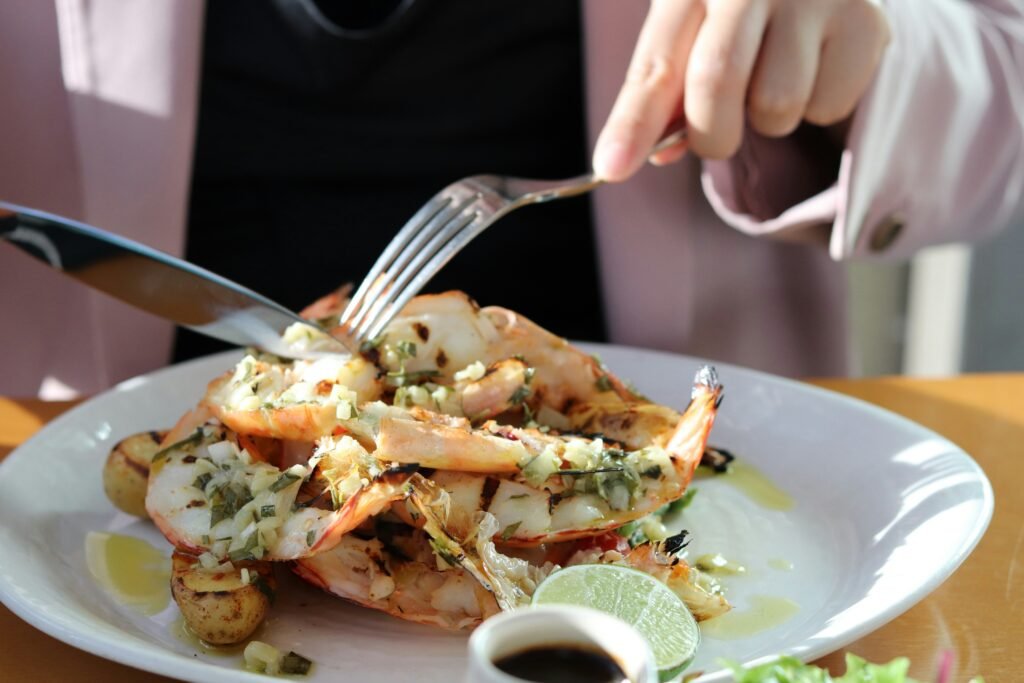
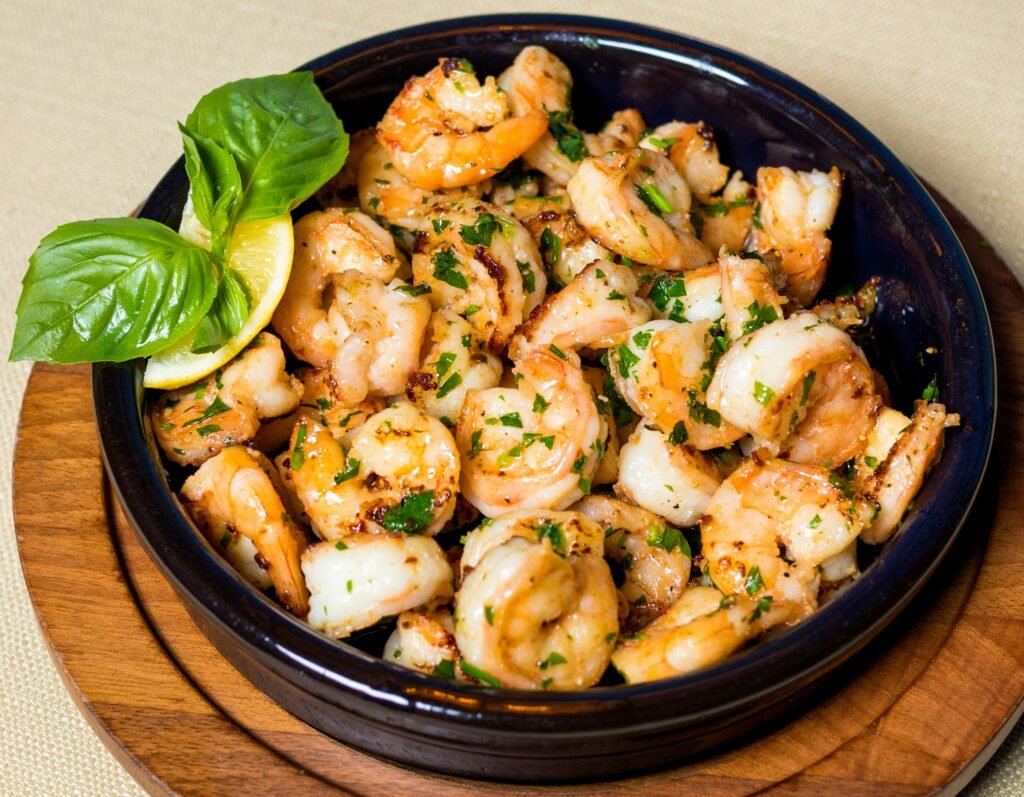
The healthiest shrimp meals are simple and balanced. Grilling shrimp keeps calories low and flavor high. Steaming shrimp helps preserve nutrients without adding extra fat. Boiled shrimp works well for bowls, wraps, and salads. Pair shrimp with fiber-rich sides for better fullness. Good choices include vegetables, beans, and brown rice. Avoid creamy sauces that add saturated fat quickly. Avoid deep frying, which raises calories and can increase inflammation risks. Use garlic, paprika, lemon, and herbs for flavor. Choose whole food sides instead of refined breading. Portion size also matters for regular shrimp intake. A standard serving is three to four ounces cooked. Eating shrimp twice per week can fit many balanced diets. So, is shrimp healthy overall for most people? Yes, especially when cooked lightly and eaten in moderation.
Photo by Farhad Ibrahimzade on Unsplash