A seafood allergy can feel scary and confusing, especially for people who love seafood meals. It may appear suddenly, even if you ate seafood safely before. Some reactions stay mild, while others become dangerous very fast. Knowing the symptoms helps you act quickly and avoid serious problems. It also helps you understand which foods might trigger a reaction. Many people think all seafood causes the same risk. In reality, different seafood types can affect people in different ways. Some react to shellfish, while others react to finned fish. Cross-contact can also cause reactions without eating the seafood directly. This can happen through shared cooking oil or cutting boards. Safe alternatives exist, so you can still enjoy tasty meals. With good planning, you can eat confidently and stay protected. This article explains key symptoms, major triggers, and safer choices. It also covers how to reduce risk in restaurants and at home. Always speak with a medical professional for diagnosis and personal guidance.
Seafood Allergy Symptoms: What Your Body May Show
Seafood allergy symptoms can start within minutes after eating seafood. Some people notice itching around the mouth or a scratchy throat. Hives, redness, and swelling are also common reactions. Digestive problems may include nausea, cramps, vomiting, or diarrhea. Breathing symptoms may include coughing, wheezing, or shortness of breath. Some feel dizziness or a fast heartbeat during a reaction. Severe reactions can become anaphylaxis, which is a medical emergency. Anaphylaxis may cause throat swelling and trouble breathing quickly. Always seek emergency help if symptoms feel intense or worsen fast. Keep prescribed medicine ready if your doctor recommends it.
Common Triggers: Shellfish, Fish, and Hidden Sources
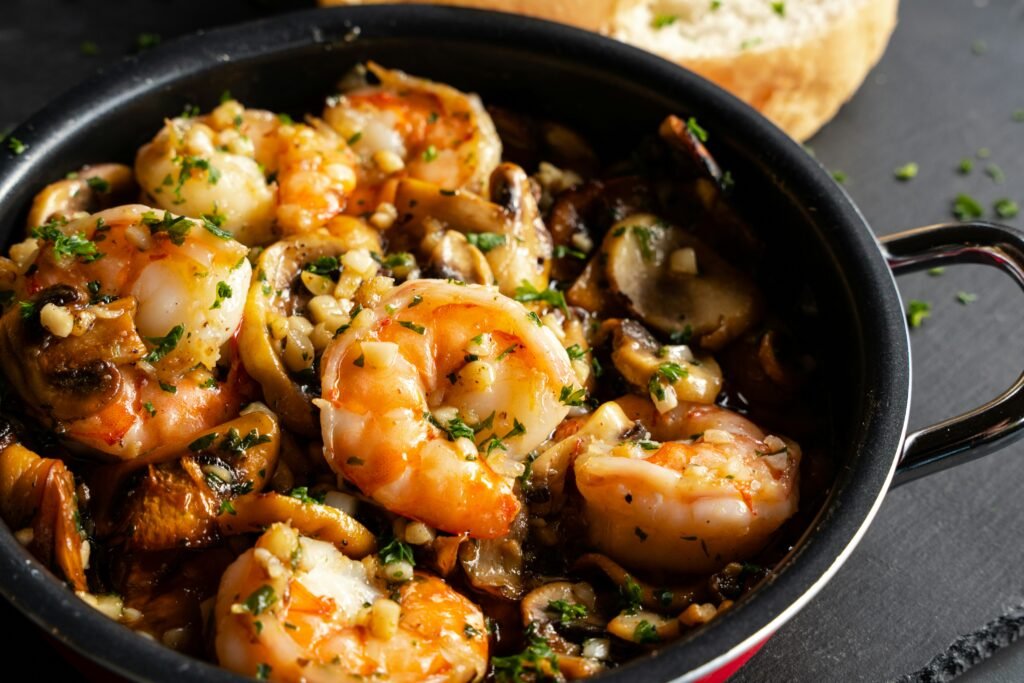
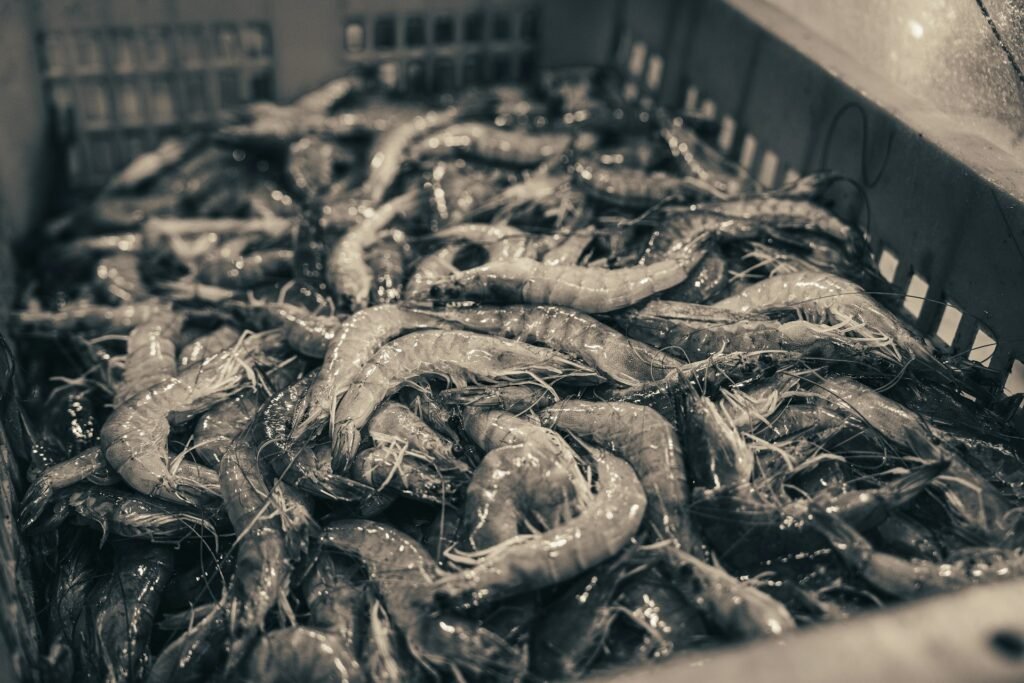
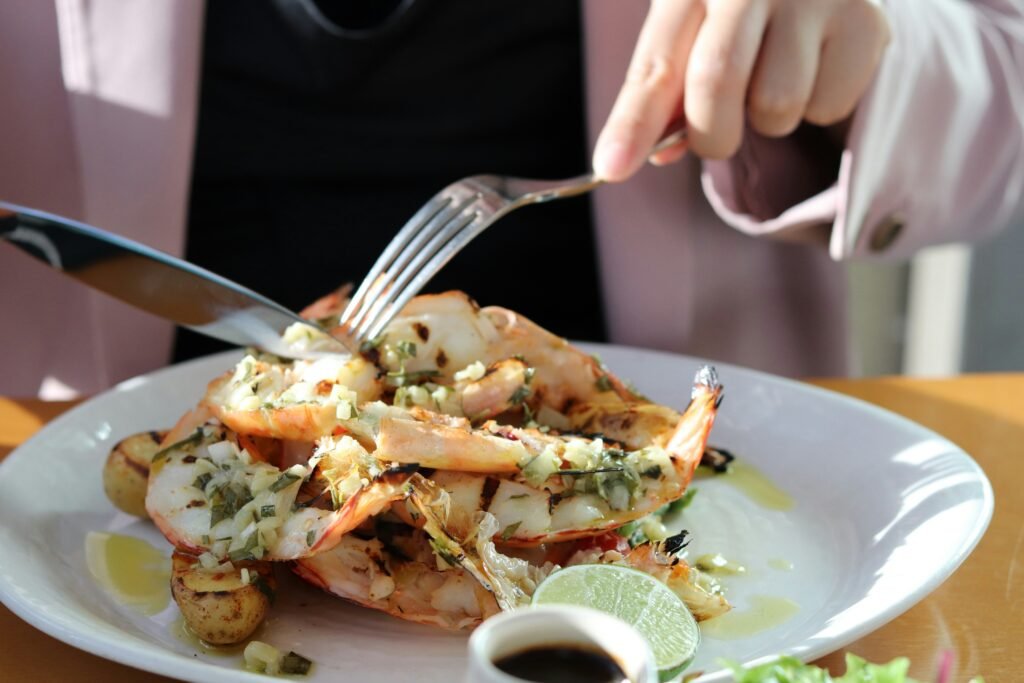
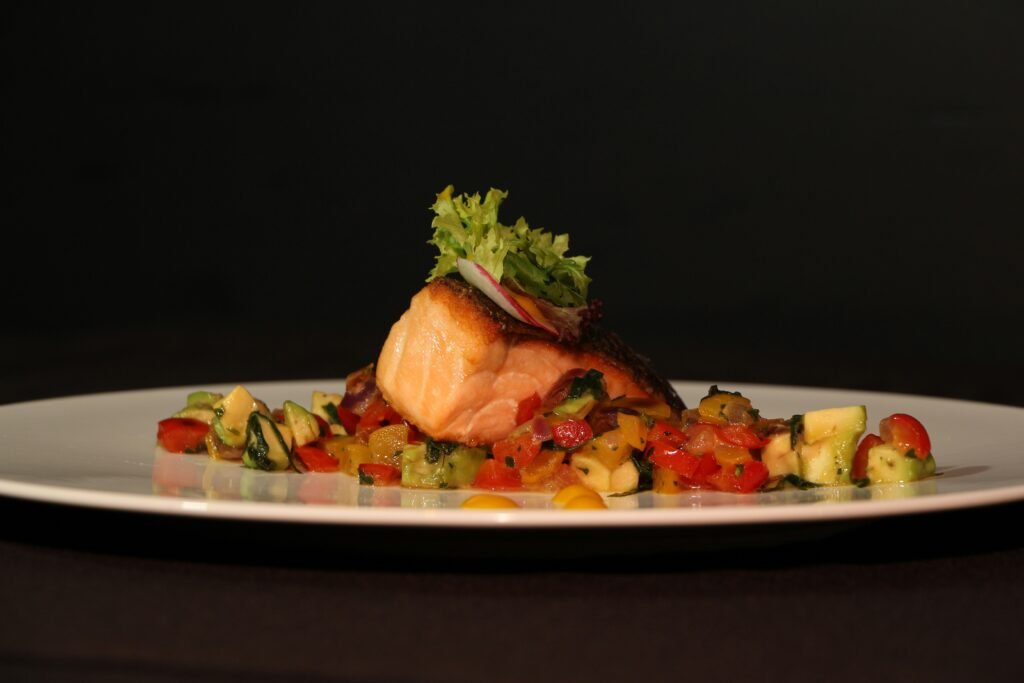
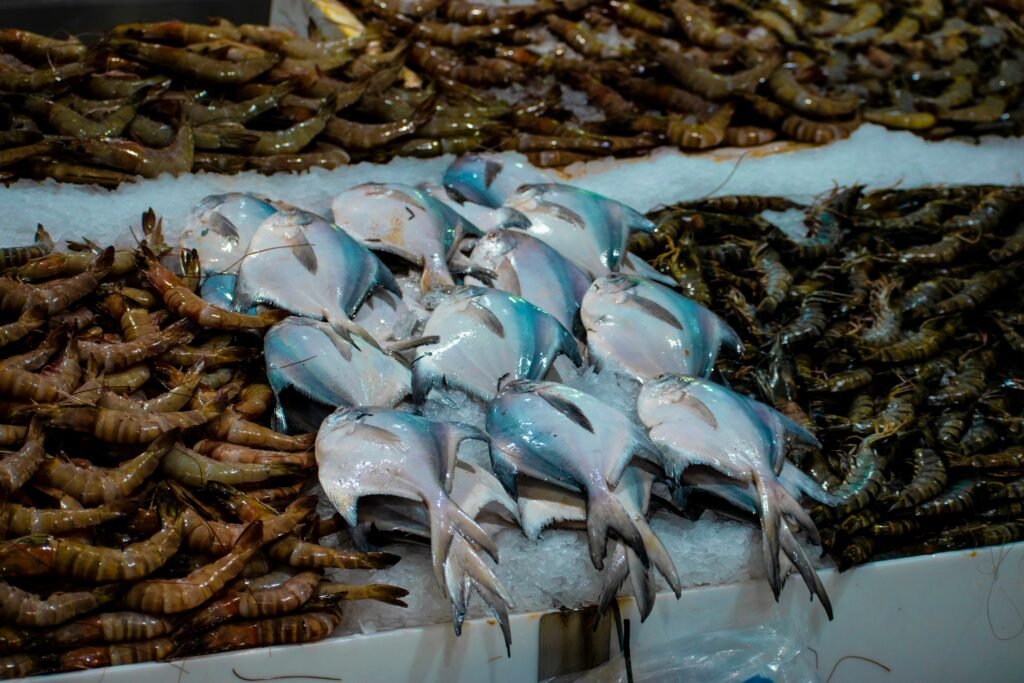
A seafood allergy often involves shellfish like shrimp, crab, and lobster. It can also involve mollusks like clams, mussels, oysters, and scallops. Some people react to finned fish like salmon, tuna, and cod. Shellfish allergy and fish allergy are different, but they can overlap. Hidden seafood can appear in sauces, soups, and fried snacks. Fish sauce, oyster sauce, and shrimp paste are common examples. Surimi, imitation crab, may contain fish proteins. Fried foods may share oil with seafood in many kitchens. Even steam from cooking seafood can irritate sensitive individuals. Always ask about ingredients and cooking methods when eating out.
Cross-Contact Risks: Why Small Amounts Can Still Matter
Cross-contact happens when seafood proteins touch safe food accidentally. It can occur on grills, pans, knives, and cutting boards. Buffets and shared serving spoons also greatly increase the risk. Even a small trace may trigger symptoms in sensitive people. Restaurants may cook seafood and other foods in the same oil. This can contaminate fries, chicken, or vegetables with seafood proteins. At home, shared sponges and dish towels can spread allergens. Store-bought foods may be processed on shared equipment, too. Always read labels for warnings about shared facilities or lines. If unsure, choose packaged foods with clear allergy-safe labeling.
Safe Alternatives: Protein Choices That Replace Seafood Comfortably
Safe alternatives help you enjoy meals without seafood ingredients. Chicken, turkey, and lean beef are reliable protein options. Eggs can work well in salads, wraps, and breakfast recipes. Beans, lentils, and chickpeas add protein and fiber naturally. Tofu and tempeh can replace fish in many stir-fry dishes. For a “sea” flavor, use seaweed flakes in small, controlled amounts. Check ingredients first, because some seaweed snacks include fish seasonings. Plant-based “fish” products can be useful, but labels must be reviewed. Some contain fish extracts or shared factory contamination warnings. Choose simple meals when trying replacements for the first time.
Staying Safe: Reading Labels and Dining Out With Confidence
Living with a seafood allergy requires careful planning every day. Always read ingredient labels, even on products you bought before. Recipes and manufacturing can change without obvious warnings. Look for clear statements about fish, crustaceans, and mollusks. When dining out, tell the staff about your allergy immediately. Ask if food shares fryers, grills, or preparation surfaces. Avoid seafood restaurants if cross-contact is likely or uncontrolled. Carry your prescribed emergency medication at all times, if advised. Wear a medical alert bracelet if you have severe reactions. Keep a list of safe meals to order during travel and events.
Conclusion: Managing a Seafood Allergy With Smart Choices
A seafood allergy can be managed with knowledge and consistent habits. Learn your symptoms, and never ignore early warning signs. Identify your triggers, including hidden seafood ingredients in sauces. Cross-contact prevention is just as important as avoiding seafood directly. Choose safe proteins like poultry, legumes, and tofu for variety. Label reading and clear restaurant questions protect you from surprises. If symptoms become severe, get emergency care right away. Work with an allergist for testing and a personalized action plan. With preparation, you can still enjoy flavorful meals without fear. Safety and confidence grow when you stay informed and proactive.
Photo by aboodi vesakaran on Unsplash