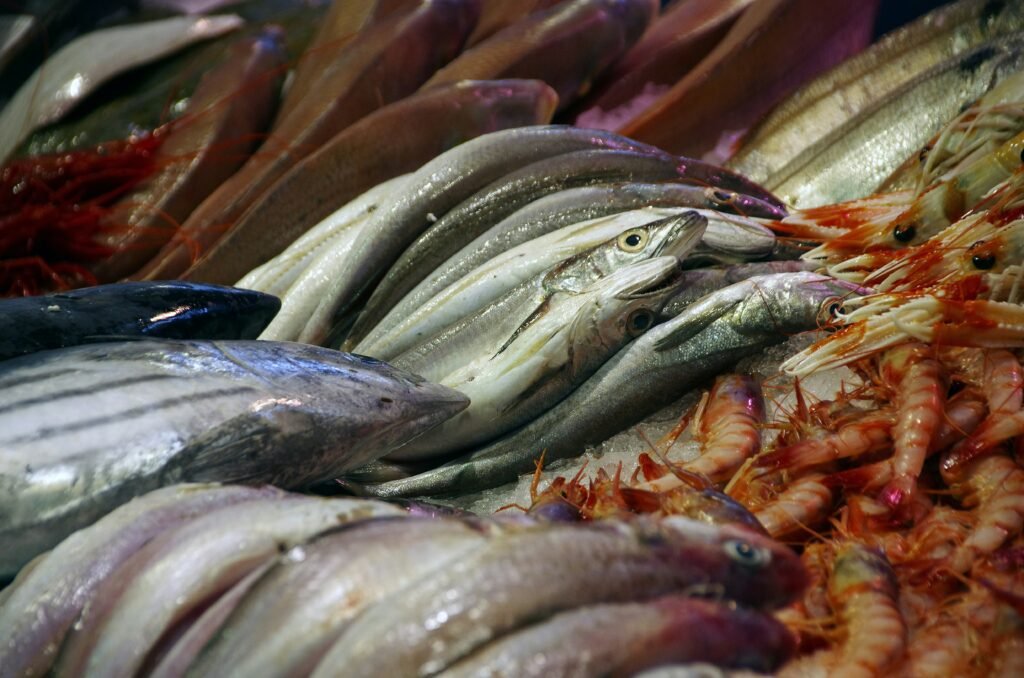
Seafood can be healthy, delicious, and easy to cook at home. However, it can also spoil faster than many other proteins. Knowing the warning signs helps you avoid foodborne illness. It also protects the flavor and texture of your meals. Fish may look fine, yet still be unsafe to eat. That is why checking freshness is always important. Spoilage happens when bacteria grow, and chemicals break down proteins. This process can start quickly if seafood is stored incorrectly. Warm temperatures speed up that damage very fast. Even in a fridge, fish has a short shelf life. Learning simple freshness tests makes shopping and cooking safer. You do not need special tools to check fish quality. Your senses can detect most common spoilage signs. Smell, touch, sight, and timing give strong clues. This guide explains the key signs to watch for. It will help you decide when to cook, freeze, or discard fish.
Smell Test: The First Sign of Fish Going Bad
Fresh fish should smell clean and mild, like the ocean. A strong odor is a major warning sign. Bad fish often smells sour, ammonia-like, or rotten. That sharp smell usually means bacterial growth has started. Some people mistake a strong fish smell for a normal seafood aroma. However, fresh seafood should never smell overwhelming. Trust your nose before you trust the label. If the smell hits you immediately, do not cook it. Cooking may hide odors, but it cannot remove harmful toxins. When in doubt, throw it away for safety.
Texture Changes: Slimy, Sticky, or Mushy Flesh
Fresh fish should feel firm, springy, and slightly moist. If it feels slimy, it may be unsafe. A sticky coating can signal protein breakdown. Mushy texture is another clear spoilage indicator. Press the flesh gently with a finger. It should bounce back quickly and hold its shape. If your finger leaves an indent, freshness is declining. Fish that falls apart easily is not a good sign. Texture issues can appear even without a strong smell. Always check both touch and odor before cooking.
Visual Clues: Color, Eyes, and Skin Condition
Look closely at the fish before buying or cooking it. Fresh fillets should look bright and evenly colored. Dull color can mean the fish is aging. Brown, yellow, or gray areas may indicate spoilage. Whole fish eyes should be clear and slightly bulging. Cloudy or sunken eyes suggest older fish. The skin should look shiny and metallic, not dry. Scales should be intact and not peeling heavily. If you see excessive dryness, avoid purchasing it. Visual checks work best when combined with smell and texture.
The Truth About Expiration Dates and Storage Time
Labels provide guidance, but they do not guarantee safety. Fish can spoil before the printed date. This happens when transport and storage temperatures fluctuate. Fresh fish usually lasts one to two days refrigerated. Shellfish can also spoil quickly after purchase. If seafood sits in the fridge too long, discard it. Always store fish at the coldest fridge temperature. Keep it sealed and placed on ice if possible. Freezing helps, but it must happen while the fish is fresh. If you are unsure, do not take the risk.
How to Avoid Buying Spoiled Seafood at the Store
Smart shopping reduces the risk of bringing home spoiled seafood. Buy seafood from clean counters with proper cold storage. Fish should be displayed on plenty of fresh ice. Avoid packages with torn seals or leaking liquid. Check for strong smells around the seafood area. Ask when the fish was delivered and how it was stored. Fresh fillets should not look dried out or curling. Whole fish should have red, moist gills and clean skin. Choose seafood last during shopping to keep it cold. Use a cooler bag if travel time is long.
When to Throw It Away: Safety Rules for Spoiled Seafood
If you suspect spoiled seafood, do not taste test it. Tasting can expose you to bacteria and toxins. Throw it away if it smells rotten or like ammonia. Discard it if the texture is slimy or unusually soft. Also, discard seafood with discoloration or heavy drying. If seafood is left unrefrigerated for over two hours, toss it. In hot weather, reduce that time to one hour. Remember that reheating does not make spoiled fish safe. Food poisoning symptoms can appear fast and feel severe. Safety should always come before saving money.
Photo by Lothar Boris Piltz on Unsplash