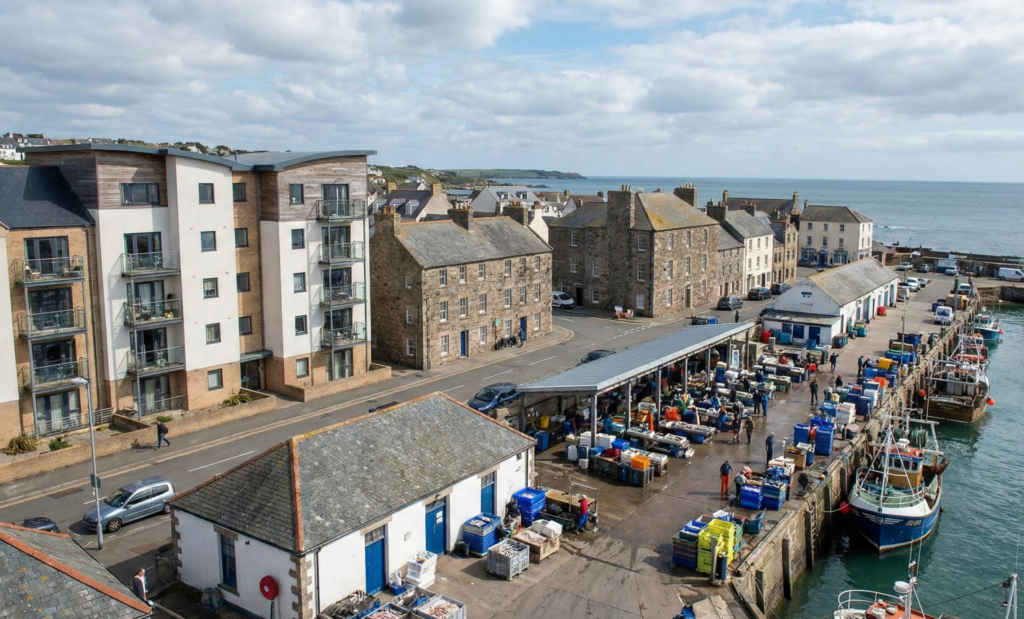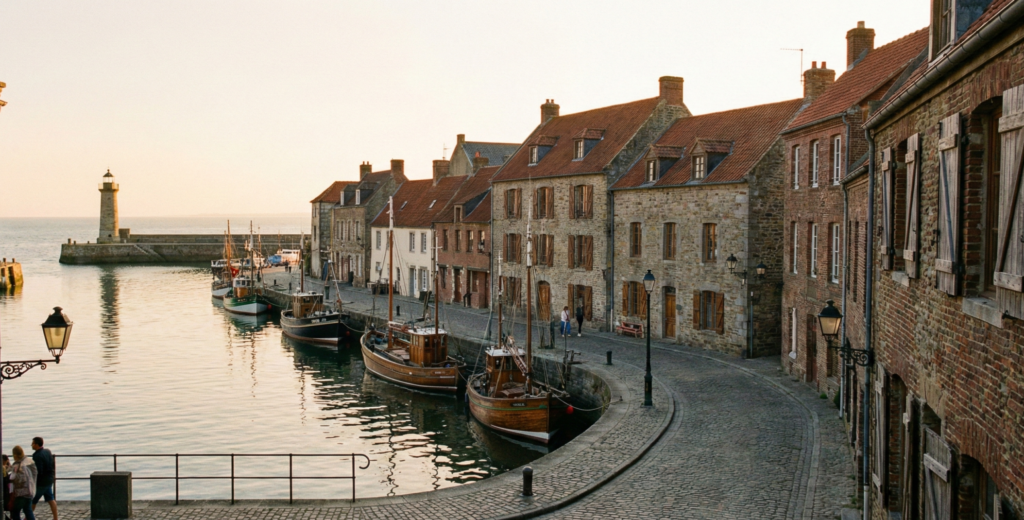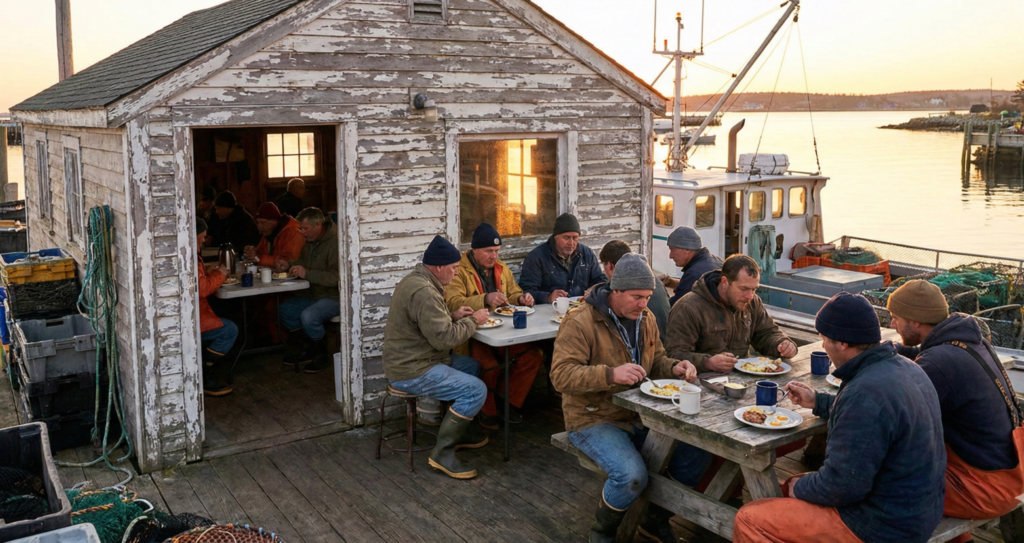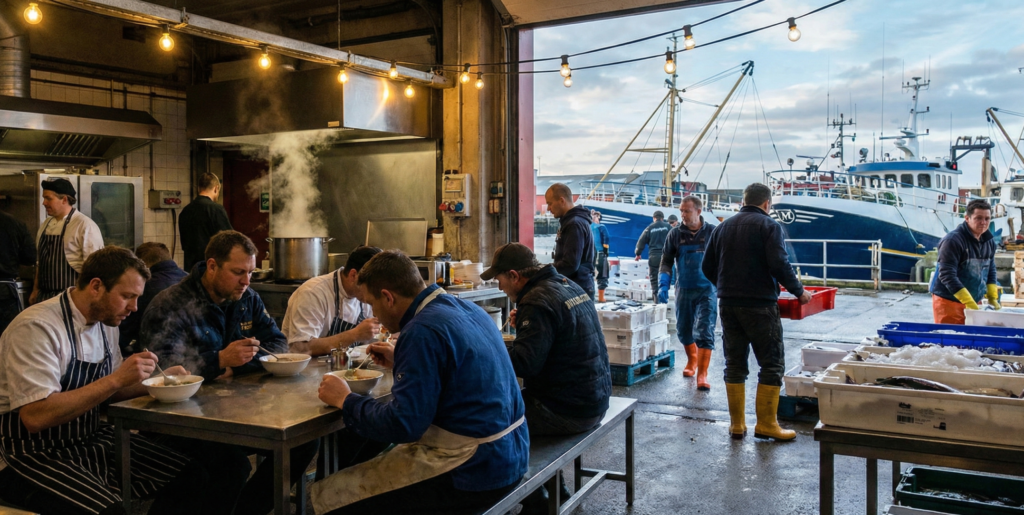
Before dawn breaks over bustling city streets, a select group of culinary professionals converges at an institution largely unknown to the general public: the fish market cafe. These establishments represent a crucial intersection between commerce and gastronomy, serving as informal gathering spaces where chefs, fishmongers, and seafood suppliers begin their day with coffee, conversation, and insider knowledge about the day’s finest catches.
Understanding Fish Market Cafes
Fish market cafes operate within or adjacent to wholesale seafood markets, functioning as essential hubs for professionals in the food industry. Unlike traditional restaurants or coffee shops, these cafes cater specifically to individuals with a vested interest in fresh seafood procurement and culinary excellence. They serve as meeting points where critical business decisions are made and culinary relationships are forged before the sun rises.
The atmosphere in these establishments differs markedly from conventional dining venues. Fluorescent lighting illuminates simple wooden tables, while the aroma of strong coffee mingles with the briny scent of fresh ocean products. The environment is utilitarian yet purposeful, designed for efficiency rather than ambiance.
Why Professional Chefs Prioritize Early Visits
The timing of fish market cafe visits is not arbitrary. Professional chefs arrive during the pre-dawn hours to secure the finest selection of seafood available that day. This early morning tradition offers several distinct advantages:
- First Access to Premium Products: Early arrivals gain first choice of the day’s most exceptional specimens, ensuring access to rare varieties and superior quality cuts.
- Direct Supplier Relationships: Personal interaction with fishmongers allows chefs to discuss sourcing, sustainability practices, and specialized requests for upcoming menus.
- Market Intelligence: Conversations in fish market cafes provide valuable information about seasonal availability, pricing trends, and upcoming specialty items.
- Quality Assurance: Direct inspection of products in their natural setting enables chefs to verify freshness and authenticity before purchase.
The Social and Professional Ecosystem
Fish market cafes function as informal networking centers within the culinary world. Chefs from competing restaurants share tables, exchange recommendations, and discuss industry challenges. This collegial atmosphere fosters a sense of community among professionals who otherwise maintain competitive relationships during business hours.
The cafe serves as a neutral ground where experienced chefs mentor younger culinary professionals, teaching them how to evaluate seafood quality, negotiate with suppliers, and appreciate the nuances of different species. These informal educational moments prove invaluable for culinary development and professional growth.
Menu and Service at Fish Market Cafes
The offerings at fish market cafes remain intentionally simple and straightforward. Hot beverages—primarily strong coffee and tea—form the foundation of most menus. Many establishments also provide basic breakfast items such as pastries, sandwiches, or light fare designed for quick consumption before the workday begins.
Service is characteristically brisk and efficient. Waitstaff understand that their clientele operates on tight schedules and need minimal formality. Orders are taken quickly, fulfilled promptly, and customers are expected to vacate tables within a reasonable timeframe to accommodate the steady stream of early-morning visitors.
The Cultural Significance of Fish Market Cafes
Beyond their practical function, fish market cafes represent an important cultural institution within the global culinary landscape. They embody the principle that exceptional cooking begins long before food reaches the kitchen. These spaces acknowledge that ingredient quality fundamentally determines culinary outcomes, and that securing premium products requires dedication, expertise, and personal commitment.
In an era of increasing culinary globalization and standardization, fish market cafes preserve traditional practices and values. They maintain direct connections between producers and users, ensuring accountability throughout the supply chain and supporting sustainable fishing practices through personal relationships and mutual respect.
Experiencing Fish Market Cafe Culture
For those interested in observing this hidden culinary world, most fish markets remain open to the public during their early morning hours. Visiting a fish market cafe provides insight into how professional chefs approach their craft and the lengths they undertake to ensure excellence. The experience offers a glimpse into the dedication and discipline that underpin fine dining establishments.
Fish market cafes continue to thrive in major culinary cities worldwide, from Tokyo to Copenhagen, from Sydney to San Francisco. Each maintains its own character while serving the same essential function: connecting passionate professionals with the finest ingredients the sea has to offer.
Conclusion
Fish market cafes represent far more than casual meeting spaces; they constitute integral components of professional culinary infrastructure. For chefs committed to excellence, these humble establishments offer access to superior ingredients, valuable professional relationships, and cultural immersion within a community united by shared passion for quality seafood. In choosing to begin their days at fish market cafes, professional chefs demonstrate a fundamental truth: exceptional cuisine is built upon exceptional ingredients, secured through personal dedication and professional integrity.