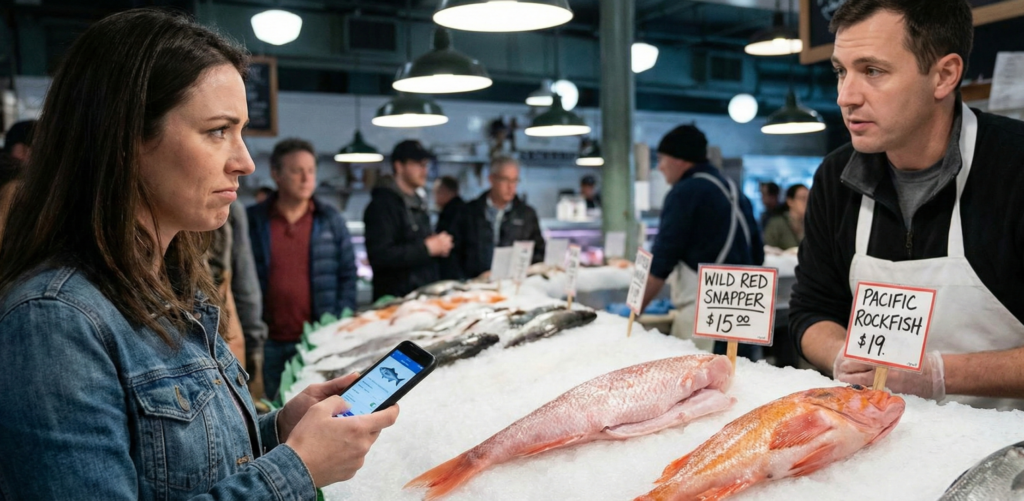
Seafood fraud has become a widespread concern in the global food industry, affecting consumers worldwide. Mislabeled fish products represent one of the most common forms of food fraud, with studies indicating that up to 30% of seafood sold in restaurants and retail outlets may be misidentified. This deceptive practice not only undermines consumer trust but also poses potential health risks and economic consequences for unsuspecting buyers.
The complexity of seafood supply chains makes it relatively easy for dishonest vendors to substitute lower-quality or less expensive fish species with premium varieties. Understanding how to identify mislabeled seafood is essential for protecting your health, your wallet, and supporting legitimate fishing practices.
Why Seafood Mislabeling Occurs
Seafood mislabeling typically occurs for financial gain. Premium fish species command significantly higher prices in the market, making them attractive targets for fraudulent substitution. Common examples include:
- Replacing expensive wild salmon with cheaper farmed varieties
- Selling less desirable fish species under premium labels
- Misrepresenting the origin or catch method of seafood
- Falsely labeling genetically modified or endangered species
Beyond profit motives, mislabeling may also result from inadequate supply chain oversight, poor labeling practices, or insufficient regulatory enforcement in certain regions.
Health and Safety Implications
Mislabeled seafood presents genuine health concerns for consumers. Some fish species contain higher levels of mercury, parasites, or other harmful contaminants. Individuals with allergies may experience serious reactions if served an undisclosed fish species. Additionally, consuming endangered or illegally caught fish inadvertently supports harmful environmental practices and threatens marine ecosystems.
People with shellfish allergies, for instance, need accurate labeling to avoid potentially life-threatening allergic reactions. Pregnant women and young children are particularly vulnerable to high mercury levels found in certain fish species, making accurate labeling critically important for these populations.
Key Indicators of Mislabeled Fish
Visual Characteristics
Examining the physical appearance of fish can provide valuable clues about its authenticity:
- Color and Texture: Different species have distinct coloring patterns and flesh textures. Familiarize yourself with the appearance of fish you regularly purchase.
- Size Consistency: Fish of the same species typically maintain similar proportions. Unusually large or small specimens may indicate mislabeling.
- Muscle Striations: Premium species like wild salmon display distinctive muscle patterns that farmed varieties lack.
- Fat Distribution: Wild fish typically show different fat marbling compared to farmed specimens.
Price Anomalies
Pricing irregularities often signal potential fraud. If a premium species is priced significantly below market value, question its authenticity. Compare prices across multiple retailers to establish baseline expectations for specific fish varieties.
Labeling Details
Legitimate seafood labels should include:
- Specific species name (both common and scientific)
- Country or region of origin
- Catch or harvest date
- Catch method (wild-caught, farmed, pole-caught, etc.)
- Any relevant certifications or sustainability claims
Vague labeling, missing information, or generic descriptions should raise suspicion.
Common Fish Species Subject to Fraud
Certain fish varieties are more frequently mislabeled due to their premium pricing and consumer demand:
- Salmon: Wild salmon is often substituted with cheaper farmed varieties
- Red Snapper: Frequently replaced with less expensive rockfish or tilapia
- Grouper: Commonly mislabeled as more expensive varieties
- Cod: Often substituted with pangasius or other white fish
- Tuna: Subject to species substitution and origin misrepresentation
Practical Steps to Protect Yourself
Purchase from Reputable Sources
Choose seafood vendors with strong reputations and transparent practices. Established fishmongers and retailers with quality certifications are generally more reliable. Ask vendors about their sourcing practices and request documentation when purchasing premium species.
Request Detailed Information
Don’t hesitate to ask questions about the fish you’re purchasing. Knowledgeable staff should be able to provide specific information about species, origin, and catch method. If vendors cannot provide these details, consider shopping elsewhere.
Learn Species Characteristics
Educate yourself about the fish species you regularly consume. Understanding their appearance, texture, taste, and typical pricing helps you identify inconsistencies. Resources like the Seafood Watch program and FDA guidelines provide valuable identification information.
Look for Certifications
Certifications from organizations such as the Marine Stewardship Council (MSC), the Aquaculture Stewardship Council (ASC), or Seafood Watch indicate that seafood has been sourced responsibly and verified through rigorous standards. These certifications provide additional assurance of product authenticity.
Use DNA Testing Tools
Several organizations now offer affordable DNA testing kits for consumers who wish to verify seafood authenticity at home. These tests can definitively identify fish species and alert you to mislabeling.
Reporting Suspected Mislabeling
If you suspect seafood fraud, reporting it helps protect other consumers and holds vendors accountable.