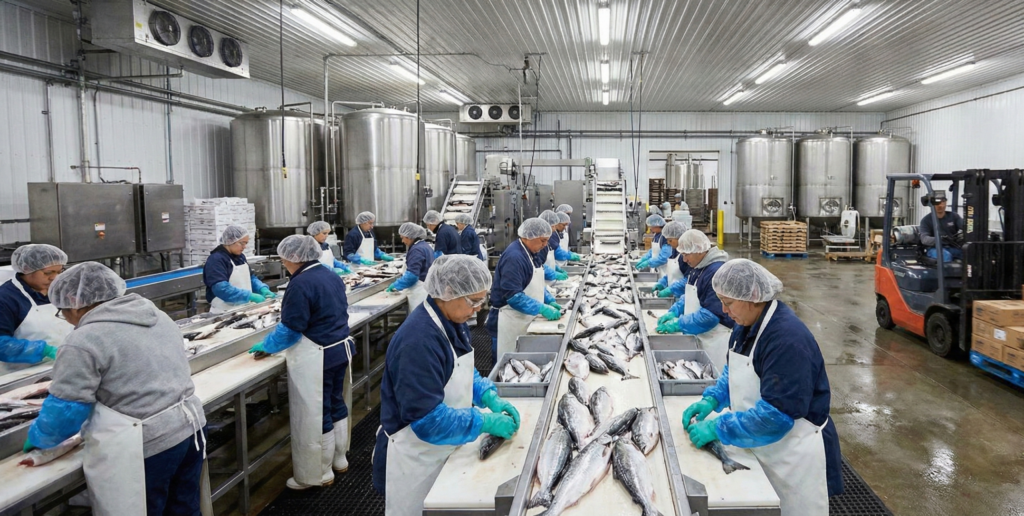
The fishing industry encompasses far more than commercial fishermen casting nets into open waters. A diverse array of career opportunities exists throughout the sector, offering professionals the chance to contribute to this vital industry while remaining on dry land. From regulatory compliance to technological innovation, the fishing industry provides rewarding positions for individuals with varied skill sets and educational backgrounds.
Processing and Manufacturing Roles
Fish processing facilities employ thousands of workers who transform raw catch into consumer-ready products. These positions include quality control specialists, who ensure products meet safety and regulatory standards, and production supervisors, who oversee daily operations and maintain efficiency targets. Processing technicians operate specialized equipment designed to clean, fillet, freeze, and package fish and seafood products. These roles require attention to detail, physical stamina, and knowledge of food safety protocols such as HACCP (Hazard Analysis and Critical Control Points).
Research and Scientific Positions
Scientific advancement in the fishing industry relies on dedicated researchers and biologists. Marine biologists study fish populations, breeding patterns, and ecosystem health to inform sustainable fishing practices. Fisheries scientists conduct research on stock management, conservation strategies, and species behavior. These positions typically require advanced degrees and offer intellectual challenges while contributing to environmental stewardship. Research positions are available in government agencies, universities, and private research institutions.
Regulatory and Compliance Careers
Fisheries management requires professionals who understand complex regulations and enforcement protocols. Fisheries officers monitor compliance with fishing regulations, investigate violations, and protect marine resources. Policy analysts develop and evaluate fisheries management strategies at federal and state levels. These careers demand strong analytical skills, knowledge of environmental law, and commitment to sustainable resource management. Positions are typically found within government agencies such as the National Oceanic and Atmospheric Administration (NOAA) and state fish and wildlife departments.
Sales and Marketing Opportunities
The commercial aspect of the fishing industry creates substantial employment in sales, marketing, and business development. Sales representatives connect fishing operations with retailers, restaurants, and distributors, promoting products and negotiating contracts. Marketing professionals develop brand strategies and consumer campaigns that highlight product quality and sustainability credentials. Account managers maintain relationships with major clients and identify new market opportunities. These positions suit individuals with strong interpersonal skills and business acumen.
Technology and Innovation Roles
Modern fishing operations depend on advanced technology, creating demand for skilled technology professionals. Software developers create management systems for tracking catches, monitoring vessel operations, and analyzing market data. Equipment engineers design and improve fishing technology, from net systems to electronic monitoring devices. Data analysts process catch data to optimize operations and support management decisions. These roles offer competitive compensation and appeal to technically-minded professionals seeking meaningful work.
Environmental and Sustainability Positions
As sustainability becomes increasingly important, the fishing industry seeks environmental consultants and sustainability specialists. These professionals assess environmental impact, develop conservation practices, and help companies achieve sustainability certifications. They work to balance commercial interests with ecological responsibility, ensuring long-term viability of fish stocks and marine ecosystems. Background in environmental science, marine ecology, or business sustainability strengthens candidacy for these positions.
Logistics and Supply Chain Management
The journey from ocean to consumer requires sophisticated logistics operations. Supply chain managers coordinate the movement of seafood products from vessels to processing facilities to distribution centers. Logistics coordinators schedule shipments, manage inventory, and ensure cold chain compliance—critical for maintaining product quality. Warehouse managers oversee storage operations and inventory systems. These careers require organizational skills, problem-solving ability, and often benefit from formal supply chain certifications.
Education and Training Positions
Skilled workers are essential to industry success, making educational roles increasingly valuable. Vocational instructors teach fish processing techniques and safety protocols at community colleges and training centers. Supervisory trainers develop training programs and mentor new employees. These positions allow professionals to shape the industry’s future workforce while sharing expertise and best practices.
Administrative and Office-Based Careers
Every fishing operation requires administrative support. Human resources specialists manage recruitment, employee relations, and compliance with labor regulations. Financial analysts and accountants manage budgets, analyze profitability, and ensure regulatory compliance. Office managers coordinate daily operations and maintain organizational systems. These positions provide stable employment with standard office environments while supporting industry operations.
Conclusion
The fishing industry’s career landscape extends well beyond traditional fishing roles, offering diverse opportunities for professionals across multiple disciplines. Whether your interests lie in science, technology, business, sustainability, or operations, careers in the fishing industry provide meaningful work that contributes to feeding global populations while advancing environmental stewardship. Exploring these varied career paths reveals that the fishing industry is a dynamic, multifaceted sector with opportunities suited to numerous career aspirations and professional backgrounds.