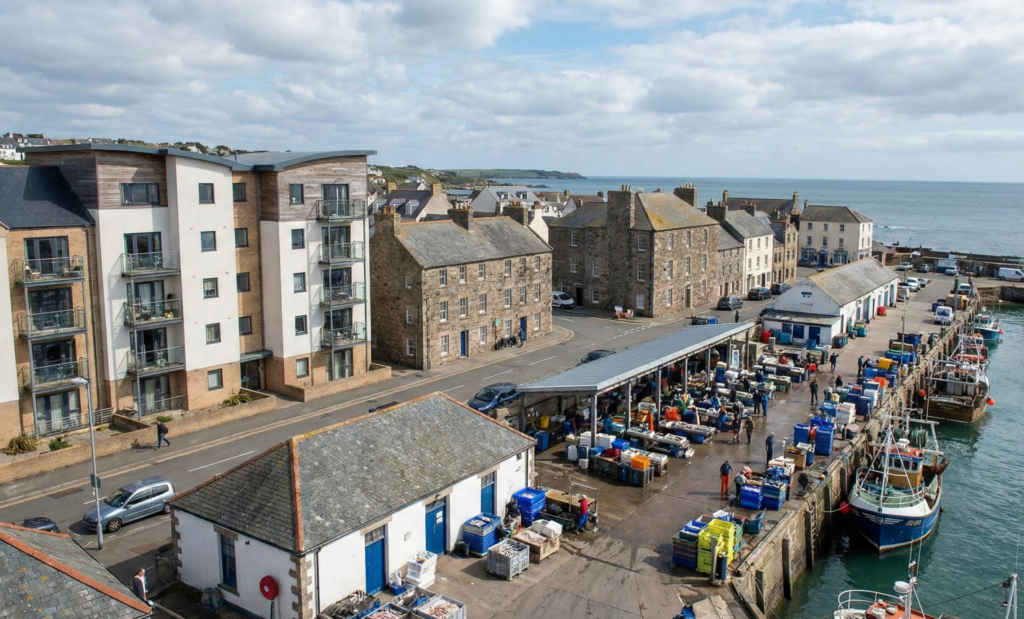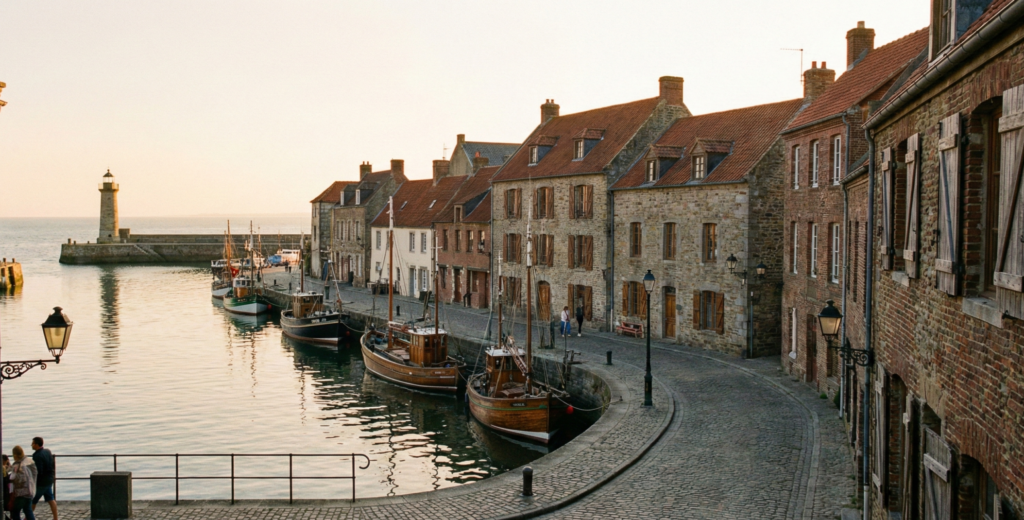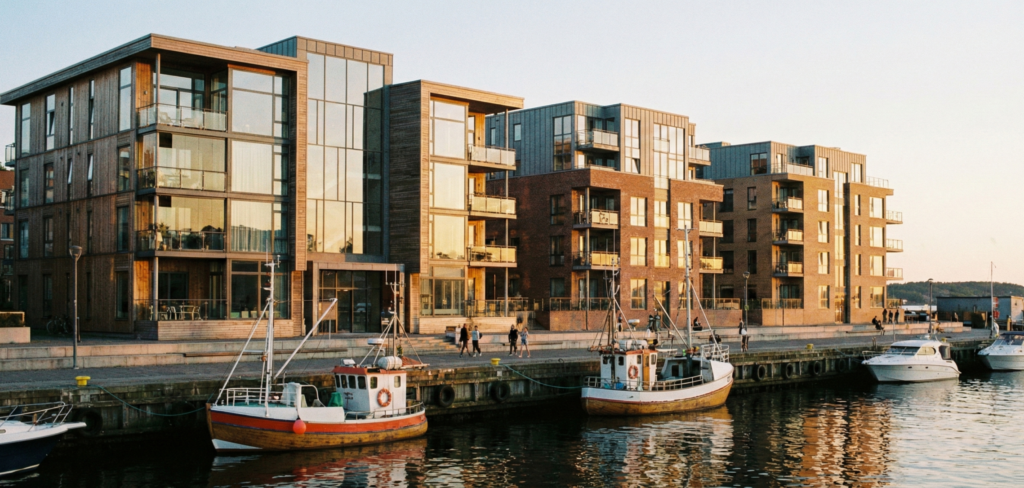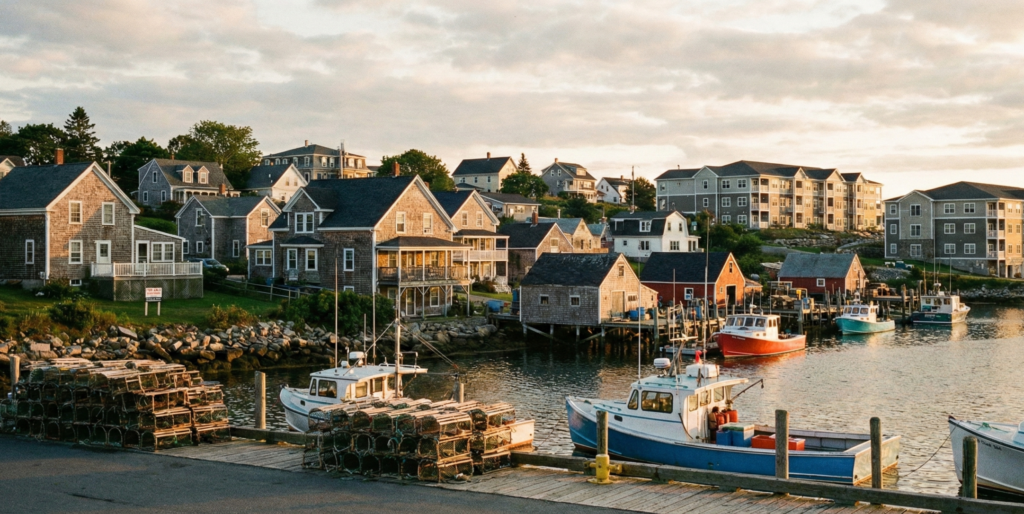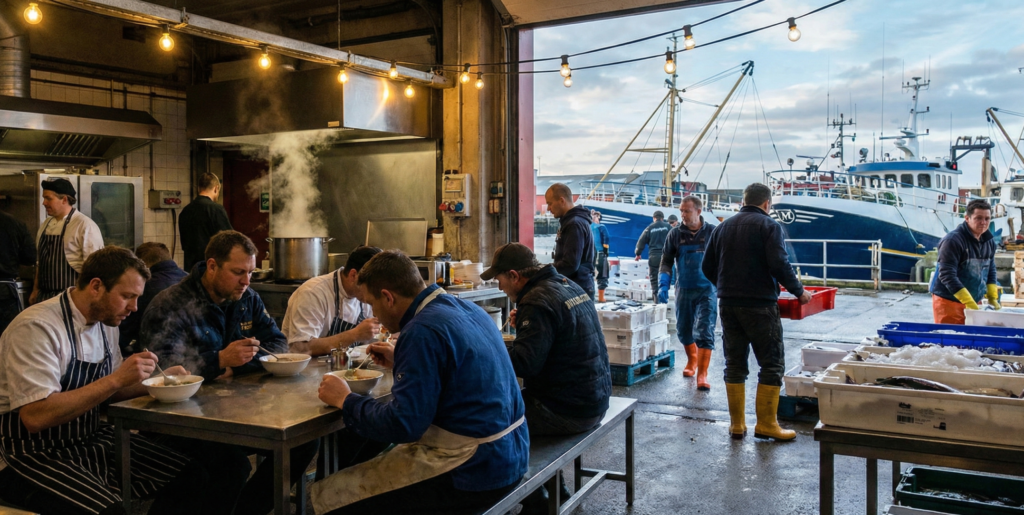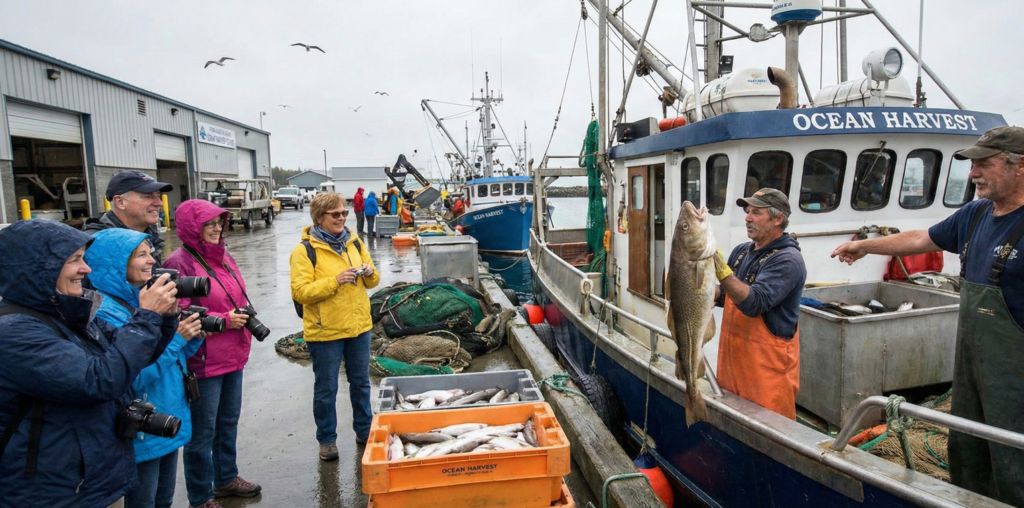
Working harbor tours offer visitors a unique opportunity to explore the dynamic ecosystems where commercial fishing operations thrive. These immersive experiences provide insight into the complex systems that bring seafood to tables across the nation. By engaging with working harbors, participants gain a deeper appreciation for the people and processes that sustain this vital industry.
The commercial fishing sector represents far more than simple business operations. It embodies generations of tradition, expertise, and dedication from families who have built their livelihoods on the water. Understanding these communities requires direct engagement with the individuals who dedicate their lives to this demanding profession.
The Journey from Ocean to Table
Commercial fishing operations involve numerous stages, each requiring specialized knowledge and skill. Working harbor tours illuminate the complete journey that seafood undertakes before reaching consumers. Visitors witness firsthand how catch is processed, sorted, and prepared for distribution to markets and restaurants.
The process begins at sea, where experienced fishermen deploy sophisticated equipment and rely on generations of accumulated knowledge about marine ecosystems. Upon returning to port, the catch enters a carefully orchestrated system involving:
- Vessel unloading and catch assessment
- Quality inspection and grading procedures
- Processing and filleting operations
- Packaging and storage systems
- Distribution logistics and transportation
Each stage requires specialized expertise and contributes to ensuring that seafood reaches consumers in optimal condition while maintaining safety and quality standards.
Meet the Harbor Professionals
Working harbor tours facilitate meaningful interactions with the diverse professionals who operate within these spaces. These individuals include experienced captains, skilled processors, quality control specialists, and logistics coordinators. Each professional brings unique perspectives shaped by their roles and experiences.
Captains and crew members discuss navigation techniques, safety protocols, and the challenges of modern commercial fishing. Processing specialists explain how technological advances have transformed traditional methods while maintaining quality standards. Administrative professionals describe how regulations and market demands shape daily operations.
These personal connections transform abstract concepts into human stories, revealing the dedication and expertise required to maintain thriving fishing communities.
Economic Significance and Community Impact
Commercial fishing harbors serve as economic anchors for coastal communities. These operations support not only those directly employed in fishing and processing but also supporting industries including equipment manufacturing, boat maintenance, fuel suppliers, and seafood distribution networks.
Working harbor tours highlight the economic interconnectedness of these communities. Visitors understand how fluctuations in catch volumes, regulatory changes, and market prices directly affect the financial stability of families and entire regions. This economic perspective adds crucial context to understanding why fishing communities advocate strongly for sustainable practices and fair market conditions.
Sustainability and Modern Fishing Practices
Contemporary commercial fishing operations increasingly emphasize sustainable practices that balance productivity with environmental stewardship. Working harbor tours often address how the industry has adapted to sustainability requirements and market preferences for responsibly sourced seafood.
Modern fishing communities implement:
- Selective fishing techniques that minimize bycatch
- Quota management systems to prevent overfishing
- Equipment innovations that reduce environmental impact
- Traceability systems that document seafood origins
- Collaborative research partnerships with marine conservation organizations
These practices demonstrate that commercial fishing can operate profitably while respecting marine ecosystems and supporting long-term industry viability.
The Cultural Heritage of Fishing Communities
Fishing harbors represent living repositories of maritime culture and tradition. Multi-generational families have passed down specialized knowledge, techniques, and values that define these communities. Working harbor tours preserve and celebrate this cultural heritage.
Visitors encounter the distinctive traditions, celebrations, and social structures that characterize fishing communities. These cultural elements reflect deep connections to the sea and strong communal bonds forged through shared challenges and triumphs. Understanding this cultural dimension enriches appreciation for the broader significance of commercial fishing beyond its economic contributions.
Challenges Facing Modern Fishing Operations
Contemporary commercial fishing faces numerous challenges that working harbor tours frequently address. These include regulatory compliance costs, competition from international fishing fleets, climate change impacts on fish populations, and labor availability concerns.
By visiting working harbors, participants gain firsthand understanding of how fishing communities navigate these complex challenges. Tour guides discuss adaptation strategies, technological innovations, and policy advocacy efforts that help ensure industry sustainability. This exposure builds public understanding of the legitimate concerns facing fishing communities.
Educational Value for Visitors
Working harbor tours serve important educational functions beyond entertainment. They provide concrete learning opportunities about marine biology, food systems, economics, and environmental management. Schools and educational organizations increasingly incorporate harbor visits into curricula that emphasize systems thinking and interdisciplinary learning.
Participants develop informed perspectives on seafood consumption, understanding the labor and expertise required to deliver products to markets. This knowledge enables more conscious consumer decisions and supports appreciation for fair wages and working conditions in the fishing industry.
Planning Your Working Harbor Tour Experience
Those interested in working harbor tours should research local opportunities in their regions. Many coastal communities offer guided tours during specific seasons when fishing operations achieve peak activity. Tours typically range from two to four hours and may include vessel tours, processing facility visits, and vendor market exploration.
Visitors should prepare for active exploration, wearing appropriate footwear and clothing suitable for maritime environments. Many tours require advance booking and may have age restrictions or physical requirements. Checking specific tour operator guidelines ensures a safe and rewarding experience.
Conclusion: Bridging the Gap Between Ocean and Table
Working harbor tours accomplish the essential task of connecting seafood consumers with the people and processes that make their meals possible. By meeting fishermen, processors, and harbor professionals directly, visitors develop deeper understanding and appreciation for commercial fishing communities. These tours foster informed citizenship, support local economies, and help ensure that the remarkable heritage and expertise of fishing communities receives proper recognition and respect.