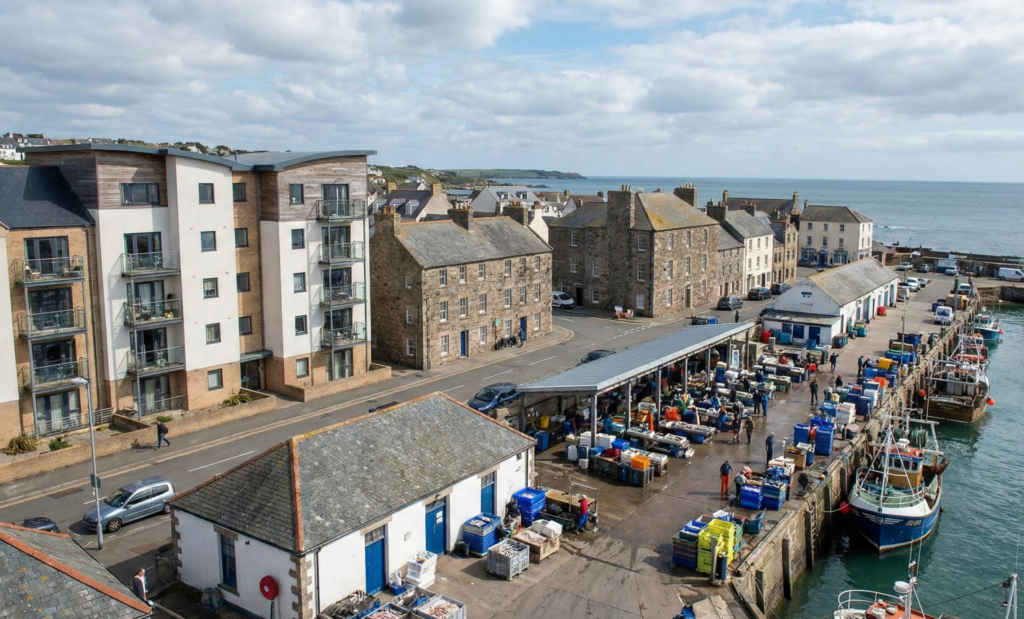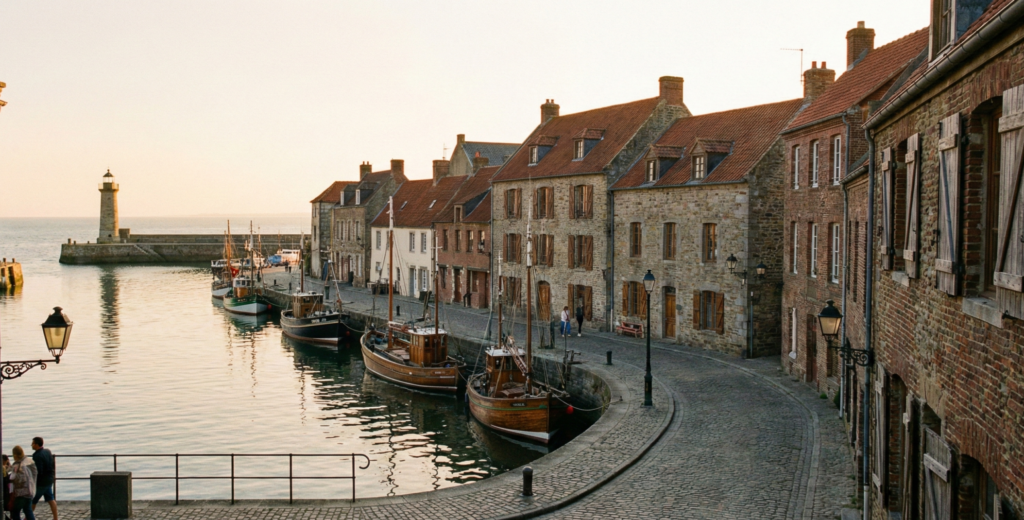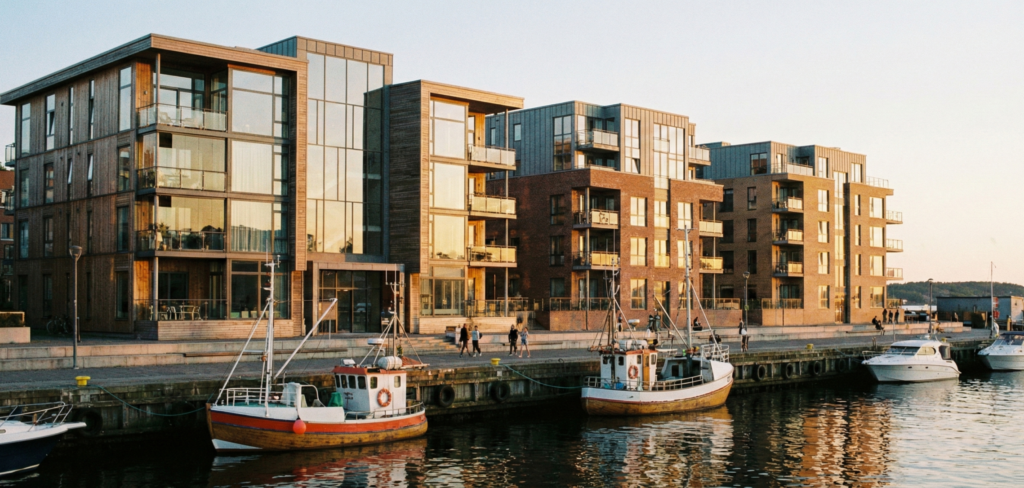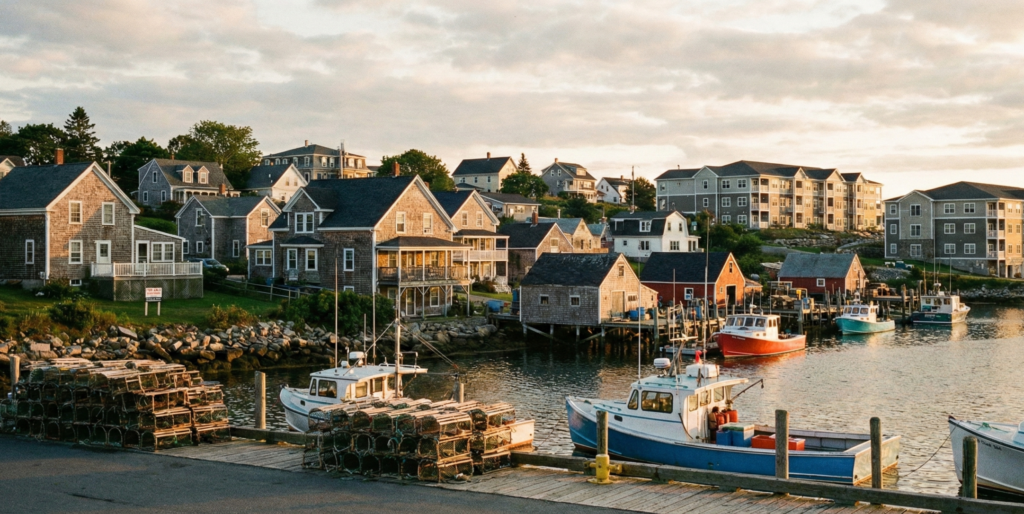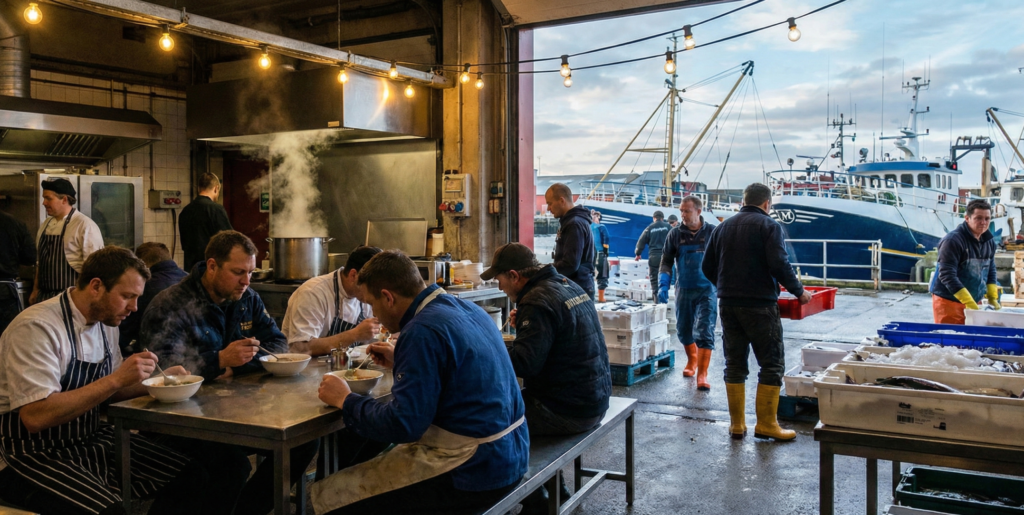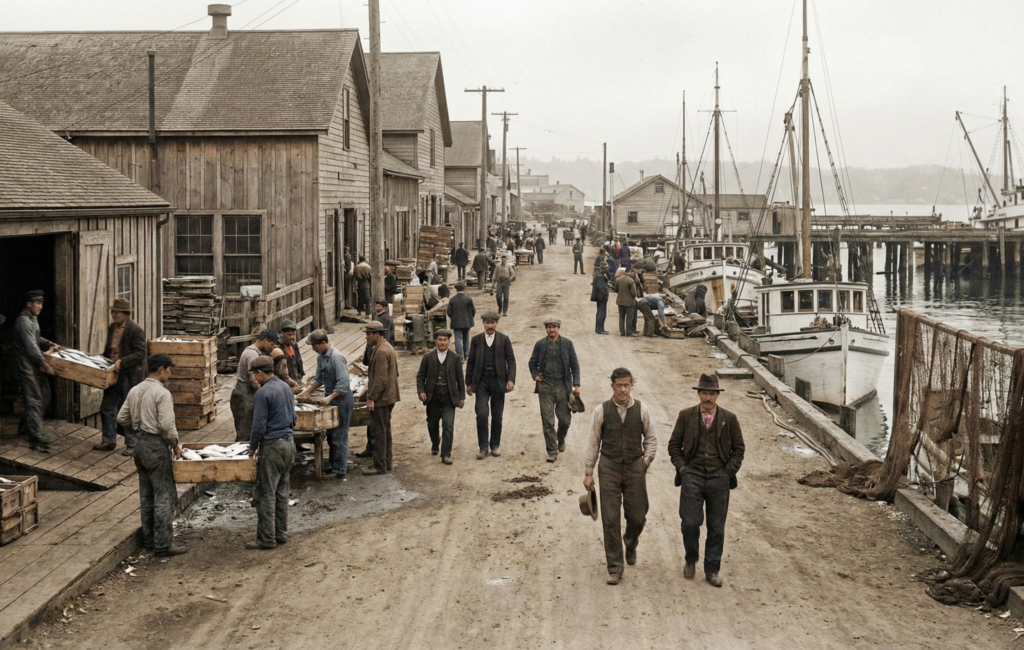
Immigrant fishing communities have played a pivotal role in shaping the cultural, economic, and social fabric of American cities for centuries. From the earliest European settlers to waves of migration in the nineteenth and twentieth centuries, fishermen from diverse backgrounds established themselves in coastal urban centers, transforming these locations into vibrant cultural hubs. These communities not only sustained themselves through maritime labor but also contributed significantly to the development of American urban infrastructure and identity.
The establishment of fishing communities in American cities was driven by economic necessity and opportunity. Immigrants recognized the abundant marine resources available in coastal areas and leveraged their ancestral knowledge of fishing practices to create sustainable livelihoods. Italian, Irish, Portuguese, Japanese, and Chinese fishing communities, among others, settled in cities such as San Francisco, Boston, New York, and New Orleans, each bringing unique traditions and expertise that enriched the urban landscape.
Cultural Legacy and Urban Development
The influence of immigrant fishing communities extends far beyond economic contributions. These groups established distinctive neighborhoods characterized by:
- Authentic restaurants and food markets featuring traditional seafood preparations
- Religious institutions that served as community anchors and cultural preservationists
- Family-based business enterprises that employed multiple generations
- Unique architectural styles reflecting their countries of origin
- Festivals and celebrations maintaining cultural traditions in urban settings
Neighborhoods like Fisherman’s Wharf in San Francisco, the North End in Boston, and Chinatown in New York developed directly from the settlement patterns of immigrant fishing communities. These areas became destinations for tourists and residents alike, demonstrating how immigrant entrepreneurship and cultural pride transformed urban waterfront areas into economically valuable and culturally significant zones.
Economic Contributions and Maritime Industries
The economic impact of immigrant fishing communities cannot be overstated. These communities established the foundational infrastructure for American maritime commerce and trade. They developed sophisticated fishing fleets, created processing and distribution networks, and established markets that supplied fresh seafood to growing urban populations.
Immigrant fishermen introduced advanced fishing techniques and boat-building practices that advanced American maritime technology. Their labor-intensive work formed the backbone of the commercial fishing industry, while their entrepreneurial ventures led to the creation of related businesses including canning factories, fish markets, boat repair facilities, and merchant services. These economic activities generated employment for thousands and contributed substantially to municipal tax bases and urban growth.
Social Organization and Community Structures
Immigrant fishing communities developed sophisticated social organizations that addressed both practical and cultural needs. Fishing cooperatives, mutual aid societies, and professional associations provided members with:
- Financial support during economic downturns or maritime disasters
- Collective bargaining power in negotiations with merchants and distributors
- Educational opportunities for younger generations entering the profession
- Social safety nets that predated formal government assistance programs
- Mechanisms for preserving occupational knowledge and skills
These institutions reinforced community cohesion while facilitating the successful integration of subsequent immigrant waves into the broader urban environment. The organizational models developed by fishing communities influenced broader patterns of immigrant settlement and adaptation throughout American cities.
Challenges and Transformation
Despite their significant contributions, immigrant fishing communities faced considerable obstacles. Discriminatory legislation, including Chinese Exclusion Acts and various state-level restrictions on foreign fishermen, limited opportunities for certain groups. Economic pressures from industrialization and competition from larger commercial operations gradually transformed the nature of fishing work and community viability.
Environmental changes, overfishing, and regulatory frameworks also impacted traditional fishing practices. Many communities transitioned from fishing-dependent economies to diversified urban services, though fishing remained culturally significant even as economic reliance decreased. Contemporary immigrant fishing communities continue to navigate these challenges while maintaining cultural traditions and adapting to modern urban realities.
Contemporary Relevance and Preservation Efforts
Modern American cities recognize the historical importance of immigrant fishing communities and have initiated preservation efforts to maintain their cultural legacy. Museums, historical societies, and cultural organizations document the contributions of these communities through exhibits, oral histories, and educational programs.
Contemporary fishing communities, while smaller and transformed by technological and regulatory changes, continue to represent important cultural touchstones in American urban identity. Food tourism, cultural heritage initiatives, and neighborhood revitalization projects increasingly emphasize the unique characteristics of historically immigrant-dominated waterfront areas, demonstrating ongoing recognition of their significance.
Conclusion
Immigrant fishing communities have profoundly shaped American urban legacy through their economic contributions, cultural innovations, and social organizations. Their establishment in coastal cities created vibrant neighborhoods that continue to define urban character and identity. Understanding and appreciating this history provides essential context for comprehending modern American cities and recognizing the enduring influence of immigrant entrepreneurship and cultural persistence on contemporary urban development. These communities exemplify how immigrant groups transformed American cities into diverse, economically dynamic, and culturally rich metropolitan areas.