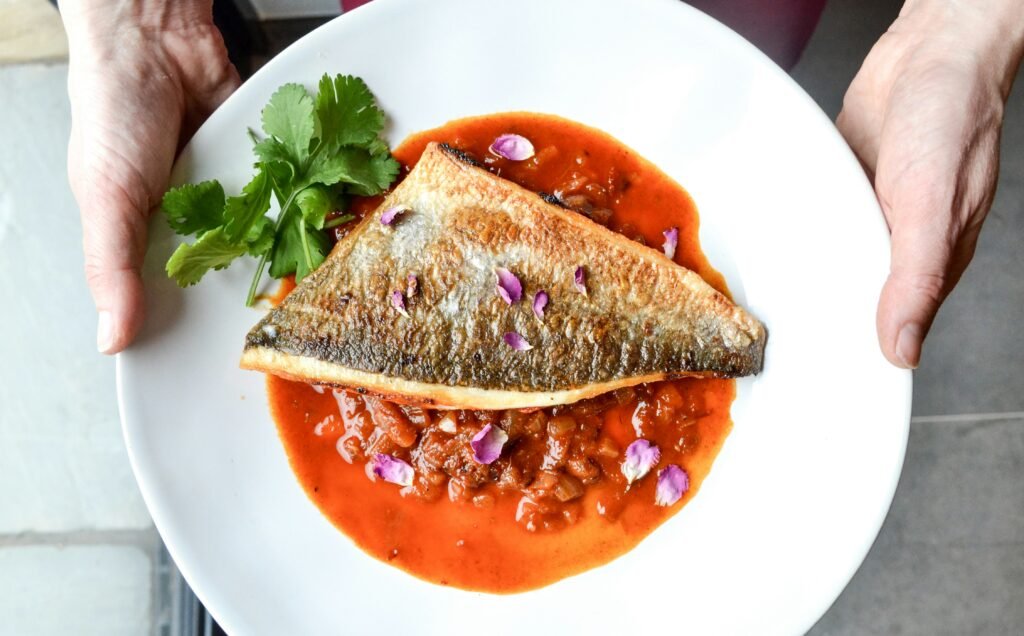
Fish can be a simple way to make meals healthier and more satisfying. It offers lean protein, helpful fats, and important vitamins for daily energy. However, choosing the right fish is not always easy for busy shoppers. Some fish taste mild, while others taste strong and oily. Some options are affordable in cans, while others cost more when fresh. That is why the best fish to eat depends on taste, nutrition, and availability. When these factors match your routine, seafood becomes easier to enjoy weekly. Nutrition matters because fish supports heart health, brain function, and recovery.
Taste matters because enjoyable food helps you stay consistent over time. Availability matters because regular access keeps your plan realistic. Fresh fish is great, but frozen and canned fish can also be excellent. Cooking style also matters, because certain fish handle heat better than others. This article explains how to choose fish that fit your needs. You will get practical tips for flavor, health, and budget planning.
Taste: Choosing Fish You Will Actually Crave
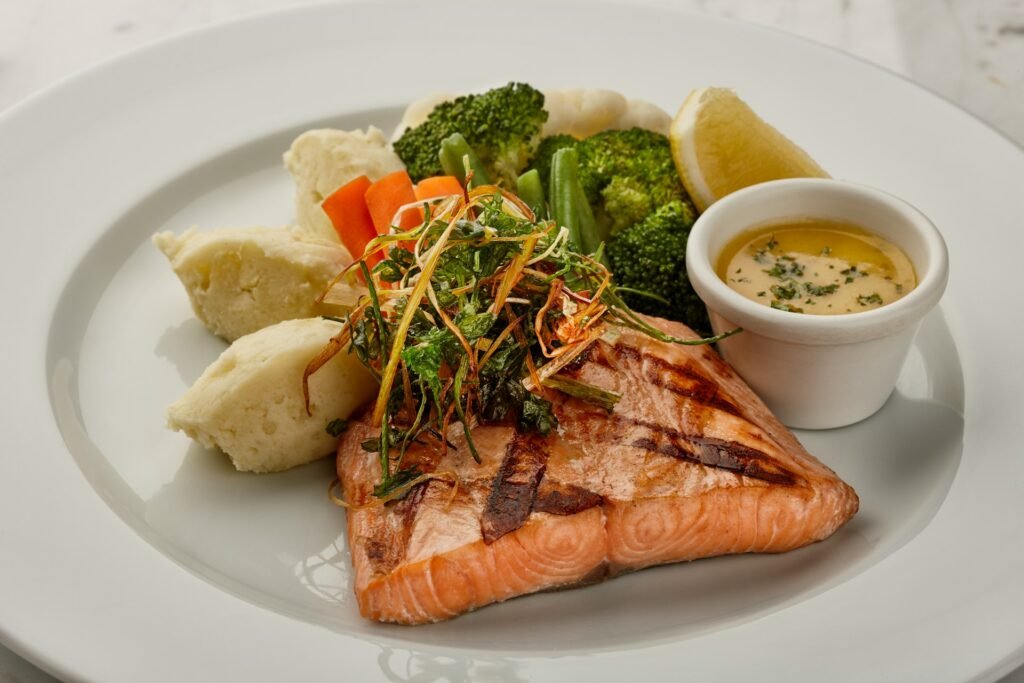
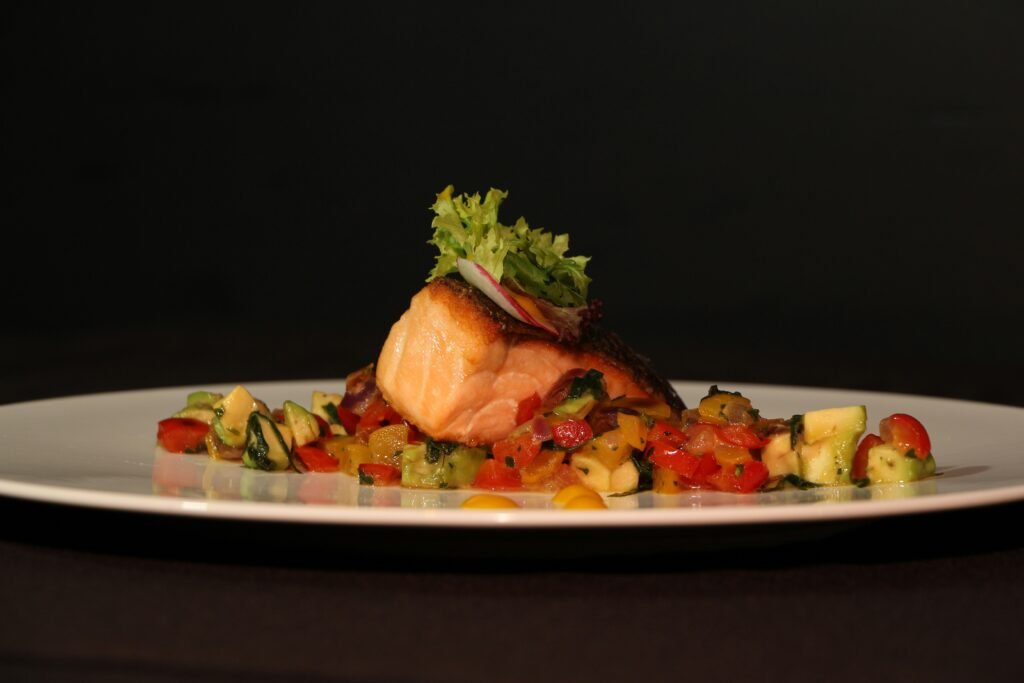
Taste is the first reason people keep seafood in their meal rotation. Salmon is rich, buttery, and popular for grilled or baked dinners. Trout tastes similar to salmon, but it is often milder. Cod has a light flavor and flaky texture that suits many seasonings. Tilapia is very mild, making it easy for beginners to enjoy. Mackerel has a stronger taste and works well with spicy marinades. Sardines are bold and salty, especially when canned in oil. Try mild fish first if you dislike fishy flavors. The best fish to eat is the one that suits your taste preferences.
Nutrition: Protein, Omega-3s, and Key Micronutrients
Fish is known for high-quality protein that supports strength and fullness. Many fish also provide omega-3 fats, which support heart and brain health. Salmon is one of the most famous omega-3 sources in seafood. Sardines and mackerel also offer strong omega-3 levels at a lower cost. Trout provides similar benefits with a softer flavor than mackerel. Cod and tilapia are lean choices with lower fat and a mild taste. Tuna is high in protein, but it should be eaten in moderation. Fish can also supply vitamin D, selenium, and vitamin B12. For balanced health, the best fish to eat includes different fish types.
Availability and Budget: Making Fish a Weekly Habit
Availability often decides whether seafood becomes frequent or occasional. Frozen fillets are easy to store and reduce waste at home. Canned fish is convenient for quick lunches and travel-friendly meals. Tilapia is affordable and widely available in many grocery stores. Cod is common in frozen form and fits many recipes easily. Sardines and tuna are inexpensive and easy to find in cans. Fresh fish can be wonderful, but it may cost more in some areas. Buying fish on sale can help you enjoy salmon more often. Choose what fits your schedule, budget, and cooking confidence.
Best Choices for Beginners and Mild Flavor Fans
If you are new to seafood, start with mild fish and simple seasonings. Cod is a great beginner fish because it tastes clean and gentle. Tilapia is also mild and cooks quickly with minimal effort. Trout can be a comfortable step toward richer fish flavors. These fish work well with lemon, garlic, pepper, and herbs. Baking is easy and keeps the texture soft and moist. Pan-searing works too, especially with a little oil and salt. Avoid overcooking, because mild fish can dry out quickly. Once you feel confident, try salmon for a richer meal. The best fish to eat for beginners is one that feels easy and familiar.
Best Choices for Omega-3 and Heart Health Goals
Omega-3 fats are linked to heart support and healthier inflammation levels. Salmon is an excellent pick for omega-3 intake and great flavor. Mackerel is another strong choice, especially for bold seafood lovers. Sardines are small, affordable, and rich in omega-3 fats. Trout provides omega-3 benefits with a milder taste than mackerel. These fish also provide protein that supports muscle recovery and satiety. They contain B vitamins that help energy production and metabolism. Try grilling or baking to keep meals lighter and simpler. Add vegetables and grains for a balanced plate. For wellness-focused diets, the best fish to eat is often omega-3-rich seafood.
Smart Cooking Tips for Better Taste and Texture
Cooking fish well makes it easier to enjoy seafood regularly. Start with dry fillets, because moisture prevents good browning. Use salt and pepper, then add lemon or herbs for brightness. Bake salmon or trout for an easy, forgiving cooking method. Pan-sear cod or tilapia for a quick meal with crisp edges. For canned sardines, use them in salads, toast, or rice bowls. Avoid high heat for too long, because fish can dry out fast. Use a thermometer if you prefer precision and consistent results. Frozen fish should be thawed safely in the refrigerator overnight. Simple cooking methods make healthy fish meals feel effortless.
Conclusion: Create a Fish Routine That Fits Your Life
There is no single perfect fish that works for every person. The right choice depends on taste, nutrition goals, and what is available locally. Salmon and trout offer rich flavor and strong nutrient benefits. Cod and tilapia are mild and easy for quick weeknight cooking. Sardines and mackerel provide omega-3 fats at a lower cost. Tuna is convenient and protein-rich, but moderation is a good strategy. Frozen and canned fish make seafood easier to keep on hand. Rotate different fish types to improve variety and avoid boredom. Focus on consistency, not perfection, when building a seafood habit. With smart choices, fish can become a reliable part of your diet.
Photo by Bryony Elena on Unsplash