The allure of coastal living has captivated homeowners and professionals for generations, offering a unique blend of natural beauty, recreational opportunities, and distinctive lifestyle benefits. As we approach 2026, the demand for seafood towns continues to surge, driven by an increasing desire to escape urban congestion and embrace a more relaxed, ocean-centered existence. These charming communities not only provide direct access to pristine beaches and maritime resources but also foster tight-knit social networks and thriving local economies centered around the seafood industry.
What Makes a Seafood Town Exceptional
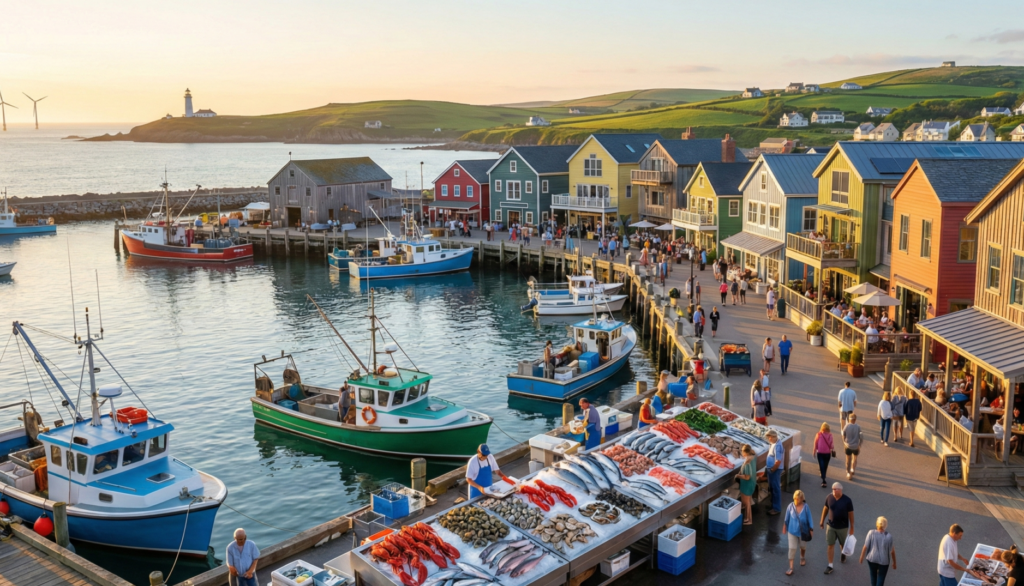
Exceptional seafood towns share several defining characteristics that set them apart as premier coastal destinations. These communities typically feature well-established fishing industries, fresh-caught seafood markets, and acclaimed waterfront restaurants that showcase local catches. Beyond culinary excellence, the finest seafood towns boast robust maritime heritage, sustainable fishing practices, and strong community commitment to environmental stewardship. Additionally, these towns often offer affordable housing compared to major urban centers, excellent schools, quality healthcare facilities, and recreational amenities that cater to diverse lifestyles.
Key Features to Consider
- Fresh Seafood Availability: Direct access to daily-caught fish, shellfish, and other marine delicacies at competitive prices
- Community Culture: Established traditions, festivals, and events celebrating maritime heritage and local fishing communities
- Economic Stability: Diversified local economy with tourism, fishing, and increasingly remote work opportunities
- Environmental Quality: Clean waters, healthy marine ecosystems, and commitment to sustainable fishing practices
- Infrastructure Development: Modern amenities, reliable utilities, broadband connectivity, and accessible transportation
- Recreation and Lifestyle: Abundant water sports, hiking trails, cultural attractions, and outdoor activities
Northeast Coastal Gems
Portland, Maine
Portland, Maine stands as one of America’s premier seafood destinations, renowned for its world-class lobster industry and vibrant culinary scene. This historic port city combines New England charm with contemporary sophistication, offering residents exceptional access to fresh seafood while maintaining a thriving arts and culture community. The city’s working waterfront continues to support active fishing operations, ensuring consistent availability of premium lobster, haddock, and sea urchins.
Beyond seafood, Portland offers excellent schools, a growing tech sector supporting remote workers, and countless recreational opportunities including sailing, kayaking, and coastal hiking. The cost of living remains reasonable for a major coastal city, and the community actively celebrates its maritime heritage through festivals and educational institutions dedicated to Maine’s fishing traditions.
Gloucester, Massachusetts
As America’s oldest seaport, Gloucester embodies centuries of fishing tradition and maritime excellence. This picturesque Massachusetts town maintains one of the country’s most active fishing fleets, guaranteeing year-round access to exceptionally fresh seafood at local markets and restaurants. The tight-knit fishing community actively preserves traditional methods while embracing modern sustainable practices.
Gloucester’s appeal extends beyond seafood to include a thriving artist community, spectacular coastal scenery, and strong sense of historical identity. The town offers reasonable real estate options, particularly compared to nearby Boston, while maintaining excellent access to urban amenities and cultural institutions.
Mid-Atlantic Treasures
Chesapeake Bay Region, Maryland
The Chesapeake Bay region represents one of North America’s most productive seafood ecosystems, famous for blue crabs, oysters, and rockfish. Towns throughout this region, including Annapolis and Oxford, offer the unique advantage of accessing both bay and ocean harvests. The relatively warmer waters support extended fishing seasons and diverse species availability throughout the year.
Communities in this region typically feature historic architecture, strong cultural traditions, and thriving waterfront communities. Many towns offer more affordable housing than northeastern counterparts while providing excellent educational institutions, healthcare facilities, and recreational opportunities centered around water activities.
Cape May, New Jersey
This Victorian-era coastal town has evolved into a premier destination for seafood enthusiasts and those seeking authentic coastal living. Cape May’s fishing fleet brings in remarkable catches daily, while the town’s restaurant scene consistently ranks among America’s best for seafood preparation and presentation. The town’s commitment to historic preservation ensures unique architectural character unavailable in most modern coastal developments.
Living in Cape May provides residents with small-town atmosphere combined with sophisticated cultural offerings, excellent tourism infrastructure, and vibrant seasonal community events. The proximity to Philadelphia and New York City makes Cape May attractive for professionals maintaining urban connections.
Southeast Coastal Living
Beaufort, North Carolina
Beaufort represents an excellent option for those seeking warmer coastal living without sacrificing authentic seafood town character. This historic North Carolina port maintains active commercial fishing operations while offering more affordable living costs than northern coastal communities. The town’s genuine maritime heritage, preserved downtown architecture, and strong community spirit create an inviting environment for newcomers.
The surrounding Crystal Coast region provides diverse recreational opportunities, from kayaking through pristine waterways to exploring barrier islands. Beaufort’s growing reputation attracts entrepreneurs and remote workers seeking affordable coastal living with reliable broadband infrastructure and lower operating costs.
Apalachicola, Florida
Located on Florida’s Panhandle, Apalachicola serves as the oyster capital of the American Southeast, with the region’s waters producing some of the nation’s most prized oysters. The town’s small size and authentic fishing character have largely resisted over-commercialization, preserving a genuine working waterfront experience. Fresh Gulf seafood, including grouper, snapper, and shrimp, complements the renowned oyster harvests.
Apalachicola offers significantly lower costs of living compared to most established coastal communities, combined with year-round warm weather and direct access to pristine beaches and natural areas. The community actively supports sustainable fishing practices and environmental conservation, appealing to ecologically-minded residents.