Pregnancy often brings many questions about food safety. Seafood is one topic many parents worry about. You may hear mixed advice from family, friends, and social media. Some people say fish is dangerous because of mercury. Others say it is essential for baby development. The truth is more balanced and reassuring. You can eat seafood while pregnant with smart choices. The goal is to choose low mercury options and safe preparation. Seafood provides protein, iodine, and important omega-3 fats. These nutrients support your baby’s brain and eyes. They also help your energy levels and overall nutrition. The best approach is to follow simple weekly limits. You should also avoid raw seafood and high mercury species. With the right plan, seafood can be a healthy food. This guide explains what is safe and what to skip.
Why Seafood Can Be Healthy During Pregnancy
Seafood can be a nutritious choice when you understand the rules. Doctors often recommend fish because it supports fetal development. Omega-3 fats like DHA help build the baby’s brain. Seafood also contains iodine, which supports thyroid health. It can be an easy source of lean protein, too. Many types are low in mercury and safe to eat often. Eating fish may also help reduce inflammation in the body. Some parents find seafood lighter than heavy meats. That can help with nausea or digestion. Still, safety depends on the fish type and amount. Choosing low-mercury fish is the most important step. Eating well-cooked seafood lowers the risk of infection. When handled properly, seafood can be part of a balanced diet.
Mercury Risks and Fish to Avoid
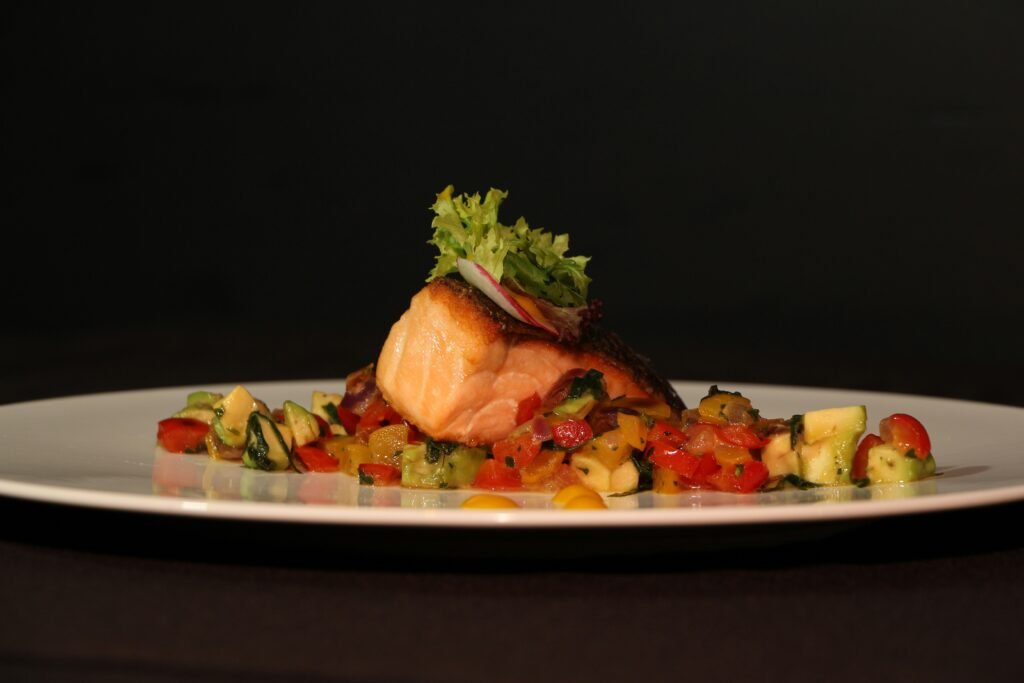
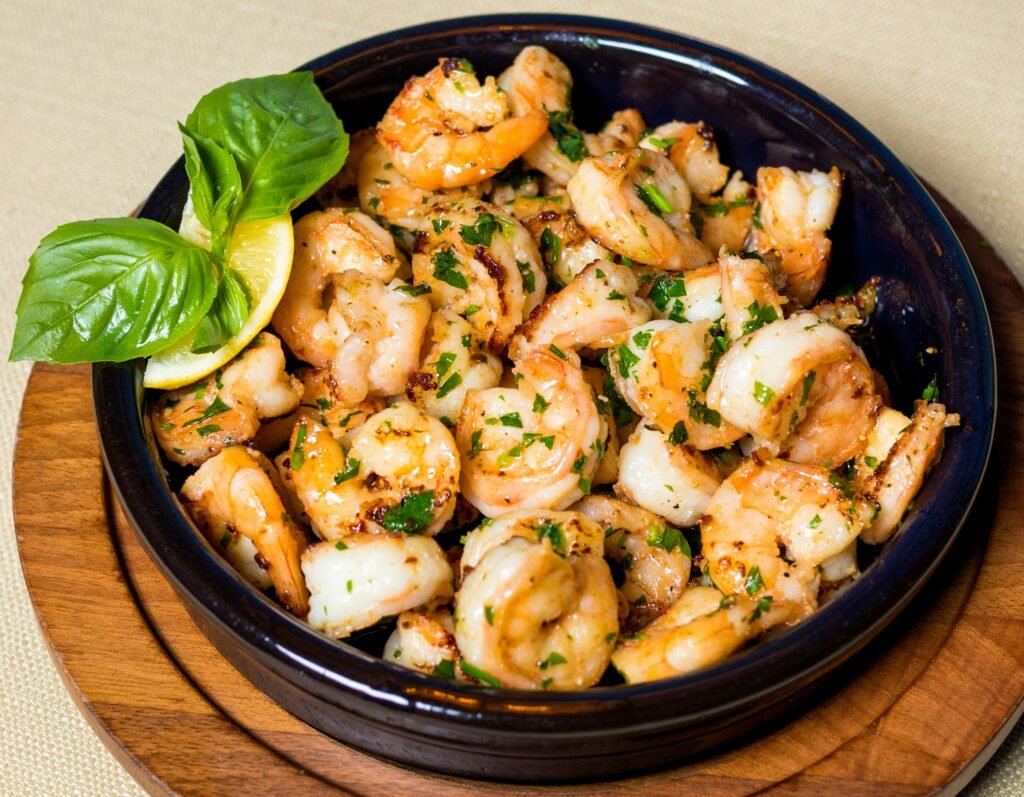
The biggest concern with seafood is mercury exposure. Mercury can affect a baby’s nervous system development. Bigger fish usually contain more mercury over time. That is why certain species should be avoided. High mercury fish include shark, swordfish, and king mackerel. Tilefish and marlin are also unsafe during pregnancy. Bigeye tuna is another fish to avoid completely. These fish may look appealing, but carry higher risks. Low mercury fish are safer and still nutritious. Salmon, sardines, and trout are excellent options. Shrimp, pollock, and cod are also good choices. Catfish and tilapia are common and easy to cook. By avoiding high mercury fish, you reduce risk significantly. This allows you to benefit from seafood’s nutrients safely.
How Much Seafood Is Safe Each Week?
Knowing the right serving amount helps you stay confident. Most guidelines suggest two to three servings weekly. That equals about eight to twelve ounces total per week. A serving is usually four ounces of cooked fish. This amount supports nutrition without too much mercury. Try to spread servings across the week for variety. Choose different low-mercury seafood types to gain nutrients. Salmon one day and shrimp another day works well. Canned light tuna can also fit into the plan. Albacore tuna should be limited due to higher mercury levels. Keep albacore to one serving per week at most. Always check labels if the tuna type is unclear. If you eat local fish, ask about safety advisories. Moderation and variety are your safest strategies.
Cooking Rules and Food Safety Tips
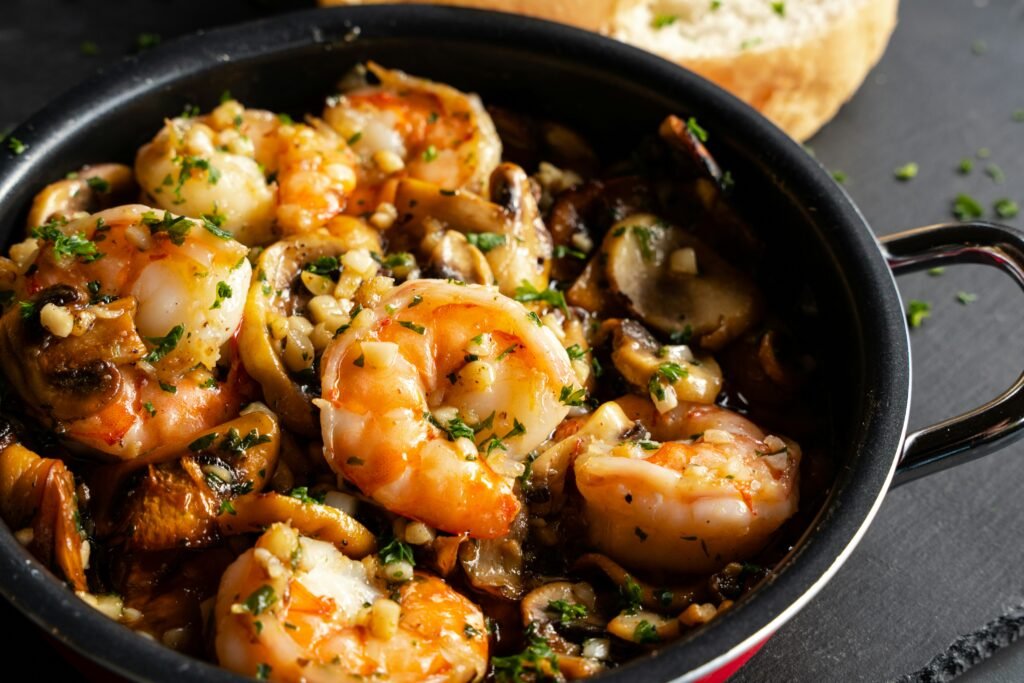
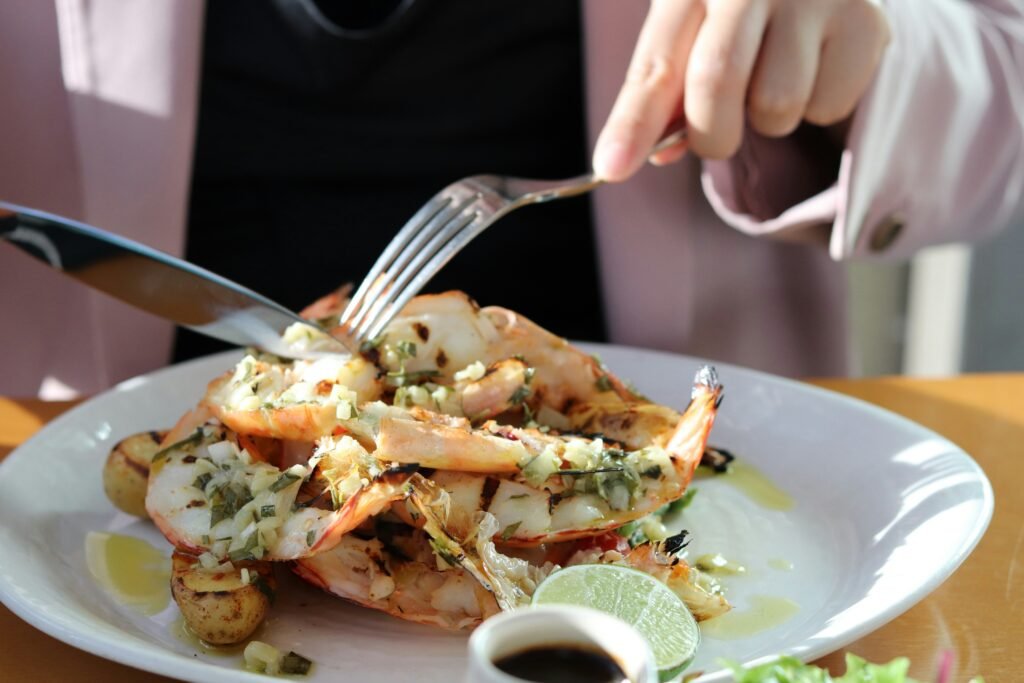
Food safety matters even more during pregnancy. Avoid raw or undercooked seafood during pregnancy. Raw sushi, oysters, and ceviche are risky options. They can carry parasites, viruses, or harmful bacteria. Smoked seafood should be heated until steaming hot. Cold-smoked fish may contain Listeria, which is dangerous. Cook fish until it flakes easily with a fork. Cook shrimp until it turns pink and firm. Clams and mussels should open during cooking. Discard any that stay closed after cooking. Avoid seafood left at room temperature for long periods. Store seafood in the refrigerator and use it quickly. Wash cutting boards and knives after touching raw fish. These steps help prevent infections and protect your baby.
How to Choose the Best Seafood During Pregnancy
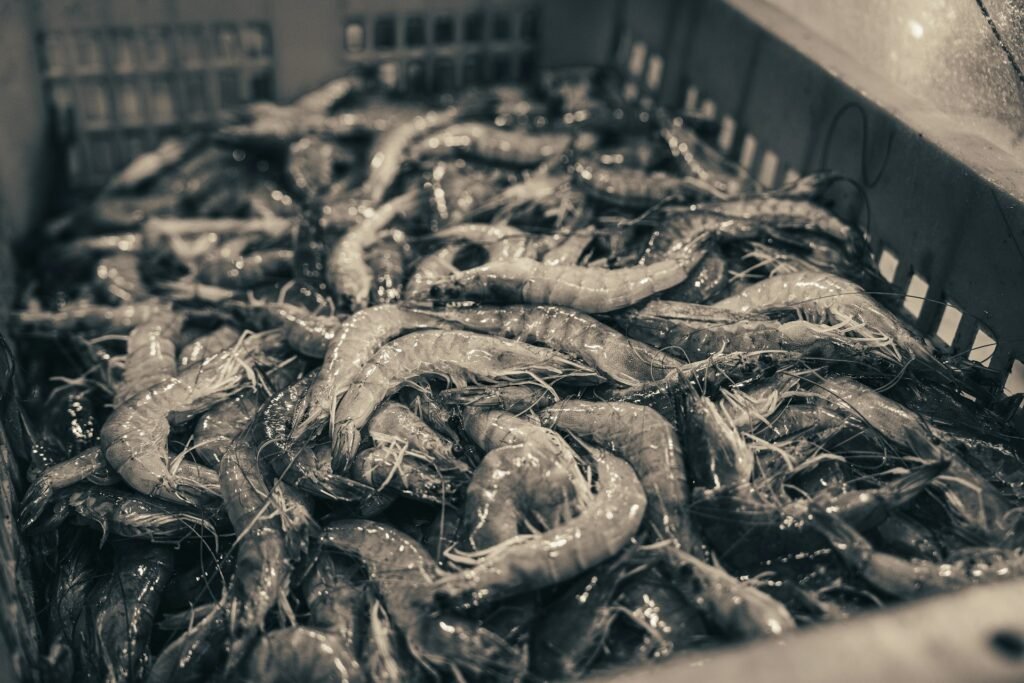
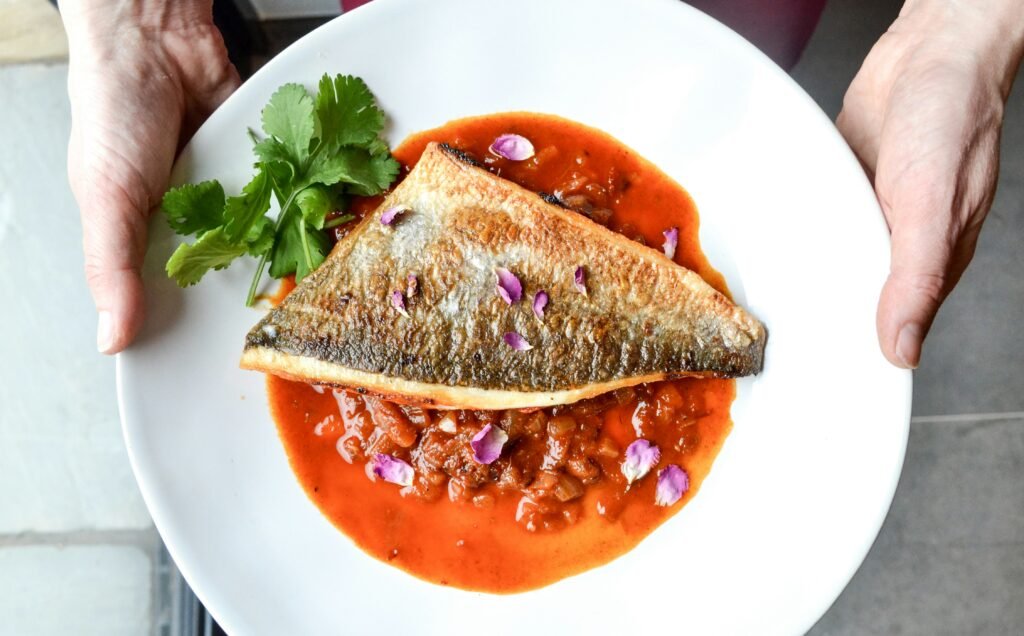
When choosing seafood, focus on quality and freshness. Buy from clean, trusted stores with cold displays. Avoid seafood with strong odors or slimy textures. Fresh fish should smell mild, not overly fishy. Frozen seafood can be a safe and affordable option. It is often frozen quickly to preserve quality. Canned seafood can also be convenient for busy days. Choose canned light tuna instead of higher mercury varieties. Look for low-sodium options if swelling is an issue. If you eat seafood outside, choose well-cooked dishes. Grilled, baked, or steamed preparations are ideal. Avoid heavily fried options too often. Fried foods can cause heartburn during pregnancy. A simple seasoning approach is often best and safer.
Benefits and Common Concerns
Many parents wonder about the benefits and potential concerns. Seafood offers nutrients that support a healthy pregnancy. It provides iron, zinc, and vitamin D in many cases. Omega-3 fats may support mood and brain health, too. Some research links fish intake with better child development. Still, the benefits depend on smart selection and portion control. If you dislike fish, try mild options like cod. Shrimp tacos or salmon patties can feel more enjoyable. You can also use fish in soups and rice bowls. If allergies exist, talk to your doctor first. Some people need extra caution with shellfish reactions. You can still meet nutrition goals with other foods. Eggs and fortified foods can help with DHA intake. A balanced plan always works best.
Final Thoughts
Seafood during pregnancy is safe when you choose low mercury types. It can be a powerful source of nutrition and energy. Focus on cooked seafood, not raw options. Aim for eight to twelve ounces each week. Avoid high mercury fish like swordfish and shark. Choose salmon, shrimp, sardines, and cod more often. Keep tuna choices smart and limited by type. Practice safe handling to prevent bacteria-related illness. Buy fresh products and cook them thoroughly every time. With these steps, you can eat confidently. Your baby can benefit from important nutrients like DHA. If you have medical concerns, ask your provider for guidance. Everyone’s pregnancy is unique and deserves personal advice. With careful choices, seafood during pregnancy can fit easily into a healthy routine.
Photo by Michael Shu on Unsplash