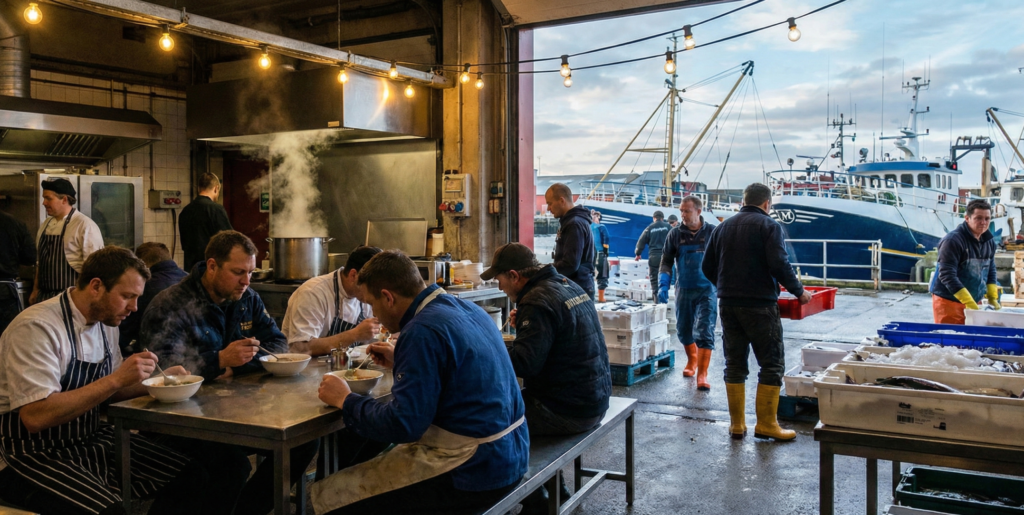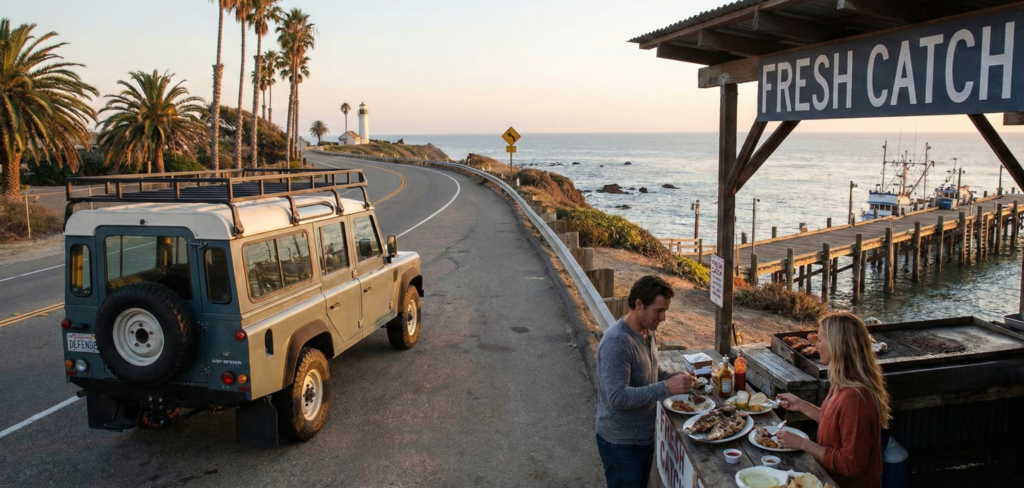
The United States boasts an extensive coastline that spans thousands of miles and encompasses some of the world’s most exceptional seafood culinary traditions. From the Atlantic seaboard to the Pacific shores, coastal regions offer distinctive gastronomic experiences rooted in local fishing heritage, regional preparation methods, and time-honored recipes passed down through generations. A coastal culinary road trip presents an unparalleled opportunity to discover authentic seafood cuisine while experiencing the diverse cultures and landscapes that define America’s maritime communities.
The Northeast Atlantic Coast: A Seafood Heritage
The northeastern United States represents one of America’s most established seafood traditions, with ports and fishing villages that have supplied fresh catch for centuries. This region demonstrates a profound commitment to quality ingredients and classic preparation techniques that emphasize the natural flavors of oceanic delicacies.
Maine: The Lobster Capital
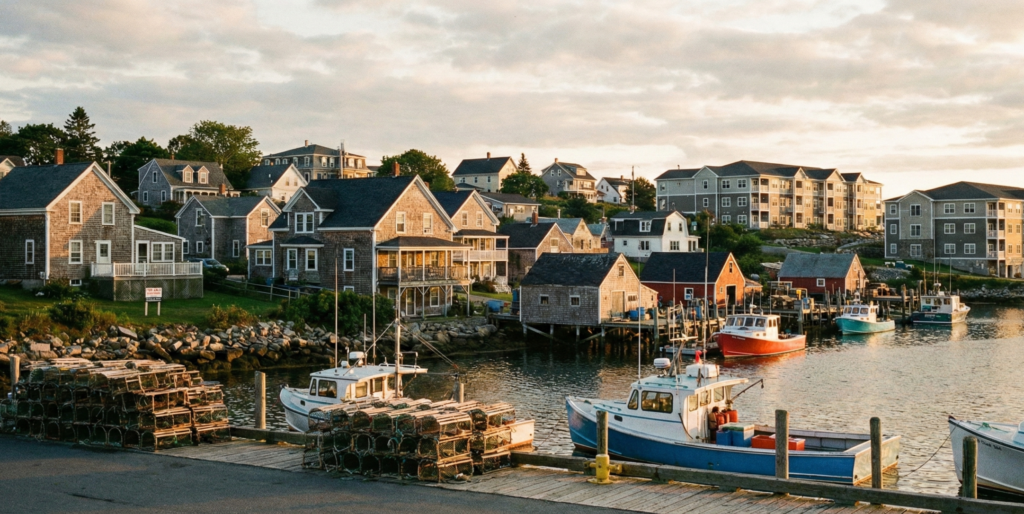
Maine stands as the quintessential destination for lobster enthusiasts seeking authentic experiences. The state produces approximately 90 percent of America’s lobster supply, making it an essential stop on any serious seafood pilgrimage. Visitors can enjoy traditional lobster rolls—available in both warm butter and cool mayonnaise preparations—at waterfront establishments throughout the state. Beyond the iconic crustacean, Maine offers exceptional clam chowder, fresh scallops, and locally-caught groundfish prepared in time-honored coastal traditions.
Massachusetts and Rhode Island: Historic Fishing Centers
Boston and Providence have maintained their status as premier seafood destinations for generations. These historic port cities feature award-winning restaurants specializing in New England clam chowder, fried clams, and grilled fish preparations. The region’s emphasis on sustainability and farm-to-table practices reflects contemporary culinary values while honoring traditional fishing methods. Visitors will discover that fresh catch changes seasonally, ensuring year-round variety and exceptional quality.
The Mid-Atlantic Region: Diverse Coastal Flavors
As travelers journey southward, the culinary landscape evolves while maintaining connections to maritime traditions. The Mid-Atlantic region introduces distinct flavor profiles influenced by colonial heritage and emerging culinary innovation.
Maryland: Crab Excellence
Maryland’s Chesapeake Bay region has earned international recognition for its exceptional blue crabs. The state’s iconic crab cakes—prepared with minimal filler and premium lump crab meat—represent a masterclass in ingredient-focused cuisine. Local establishments serve these delicacies alongside steamed crabs seasoned with Old Bay spice, creating an immersive cultural experience. The region’s commitment to Chesapeake Bay sustainability ensures that these traditions will endure for future generations.
The Southeast: Lowcountry and Gulf Traditions
Southern coastal regions blend maritime traditions with distinctive cultural influences, creating unique seafood preparations that reflect centuries of regional development. The Southeast’s approach to seafood emphasizes bold flavors, traditional cooking methods, and community-centered dining experiences.
South Carolina and Georgia: Lowcountry Cuisine
Lowcountry cooking represents a sophisticated culinary tradition that incorporates fresh seafood with locally-sourced vegetables and carefully balanced seasonings. Shrimp and grits—a cornerstone dish featuring plump Gulf shrimp served over creamy polenta—exemplifies the region’s approach to comfort cuisine elevated through quality ingredients. Visitors will encounter she-crab soup, oyster roasts, and grilled fish preparations that showcase the region’s abundant natural resources and culinary heritage.
Florida: Gulf and Atlantic Abundance
Florida’s positioning between two major oceanic bodies provides access to diverse species and regional specialties. Stone crab claws, available seasonally, command premium prices for their delicate sweetness and tender texture. Fresh grouper, snapper, and mahi-mahi appear on menus throughout the state, prepared using both traditional and contemporary techniques. Coastal communities maintain their fishing traditions while embracing culinary innovation that honors local ingredients.
The Gulf Coast: Creole and Cajun Influences
The Gulf of Mexico has nurtured distinctive culinary traditions that reflect cultural diversity and maritime abundance. These regions demonstrate how seafood preparation intersects with cultural identity and historical tradition.
Louisiana: Creole and Cajun Excellence
New Orleans and surrounding regions represent the pinnacle of Gulf seafood cuisine, where Creole and Cajun traditions have developed over centuries. Crawfish boils—communal dining experiences featuring freshwater crustaceans seasoned with spices and served with corn and potatoes—create memorable cultural immersion. Shrimp étouffée, gumbo preparations featuring fresh seafood, and oyster dishes showcase techniques that balance complex flavors while maintaining ingredient integrity. The region’s commitment to traditional preparation methods ensures authenticity while allowing for individual expression within established culinary frameworks.
The Pacific Coast: Contemporary and Traditional Excellence
Western coastal regions have developed distinctive seafood traditions influenced by Asian culinary practices, indigenous preparations, and contemporary gastronomic innovation. The Pacific provides access to species unavailable in eastern waters, creating unique opportunities for culinary exploration.
California: Diversity and Innovation
California’s extensive coastline supports diverse fishing industries and progressive culinary establishments. Fresh swordfish, halibut, and Dungeness crab represent local specialties, while the state’s Asian communities have established authentic preparations that emphasize ingredient quality and traditional techniques. Coastal restaurants increasingly emphasize sustainable sourcing and seasonal availability, reflecting contemporary values while honoring maritime traditions.
Pacific Northwest: Salmon and Sustainable Practices
The Pacific Northwest has earned international recognition for its exceptional salmon, with multiple species available seasonally. Local preparations often emphasize simplicity, allowing natural flavors to predominate. Smoked salmon, grilled preparations, and traditional Native American cooking methods demonstrate the region’s deep connection to marine resources. The area’s commitment to sustainable fishing practices ensures long-term environmental stewardship while maintaining cultural traditions.
Planning Your Coastal Culinary Journey
A successful coastal seafood road trip requires strategic planning that considers seasonal availability, travel distance, and specific culinary interests.