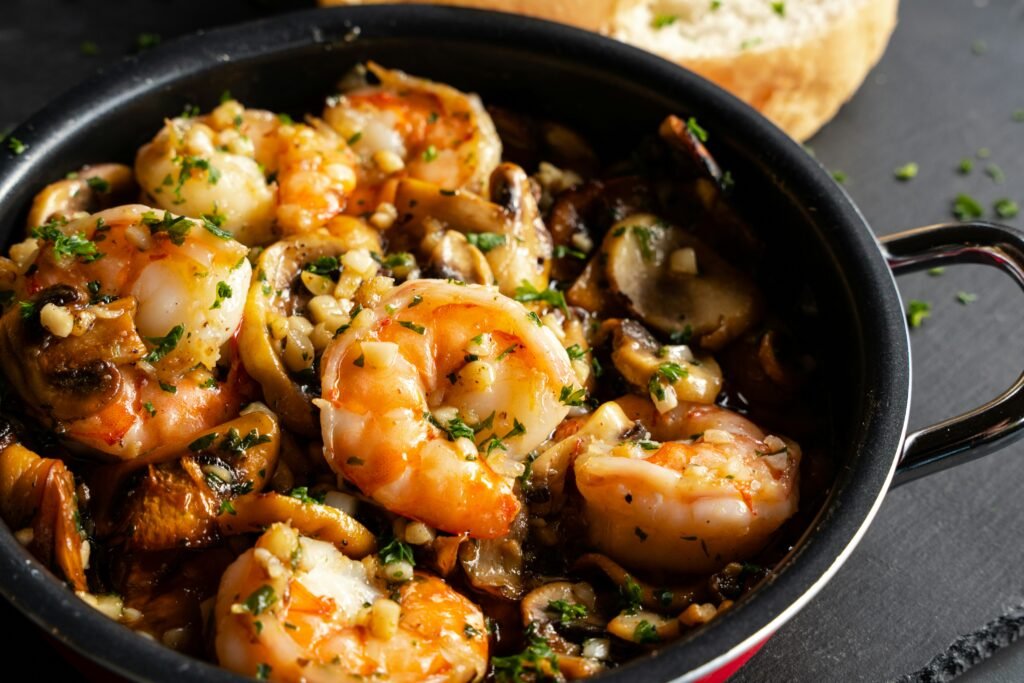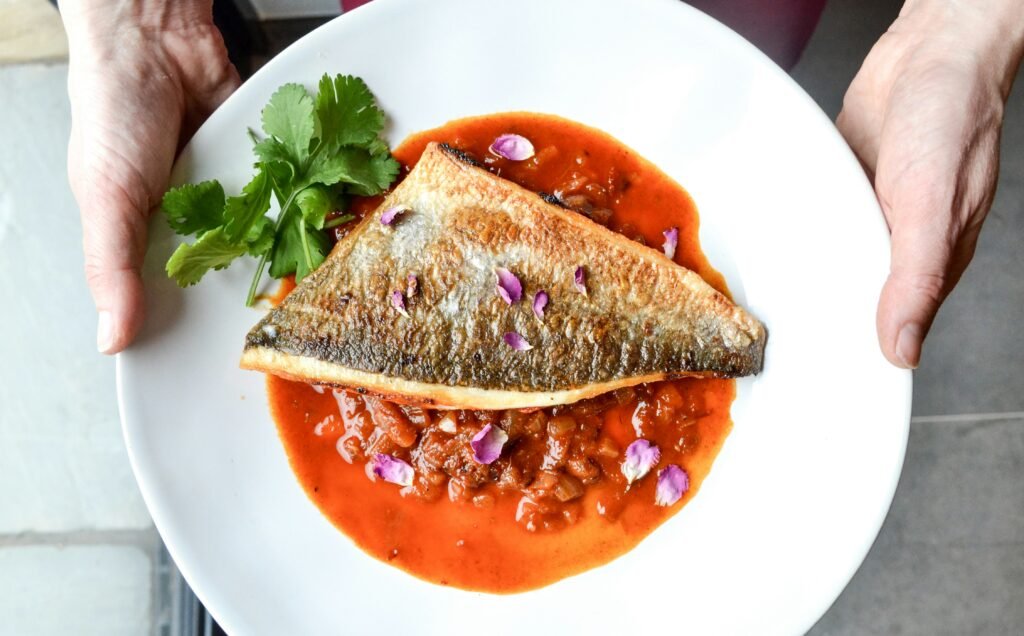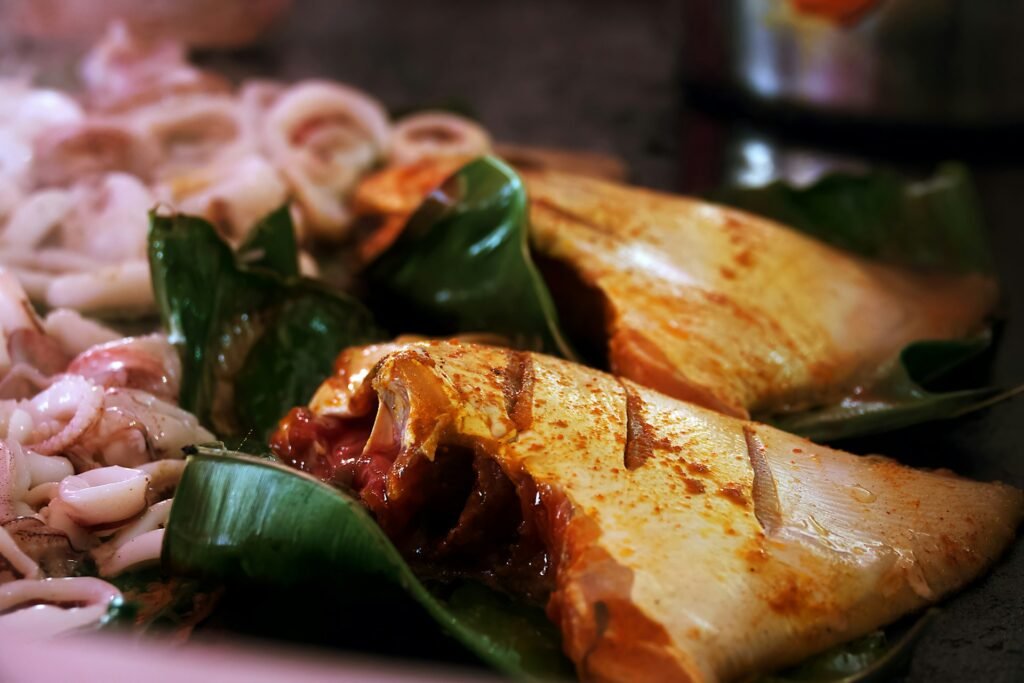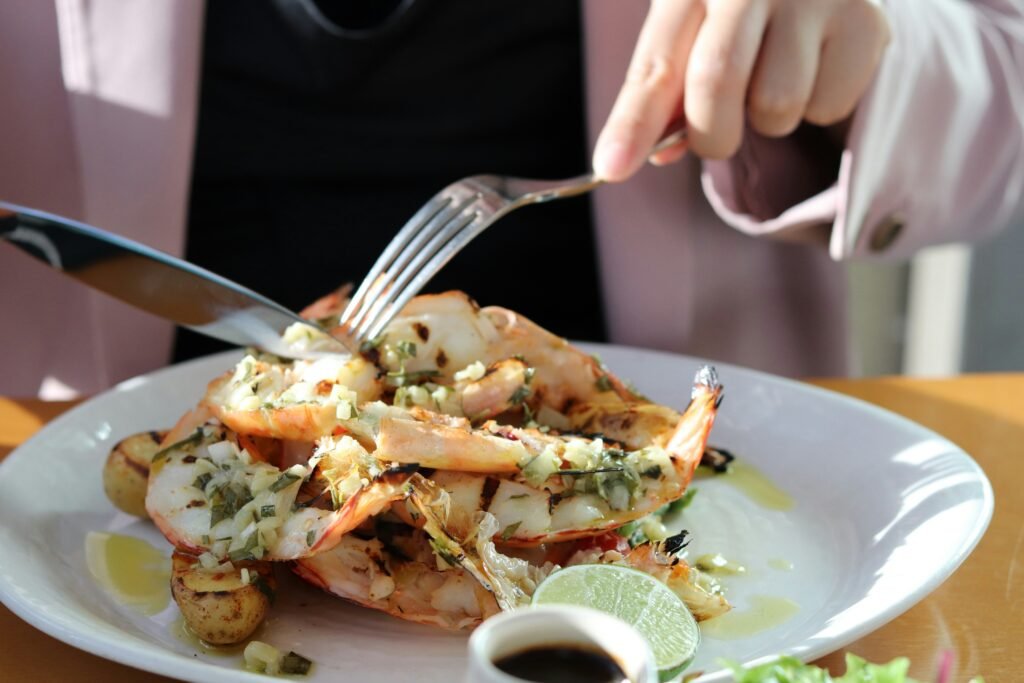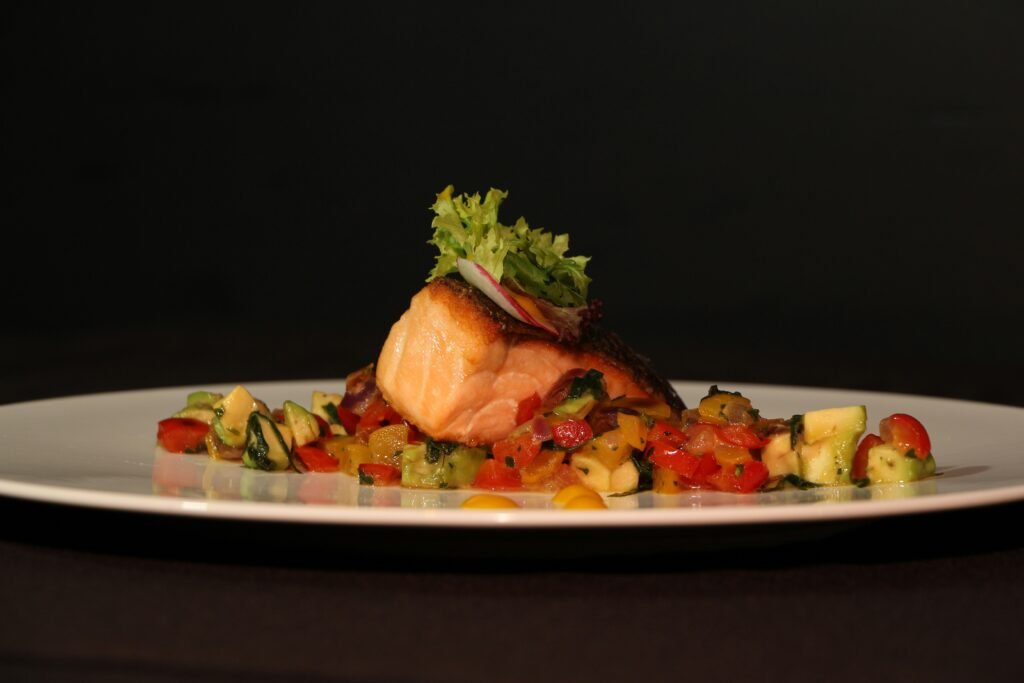
Seafood can taste incredible with simple methods and fresh ingredients. Yet it can also turn dry, rubbery, or bland quickly. That is why seafood deserves extra care in every kitchen. Many people follow good recipes but still get disappointing results. Small timing errors can ruin delicate fish and shellfish. Heat control also matters more than with many meats. Seafood proteins tighten fast and lose moisture easily. Some cuts need gentle cooking, while others need a stronger sear. Even seasoning needs balance because seafood flavors are naturally light. Freshness affects taste, but technique matters just as much. The good news is that mistakes are easy to fix once you notice them. This guide explains common seafood problems and how to avoid them. You will learn practical steps for better texture and richer flavor. With a few adjustments, your seafood can taste restaurant-quality at home.
Cooking Mistakes: Overcooking Fish Until It Turns Dry
Overcooking is one of the most common seafood problems. Fish cooks faster than chicken or beef. Even a few extra minutes can destroy its texture. Many people wait for fish to look fully firm. By then, it is often too late. A better sign is gentle flaking with a fork. The center should look slightly opaque and moist. Carryover heat will finish cooking after you remove it. Use medium heat for most fillets to stay in control. Thick pieces may need lower heat and a longer time. Thin fillets need quick cooking and careful watching. A thermometer also helps if you want accuracy. Aim for a tender finish, not a tough one.
Not Drying Seafood Before Cooking Ruins Browning
Wet seafood will not brown properly in a pan. Moisture creates steam, which blocks a good sear. This can make fish taste dull and watery. Pat fish dry with paper towels before cooking. Do the same with scallops for a golden crust. Shrimp also benefits from drying before sautéing. If you skip this step, seasoning may slide off. The surface may also break and stick to the pan. Drying helps the outer layer caramelize faster. It creates a better texture and deeper flavor. This step is simple but makes a huge difference. Use a clean towel if you prefer less paper waste. Dry seafood cooks more evenly and looks more appetizing.
Seasoning Too Late or Too Light Makes Seafood Taste Flat
Seafood needs seasoning, but timing matters. Many cooks season only after cooking is finished. That often leaves the inside bland and weak. Salt should go on before cooking for better flavor. Add salt about ten minutes before cooking for most fish. This helps the surface absorb seasoning without drying too much. Use pepper, garlic, or paprika for a gentle boost. Herbs like dill, parsley, and cilantro work well, too. Avoid heavy seasoning that hides the seafood taste. Balance is important, especially with mild white fish. For shellfish, a touch of citrus is excellent. Taste your sauces before serving to avoid dull results. Proper seasoning makes seafood shine without overpowering it.
Cooking Mistakes: Using the Wrong Heat Level for the Dish
Heat level is a major factor in seafood success. Too much heat can burn the outside quickly. The inside may stay undercooked and raw. Too little heat can make fish pale and mushy. For sautéing, use medium to medium-high heat. Thick fillets, start with medium and finish gently. For delicate fish, avoid extreme heat swings. Shrimp need quick heat to stay juicy and springy. Scallops need higher heat, but only for a short time. If your pan is not hot enough, they will steam. A good preheated pan improves color and flavor. Adjust the heat as you go, rather than guessing once. Control creates consistent results and better taste.
Cooking Mistakes: Skipping Rest Time and Cutting Too Soon
Many people serve seafood immediately after cooking. That can lead to lost juices and uneven texture. Resting gives moisture time to settle inside the fish. It also smooths out temperature differences in the fillet. Rest fish for two to three minutes before serving. Shrimp and scallops need only a brief pause. Resting is especially useful with thicker cuts like salmon. If you cut too soon, juices can run out quickly. The fish may feel drier on the plate. This is one of those cooking mistakes that feels small. However, it changes the final result a lot. Use the short rest time to plate sides and sauces. Your seafood will taste fuller and more tender.
Using Old Seafood or Storing It Poorly Creates Off-Flavors
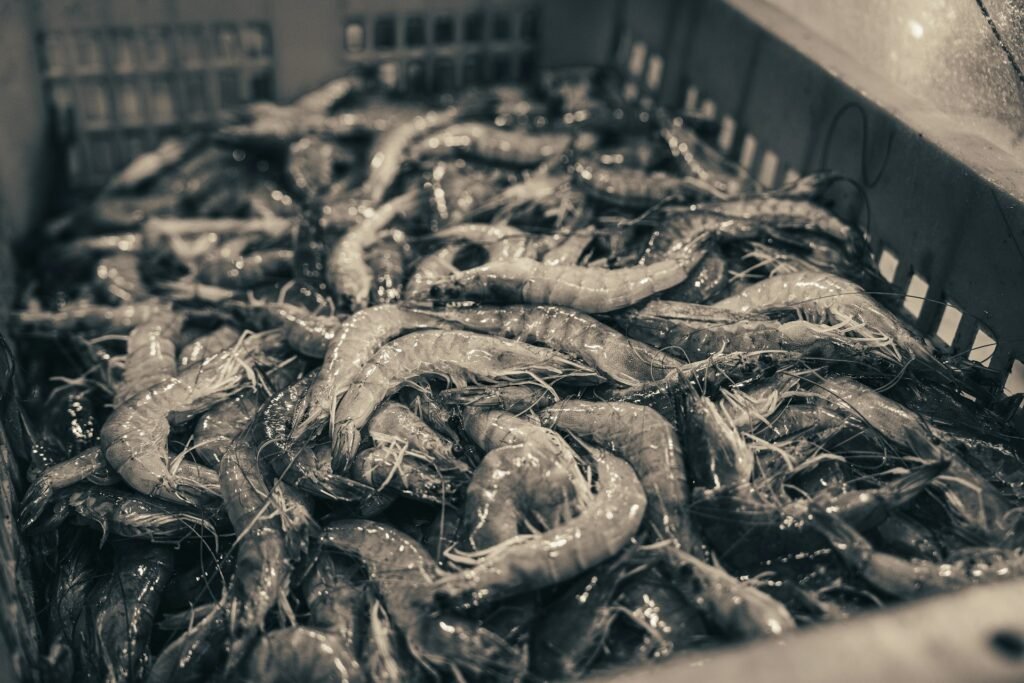
Freshness is the foundation of great seafood. Old seafood can taste sour or overly fishy. Poor storage can also create strange odors and textures. Always keep seafood cold from the store to your kitchen. Store fish on ice in the fridge if possible. Keep it covered and away from strong smells. Cook seafood within one to two days for the best results. Frozen seafood should stay frozen until ready to thaw. Thaw in the fridge overnight for safety and texture. Never thaw seafood on the counter for long periods. If it smells sharp or unpleasant, do not cook it. Fresh seafood should smell like the ocean, not ammonia. Better storage means better flavor and safer meals.
Conclusion: Simple Fixes That Make Seafood Taste Amazing
Seafood tastes best when handled with care and patience. Avoiding dryness, steaming, and bland flavor is possible. Start by drying seafood and seasoning it at the right time. Choose the correct heat level for each type of seafood. Watch the clock and remove the fish before it overcooks. Let seafood rest briefly before serving it. Focus on freshness and smart storage for clean flavor. Use gentle herbs, citrus, and light sauces to enhance taste. These habits prevent common disappointments on the plate. Most problems come from rushing or guessing too much. With practice, your results will improve quickly. Seafood can become a reliable weeknight option, not a challenge. Apply these steps and enjoy better texture, aroma, and flavor every time.
Photo by Caroline Attwood on Unsplash