Seafood has been an integral part of human culture for thousands of years, shaping diets, rituals, and celebrations across the globe. From coastal villages to bustling cities, fish and shellfish are not only a source of nutrition but also a symbol of tradition, identity, and community. Understanding cultural seafood traditions provides insight into how food connects people to their heritage, the environment, and each other.
Seafood in Asian Traditions
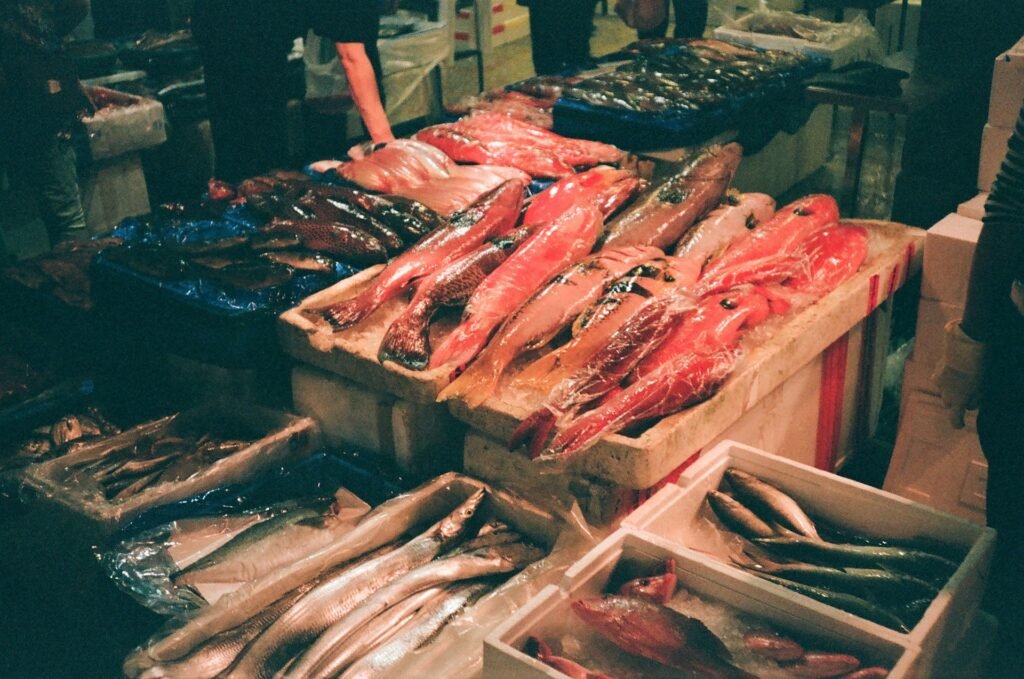
In many Asian cultures, seafood plays a central role in daily meals and ceremonial occasions. In Japan, fish like tuna and salmon are celebrated in sushi and sashimi, reflecting a long history of fishing and culinary precision. Similarly, in China, seafood is often served during Lunar New Year celebrations, symbolizing prosperity and abundance. Traditional dishes such as steamed fish or crab dumplings are prepared with careful attention to flavor, presentation, and symbolism, making seafood more than just a meal; it becomes a cultural expression.
European Seafood Customs
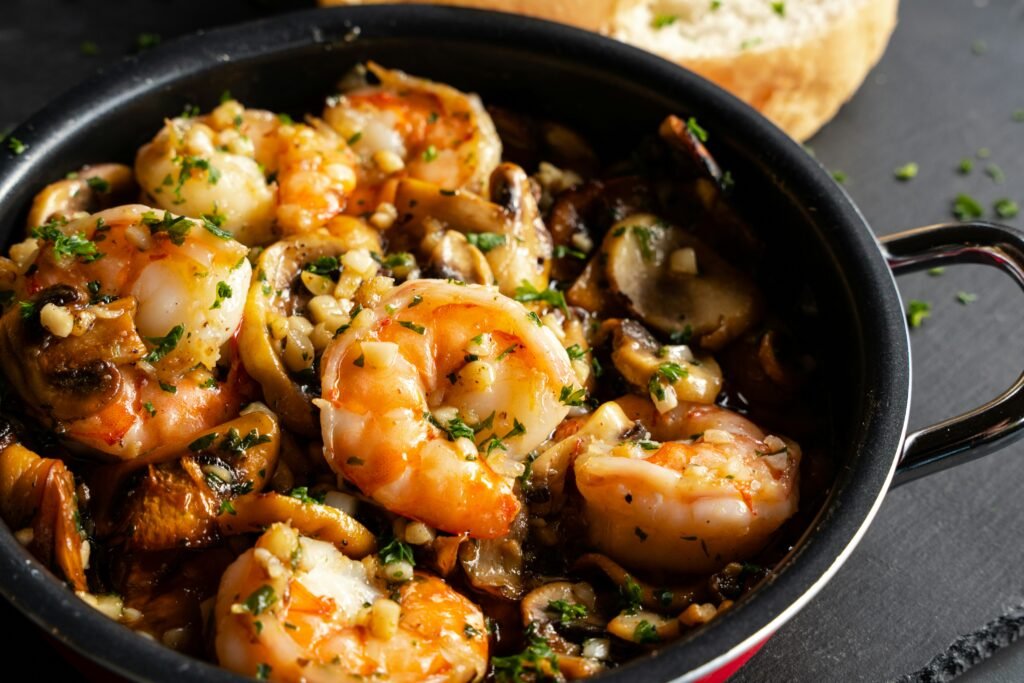
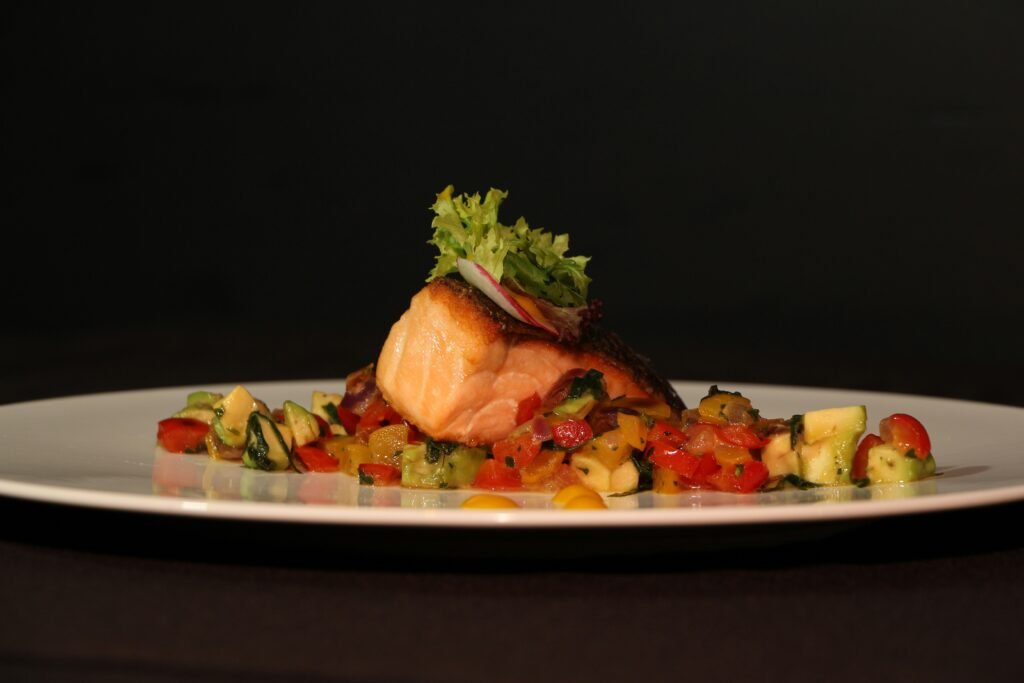
Europe has a rich history of seafood cuisine influenced by geography, trade, and religion. In Mediterranean countries like Spain, Italy, and Greece, seafood is central to coastal diets, with dishes such as paella, bouillabaisse, and grilled sardines becoming cultural icons. Scandinavian countries also have unique seafood traditions, including pickled herring and smoked salmon, which have been staples for centuries. Many European festivals and holidays incorporate seafood, showcasing its importance in cultural rituals and community gatherings.
North American Seafood Practices
In North America, seafood traditions vary widely depending on the region. Coastal areas, especially New England and the Pacific Northwest, are known for lobster boils, clam bakes, and salmon feasts. Indigenous communities have long relied on fish as a primary food source, with cultural practices tied to sustainable fishing and seasonal harvests. Today, seafood festivals across the United States celebrate these traditions, combining local cuisine, music, and storytelling to honor the maritime heritage.
African and Caribbean Seafood Cultures
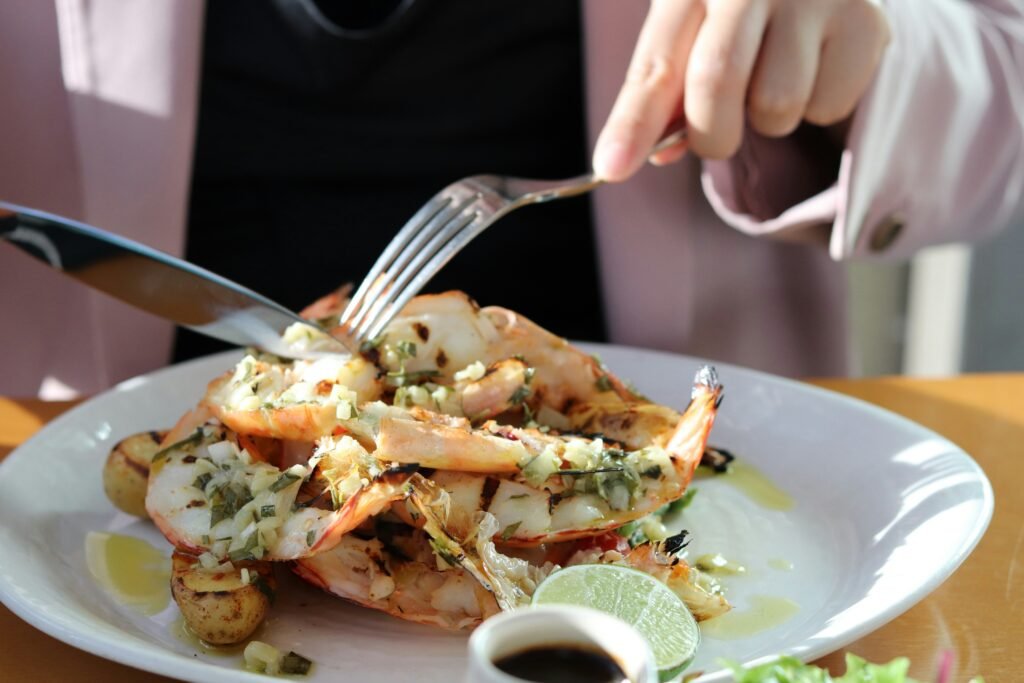
African coastal regions and Caribbean islands have vibrant seafood traditions that reflect a blend of indigenous, African, and European influences. In West Africa, fish stews and grilled tilapia are central to communal meals, often seasoned with local spices and herbs. In the Caribbean, seafood such as conch, snapper, and shrimp are celebrated in colorful dishes that are shared during festivals, beach gatherings, and family events. These traditions highlight the role of seafood in community life and cultural identity.
Seafood as a Cultural Connector
Across the world, cultural seafood traditions go beyond nutrition. They link communities to the environment, teach respect for natural resources, and create a sense of belonging. Cooking methods, recipes, and rituals are passed down through generations, preserving history and heritage. Whether it is a Japanese sushi ceremony, a Mediterranean seafood feast, or a Caribbean beach cookout, seafood plays a unique role in connecting people to culture, family, and nature.
Conclusion
Seafood is more than just a food source; it is a bridge between history, culture, and daily life. Exploring cultural seafood traditions allows us to appreciate the diversity of human experience, the creativity of culinary practices, and the importance of sustainable practices for future generations. By celebrating seafood in its many cultural forms, we gain a deeper understanding of how food nourishes both body and tradition.
Photo by Arstin Chen on Unsplash