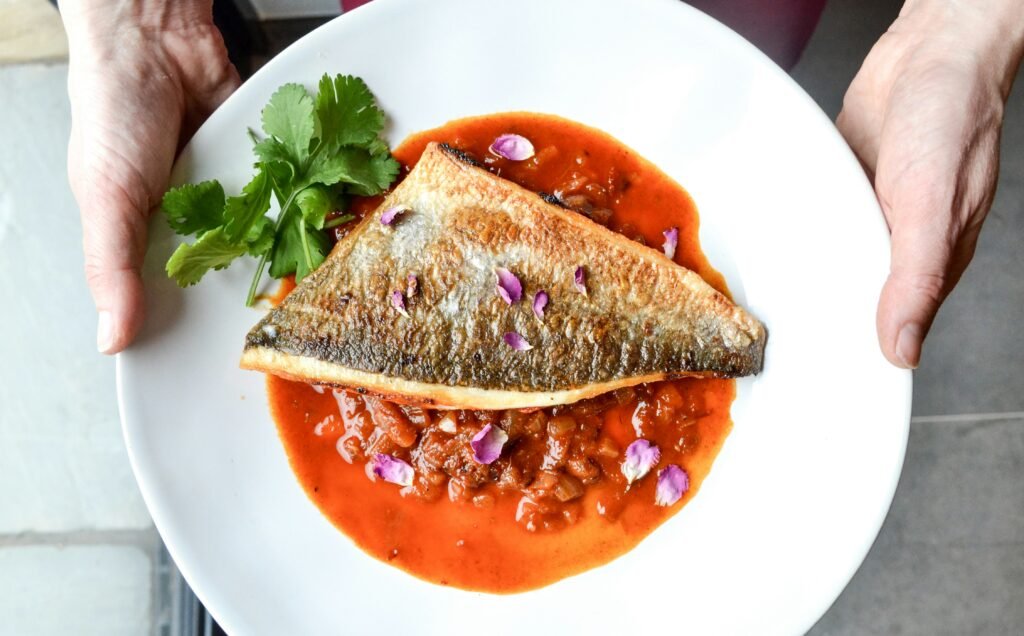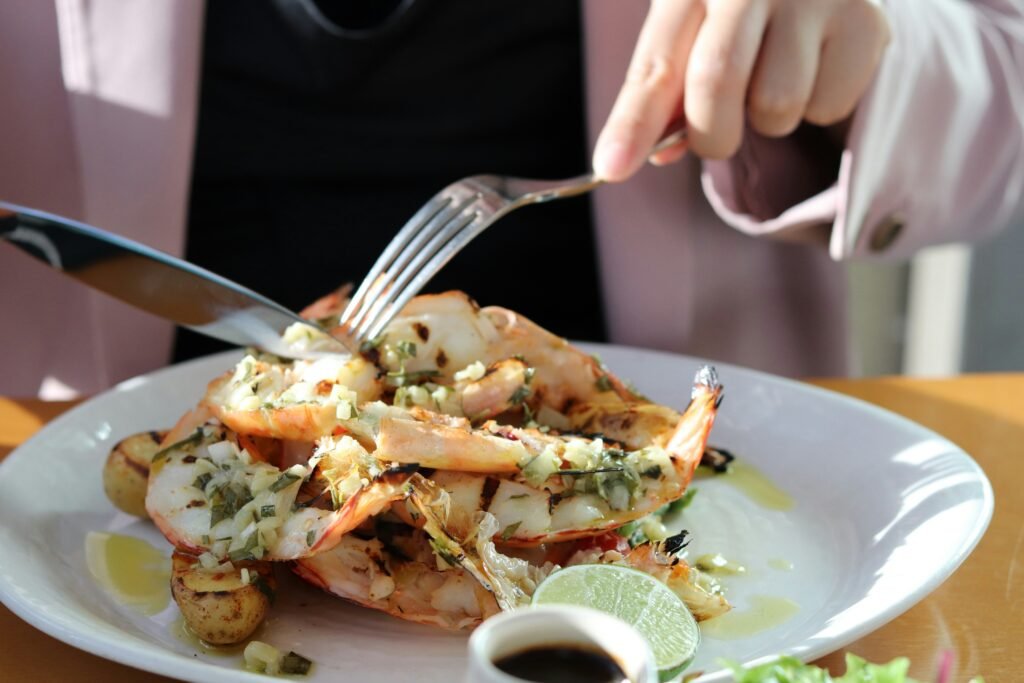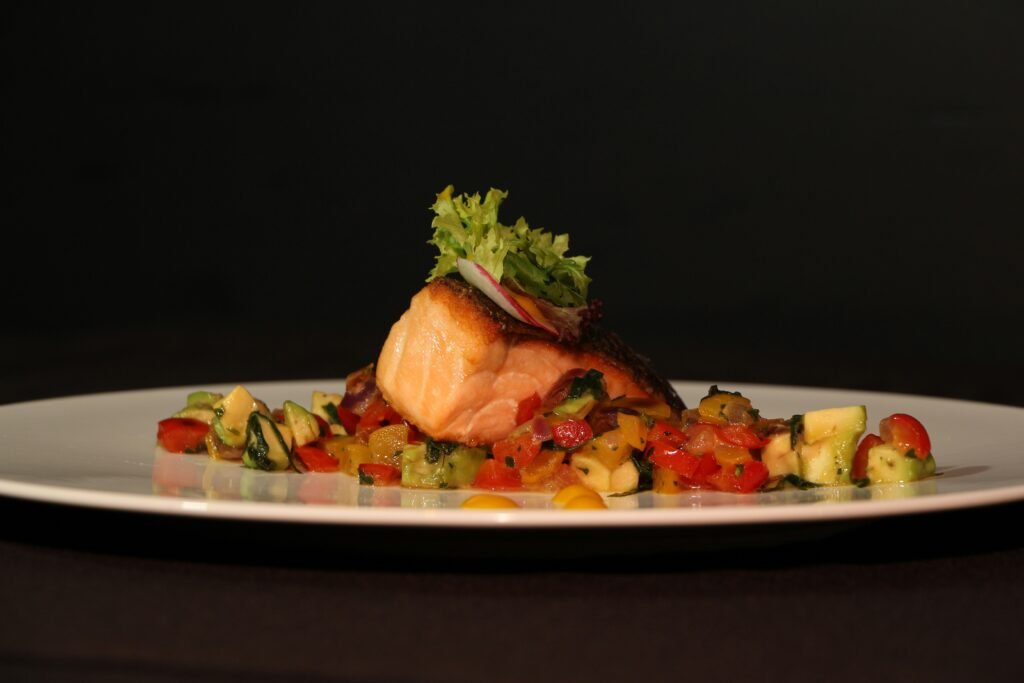
Dock-to-table dining represents a revolutionary approach to seafood consumption that prioritizes freshness, sustainability, and direct sourcing. This farm-to-table model, adapted specifically for aquatic products, eliminates unnecessary intermediaries in the supply chain, ensuring that seafood reaches consumers at peak quality and nutritional value. By bypassing traditional distribution networks, dock-to-table establishments maintain complete control over their product’s journey from water to plate.
The Journey From Ocean to Kitchen
The dock-to-table concept begins at the source—local fishing docks and aquaculture facilities. Restaurants and retailers partnering in this model work directly with fishermen and seafood producers to source their inventory. This direct relationship enables predictable supply chains and allows chefs to plan menus around what is freshly available, rather than working with pre-determined inventory.
Once caught or harvested, seafood is processed immediately and transported under optimal conditions to maintain freshness. This rapid turnaround—often occurring within hours rather than days—preserves the delicate flavors and nutritional integrity that distinguish premium seafood from mass-market alternatives.
Quality and Freshness Advantages
The primary benefit of dock-to-table dining is uncompromised freshness. Traditional seafood distribution networks can take several days to deliver products, during which quality deteriorates significantly. Dock-to-table sources eliminate this delay, resulting in:
- Enhanced flavor profiles and natural sweetness
- Improved texture and firmness
- Greater nutritional retention, including omega-3 fatty acids
- Superior visual presentation and color
- Extended shelf life due to optimal handling practices
Sustainability and Environmental Impact
This dining model inherently promotes sustainable fishing practices. By establishing direct relationships with suppliers, restaurants can verify that their seafood comes from responsibly managed fisheries. Chefs can prioritize seasonal catches and support species that are abundant, reducing pressure on overfished populations.
Additionally, shorter supply chains mean reduced transportation emissions and less packaging waste. Local sourcing supports regional fishing communities and aquaculture operations, creating economic benefits that extend throughout the supply chain while minimizing the environmental footprint associated with long-distance shipping.
Menu Flexibility and Seasonal Offerings
Dock-to-table restaurants embrace seasonal variability as a feature rather than a limitation. Menus change dynamically based on daily or weekly catches, allowing chefs to showcase the finest available products at their peak. This approach encourages culinary creativity, as chefs must innovate and adapt their offerings continuously.
Diners benefit from experiencing the authentic rhythm of seafood seasons, discovering regional species they may not encounter elsewhere, and enjoying dishes prepared with genuine enthusiasm for superior ingredients.
Consumer Transparency and Trust
Direct sourcing provides unprecedented transparency regarding seafood origin and handling. Consumers can learn about specific boats, fishing methods, and environmental practices associated with their meals. Many dock-to-table establishments proudly feature the names and stories of their supplier partners, building trust and connection between diners and the seafood industry.
This transparency also extends to quality assurance. Without intermediaries, the responsibility for freshness and safety rests clearly with identifiable parties, creating strong incentives for maintaining the highest standards.
Supporting Local Communities
Dock-to-table dining strengthens local economies by directing substantial revenue directly to fishing and aquaculture operations. This model helps sustain traditional fishing communities, supports family-owned businesses, and encourages younger generations to pursue careers in marine industries.
By choosing dock-to-table establishments, consumers actively participate in preserving regional maritime heritage and supporting the economic viability of coastal communities.
The Future of Seafood Dining
As consumers increasingly prioritize quality, sustainability, and transparency, dock-to-table dining continues to gain momentum. This model represents a return to fundamental principles—sourcing excellent ingredients and preparing them with skill and respect. The success of dock-to-table restaurants demonstrates that consumers are willing to embrace menu variability and seasonal limitations in exchange for unparalleled freshness and ethical sourcing.
Dock-to-table dining ultimately transforms the seafood experience from a simple transaction into a meaningful connection between eaters, chefs, and the communities that harvest the ocean’s bounty.