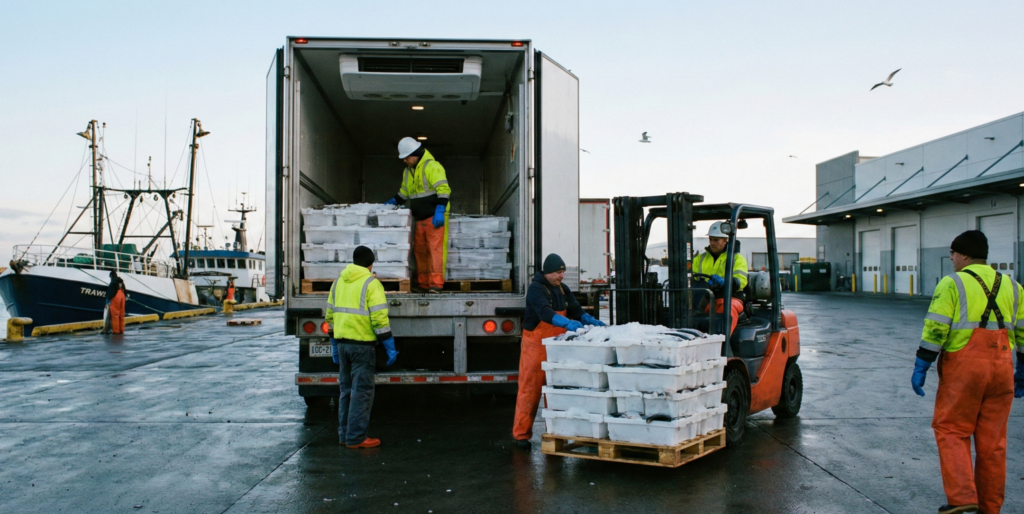
The fish supply chain represents a critical sector within the global food industry, connecting producers, processors, distributors, and retailers across continents. This complex network encompasses multiple stages, from aquaculture farms and wild-capture fisheries to processing facilities, logistics hubs, and retail outlets. The industry generates substantial economic value and provides employment opportunities for millions of professionals worldwide, making it an attractive career path for those seeking diverse and meaningful work.
As global demand for seafood continues to rise, driven by increasing population growth and changing consumer preferences toward protein-rich diets, the fish supply chain sector faces both challenges and opportunities. Professionals in this industry play essential roles in ensuring food security, maintaining quality standards, and implementing sustainable practices that protect marine resources for future generations.
Key Career Pathways in Fish Supply Chain
Aquaculture and Fish Farming
Fish farming represents one of the fastest-growing segments within the seafood industry. Careers in aquaculture include farm managers, hatchery technicians, and fish health specialists. These professionals oversee breeding programs, monitor water quality, manage feed distribution, and ensure optimal conditions for fish growth. Advanced roles may involve research and development positions focused on sustainable farming practices and innovative breeding techniques.
Harvesting and Capture Fisheries
Commercial fishing operations require skilled professionals including vessel captains, fishing crews, and catch monitors. These roles demand physical stamina, technical knowledge of fishing equipment, and understanding of marine ecosystems. Land-based positions include fishery observers, catch documentation officers, and fleet managers who coordinate operations and ensure compliance with regulations.
Processing and Manufacturing
Fish processing facilities employ quality control specialists, production supervisors, and equipment technicians. These professionals oversee cleaning, filleting, freezing, and packaging operations while maintaining strict hygiene and safety standards. Career advancement opportunities exist for those who pursue roles in process engineering, food safety management, and facility operations.
Distribution and Logistics
The movement of fish from production sites to consumers requires skilled logistics professionals. Supply chain coordinators, warehouse managers, and transportation specialists ensure timely delivery while maintaining proper temperature control and product integrity. Cold chain management specialists play a crucial role in preserving product quality throughout distribution networks.
Retail and Sales
Consumer-facing roles include seafood department managers, fish market specialists, and sales representatives. These professionals educate consumers about product varieties, sustainability practices, and preparation methods. Business development managers work to establish relationships between distributors and retailers, driving market growth and customer satisfaction.
Required Skills and Qualifications
Technical and Professional Skills
- Knowledge of fish species, nutritional profiles, and quality indicators
- Understanding of food safety regulations and compliance standards
- Proficiency in supply chain management software and systems
- Cold chain and temperature management expertise
- Water quality testing and aquaculture monitoring capabilities
- Equipment operation and maintenance skills
Educational Pathways
Entry-level positions typically require a high school diploma or equivalent, with on-the-job training provided by employers. However, professional advancement often necessitates specialized education. Relevant degree programs include aquaculture, fisheries science, food science, supply chain management, and business administration. Professional certifications in food safety management, cold chain logistics, and quality assurance enhance career prospects and demonstrate commitment to industry standards.
Soft Skills and Personal Attributes
- Attention to detail and commitment to quality assurance
- Strong communication and teamwork abilities
- Problem-solving and critical thinking skills
- Physical fitness and stamina for demanding roles
- Adaptability and willingness to work in varying conditions
- Environmental consciousness and sustainability awareness
Sustainability and Regulatory Considerations
Modern fish supply chain careers increasingly emphasize sustainability and regulatory compliance. Professionals must understand international regulations such as catch documentation schemes, environmental impact assessments, and traceability requirements. Career opportunities are expanding in sustainability roles, including environmental compliance officers, sustainability coordinators, and corporate social responsibility specialists who ensure operations meet environmental standards and consumer expectations.
Knowledge of certifications such as Marine Stewardship Council (MSC) standards and responsible aquaculture practices strengthens professional credentials. Professionals who can demonstrate commitment to sustainable fishing and farming practices position themselves as valuable assets in an industry under increasing scrutiny regarding environmental impact.
Career Growth and Advancement Opportunities
The fish supply chain industry offers clear pathways for professional advancement. Entry-level positions provide foundational experience and technical skills development. Mid-level roles involve increased responsibility in supervision, quality management, and operational coordination. Senior positions include facility directors, regional managers, and strategic planners who shape organizational direction and industry practices.
Specialized expertise in niche areas such as aquaculture innovation, international trade compliance, and digital supply chain transformation creates opportunities for premium compensation and leadership roles. Professionals who invest in continuing education and develop expertise in emerging technologies such as blockchain traceability, artificial intelligence-powered quality control, and automated systems command higher market value.
Compensation and Employment Outlook
Compensation within the fish supply chain varies significantly based on role, experience, location, and employer size. Entry-level positions typically offer competitive wages with benefits packages including health insurance and retirement contributions. Mid-career professionals in supervisory and specialized roles earn substantially higher compensation, particularly those working for major seafood companies or in high-cost regions.
The employment outlook for fish supply chain careers remains positive, driven by increasing global seafood demand and industry consolidation. Growth opportunities are particularly strong in developing nations with expanding aquaculture sectors. Technological advancement, while automating certain functions, creates demand for professionals skilled in new systems and processes, ensuring continued career opportunities for adaptable workers.
Industry Challenges and Future Directions
Professionals entering the fish supply chain must understand current industry challenges. Climate change impacts fish stocks and farming conditions, requiring adaptive management strategies.