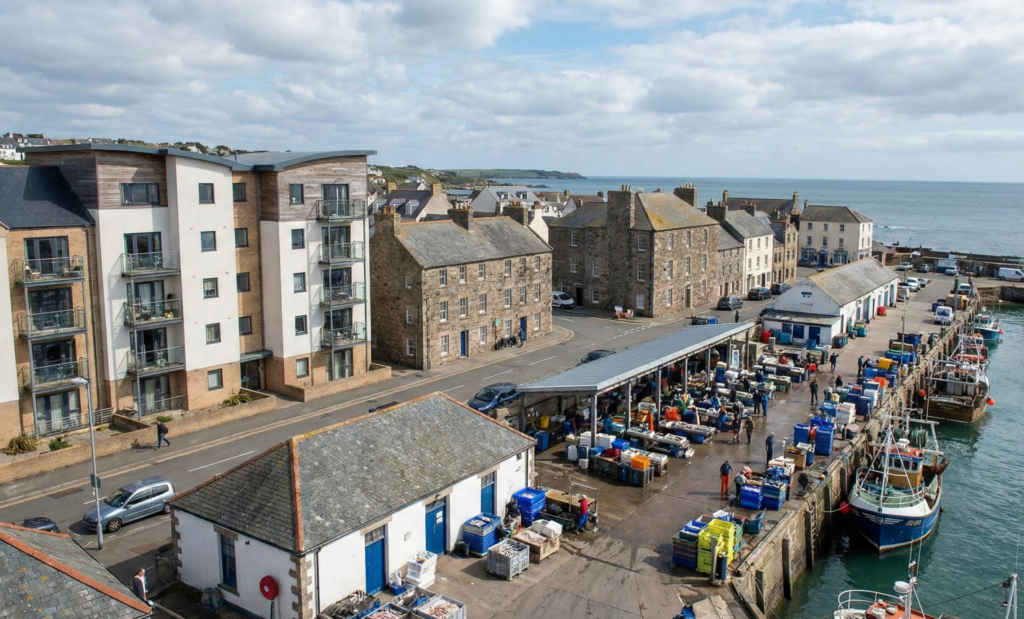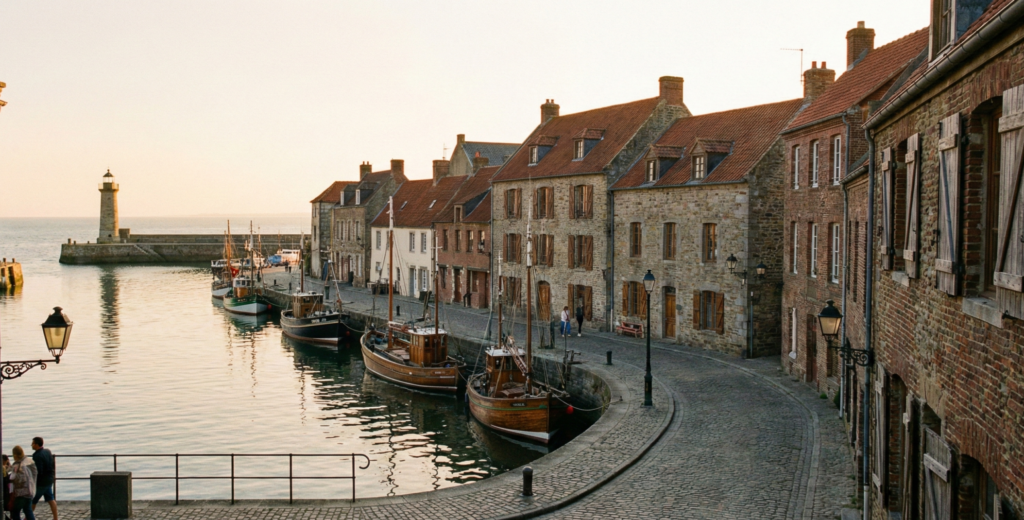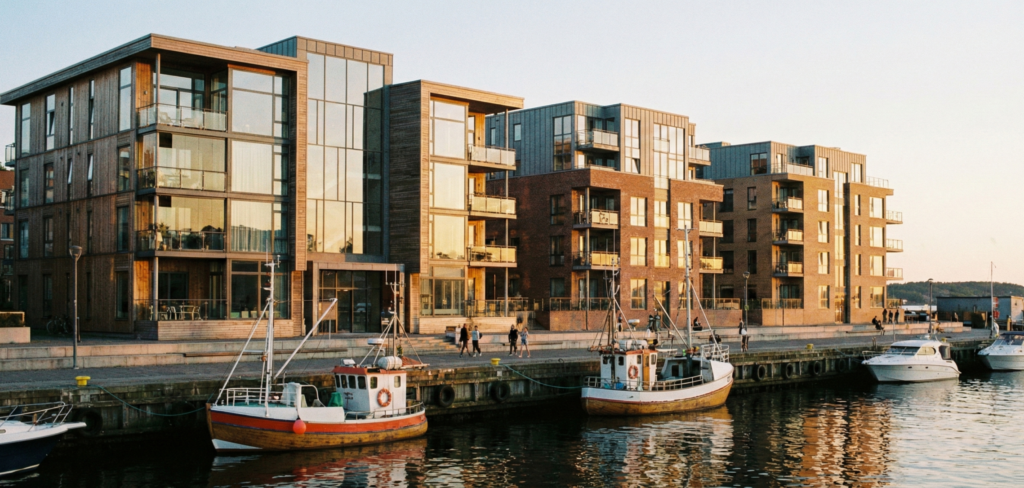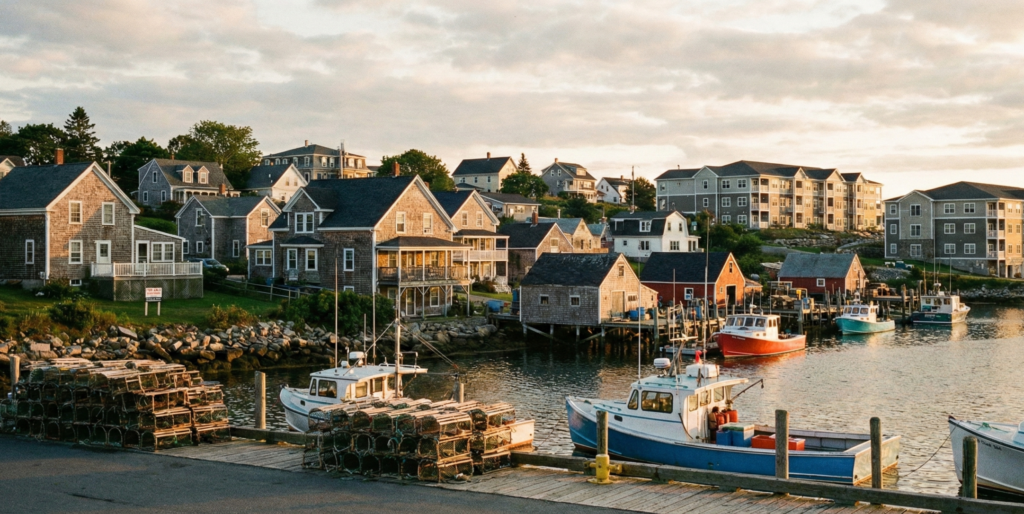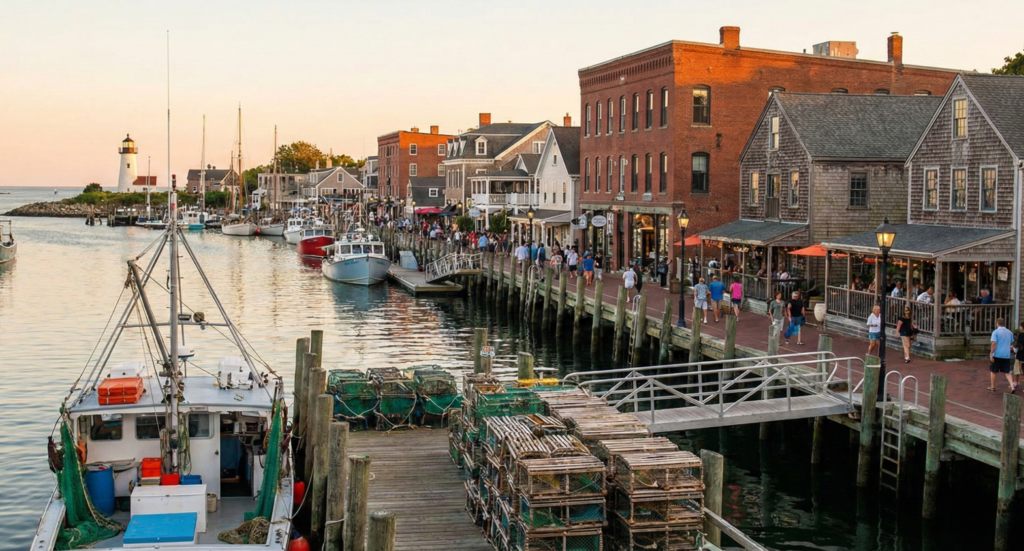
Living near the harbor presents a unique lifestyle characterized by maritime charm, scenic vistas, and vibrant community dynamics. Residents of dock-adjacent neighborhoods experience a distinctive blend of urban convenience and waterfront serenity that distinguishes these areas from traditional inland communities. Understanding the realities of harbor town living enables prospective residents to make informed decisions about relocating to these coveted locations.
Environmental Conditions and Climate Considerations
Harbor town residents must acclimate to specific environmental factors inherent to waterfront locations. Proximity to large bodies of water influences local climate patterns, often resulting in cooler temperatures, increased humidity, and salt-laden air. These conditions can affect property maintenance requirements and personal comfort levels throughout the year.
The maritime environment necessitates special attention to rust prevention and corrosion resistance. Metal fixtures, vehicles, and exterior surfaces require more frequent maintenance and specialized protective treatments. Homeowners should budget accordingly for increased upkeep and consider materials specifically engineered to withstand coastal elements.
Noise and Activity Levels
Harbor communities operate continuously with regular maritime activities. Residents should expect:
- Commercial vessel traffic and shipping operations
- Early morning loading and unloading activities
- Occasional foghorns and maritime warning signals
- Seasonal tourism influxes and recreational boat traffic
- Industrial and dock-related equipment operation
These activities contribute to the vibrancy of harbor towns but may require adjustment for those accustomed to quieter residential environments. Selecting properties with adequate sound insulation and positioning away from primary dock operations can mitigate noise concerns.
Property Values and Real Estate Dynamics
Waterfront properties typically command premium pricing due to their desirable locations and limited availability. Harbor town real estate markets demonstrate strong appreciation potential, particularly in established waterfront communities with active tourism and commerce sectors. However, potential buyers should conduct thorough market analysis and property inspections, as maintenance costs and insurance premiums often exceed those of inland properties.
Community Character and Social Atmosphere
Harbor towns foster distinctive community identities rooted in maritime heritage and seafaring traditions. Residents benefit from:
- Robust cultural events celebrating maritime history
- Access to fresh seafood markets and waterfront dining establishments
- Active recreational boating and water sports communities
- Rich local arts scenes and waterfront galleries
- Strong neighborhood networking and civic engagement
These communities attract individuals who share appreciation for maritime culture, creating cohesive social networks and vibrant public spaces.
Transportation and Accessibility
Harbor locations often feature excellent connectivity through multiple transportation modes. Residents typically enjoy access to water taxis, ferries, public transit systems, and pedestrian-friendly dock areas. However, vehicular traffic can intensify during peak commercial hours, and parking availability may be limited in densely developed waterfront districts.
Utility Infrastructure and Service Considerations
Living near active dock areas requires understanding specialized utility considerations. Saltwater corrosion impacts infrastructure longevity, water quality management becomes increasingly important, and waste management systems must accommodate both residential and commercial demands. Prospective residents should verify utility reliability and inquire about maintenance protocols specific to maritime environments.
Regulatory Environment and Zoning Restrictions
Harbor town properties operate under specialized zoning regulations balancing residential, commercial, and maritime interests. Potential restrictions include:
- Limitations on external renovations affecting harbor views
- Noise ordinances regulating evening and early morning activities
- Height restrictions protecting sight lines and maritime operations
- Environmental protection regulations governing waterfront development
- Commercial activity proximity requirements
Careful review of local ordinances and zoning codes prevents future conflicts with municipal authorities and neighboring commercial entities.
Health and Safety Considerations
Harbor residents should remain cognizant of water-adjacent safety protocols and emergency preparedness. Proximity to maritime traffic, periodic flooding risks during severe weather, and saltwater exposure require awareness and proactive risk management. Communities typically implement comprehensive emergency response systems, and residents benefit from understanding evacuation procedures and seasonal weather patterns.
Conclusion: Is Harbor Town Living Right for You?
Harbor town living offers extraordinary lifestyle opportunities for individuals drawn to waterfront environments, maritime culture, and vibrant community spaces. Success in these neighborhoods requires realistic expectations regarding environmental conditions, activity levels, and maintenance demands. For those prepared to embrace maritime living’s unique characteristics, dock-adjacent communities provide unparalleled charm, cultural richness, and quality of life experiences. Prospective residents should thoroughly investigate specific harbor communities, visit at various times, and consult with current residents before committing to this distinctive residential choice.