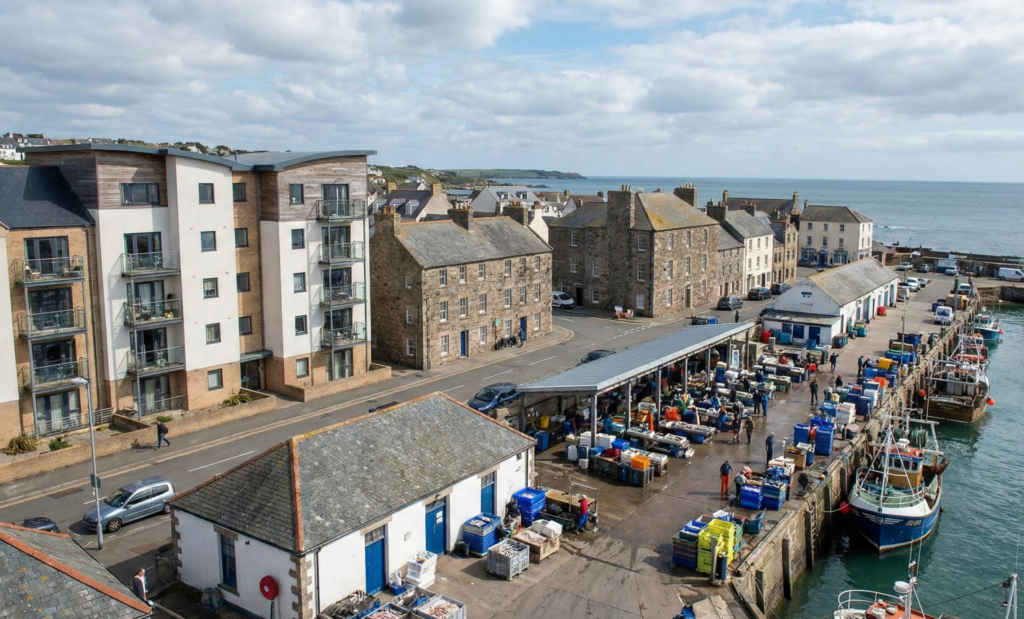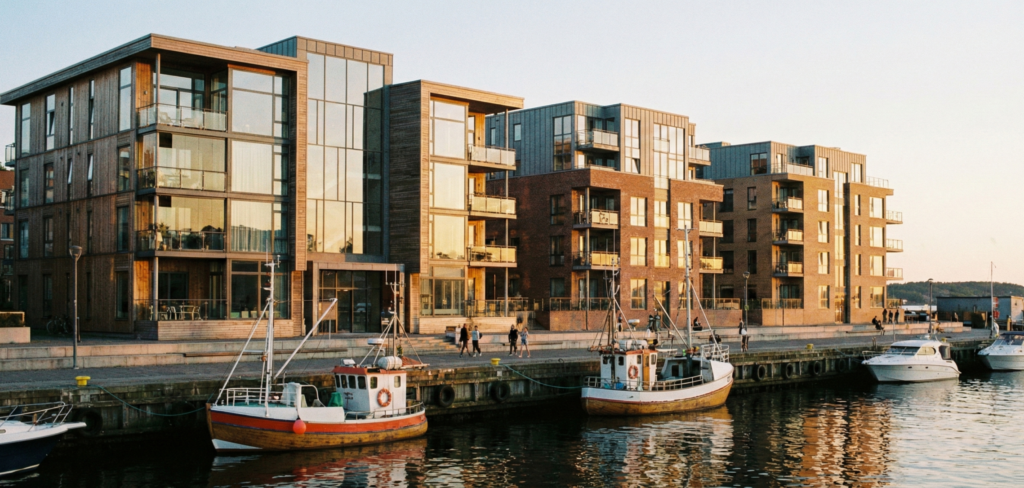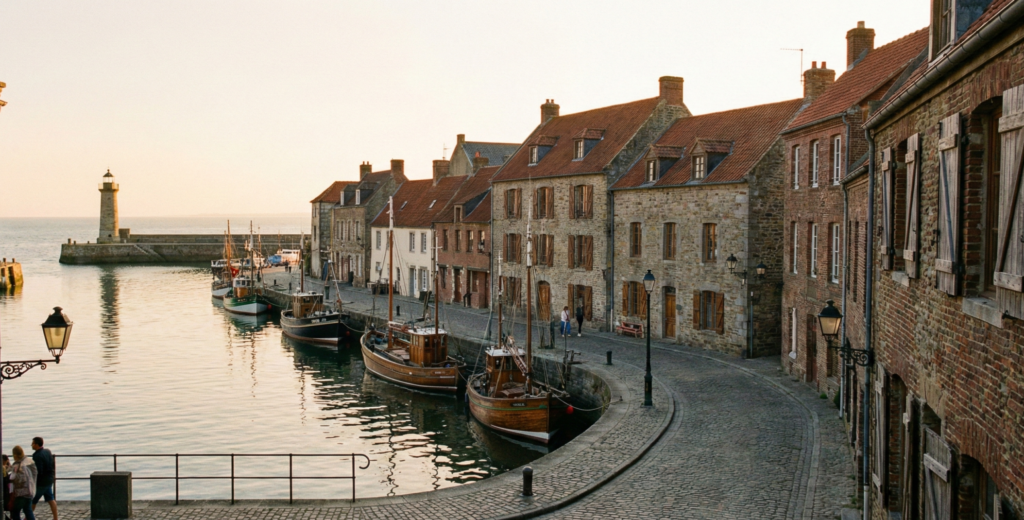
Historic port homes offer a unique investment opportunity for buyers seeking character, charm, and cultural significance. These properties, often located in former fishing villages and maritime communities, present a distinctive blend of architectural heritage and waterfront living. The appeal of purchasing real estate in these areas extends beyond mere aesthetic value, encompassing investment potential, community character, and historical preservation.
Former fishing villages have undergone significant transformations over recent decades. Many have evolved from purely working-class maritime communities into sought-after residential destinations, attracting both primary homebuyers and investors. This transition has sparked renewed interest in period properties that retain their original maritime character while offering modern amenities.
The Appeal of Historic Port Properties
Purchasing a home in a historic port community provides several compelling advantages:
- Architectural Character: These properties typically feature distinctive design elements reflecting their maritime heritage, including exposed beams, period fixtures, and authentic craftsmanship rarely found in modern construction.
- Waterfront Location: Proximity to working harbors, beaches, and coastal views enhances both lifestyle quality and property values.
- Community Heritage: Living in a historic port village connects residents to generations of cultural and economic history.
- Investment Appreciation: Properties in revitalized historic communities have demonstrated strong long-term value appreciation.
- Walkability: Historic port towns typically feature pedestrian-friendly layouts with local shops, restaurants, and amenities within walking distance.
Key Considerations Before Purchase
Structural and Historical Assessments
Before committing to a purchase in a historic port community, comprehensive inspections are essential. Older structures may present challenges related to foundation stability, moisture damage from proximity to water, and outdated systems. Professional home inspectors with experience in historic properties can identify both aesthetic concerns and structural vulnerabilities.
Many historic port homes feature original building methods and materials that require specialized assessment. Understanding the property’s structural integrity directly impacts long-term ownership costs and renovation feasibility.
Regulatory and Preservation Requirements
Historic properties in designated districts frequently operate under specific preservation guidelines and restrictions. These regulations may limit exterior modifications, renovation approaches, and material selections. Before purchase, prospective buyers should consult local historical commissions and review applicable preservation ordinances.
Understanding these requirements prevents costly surprises and ensures future renovation projects align with local standards. Some historic districts offer tax incentives and grants for restoration work, partially offsetting preservation costs.
Proximity to Water and Environmental Factors
Port properties face unique environmental considerations including flooding risks, saltwater corrosion, and erosion. Climate change has intensified these concerns in many coastal communities. Flood insurance requirements, elevation certificates, and sea-level rise projections should inform purchasing decisions.
Research historical flood maps, discuss climate resilience with local officials, and factor environmental insurance costs into your budget calculations.
Financial Planning for Historic Port Properties
Investment in historic port homes requires careful financial consideration. Renovation costs for period properties often exceed standard home improvement expenses due to specialized materials, skilled craftspeople, and preservation compliance requirements.
Essential budget considerations include:
- Comprehensive home inspection and structural assessment costs
- Flood and specialized insurance premiums
- Restoration and renovation expenses for systems upgrades
- Potential historical preservation tax credits
- Ongoing maintenance specific to waterfront properties
- Property taxes and local assessments
Working with lenders experienced in historic properties and consultants familiar with preservation requirements helps establish realistic budgets and identifies available financial incentives.
The Role of Community and Cultural Heritage
Historic port villages represent living repositories of maritime culture and economic history. By investing in properties within these communities, buyers participate in cultural preservation while supporting local economies dependent on heritage tourism and residential stability.
Many former fishing villages have established community preservation organizations, historical societies, and cultural programs. These institutions provide resources for property owners while fostering community engagement and stewardship.
Renovation and Modernization Strategies
Successful renovation of historic port homes balances modern comfort with architectural integrity. Strategic approaches include:
- System Upgrades: Modernizing electrical, plumbing, and HVAC systems while maintaining period aesthetics through discreet installation methods.
- Authentic Materials: Selecting restoration materials that match original specifications and craftsmanship standards.
- Preservation-Conscious Planning: Consulting with architects experienced in historic properties to plan renovations aligned with preservation guidelines.
- Phased Approaches: Implementing renovations in stages to manage costs and prevent overwhelming the property’s character.
Market Trends and Investment Potential
Historic port properties have demonstrated resilient investment performance despite broader economic fluctuations. The intersection of limited housing supply, increased demand for authentic living spaces, and cultural appreciation for heritage properties supports strong appreciation potential.
Remote work trends have expanded buyer interest beyond traditional coastal commuters, increasing demand for historic port communities. This expanded market base suggests sustained investment attractiveness for prudent purchasers.
Conclusion
Historic port homes represent distinctive investment opportunities for buyers seeking character, heritage, and waterfront living. Success in this market requires thorough due diligence, realistic financial planning, and appreciation for preservation principles. By understanding regulatory requirements, environmental considerations, and restoration costs, prospective buyers can make informed decisions that honor historical significance while creating modern, comfortable residences in vibrant maritime communities.
The combination of cultural heritage, community character, and investment potential makes historic port properties compelling choices for discerning real estate buyers committed to preservation and quality of life.