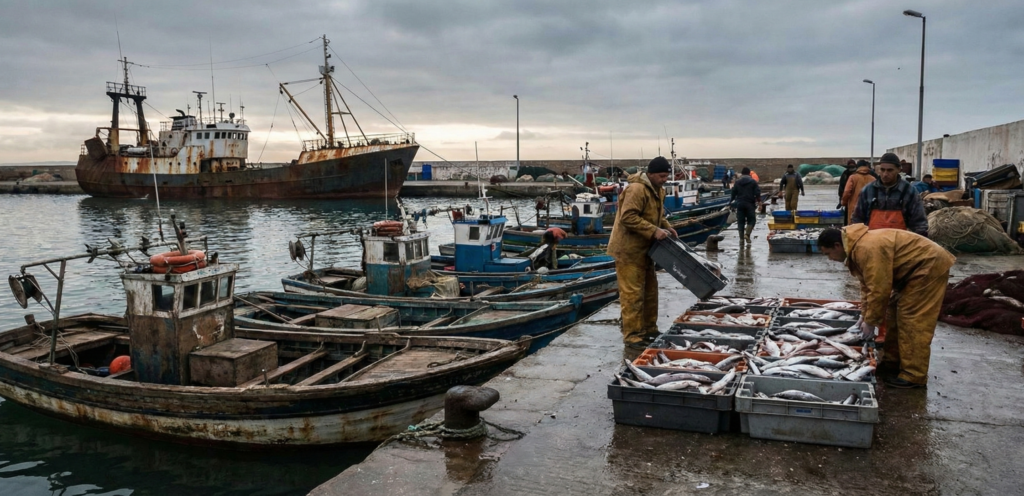
Illegal, unreported, and unregulated (IUU) fishing represents one of the most significant threats to global food security and marine ecosystems. This clandestine industry operates outside governmental oversight, depleting fish stocks at alarming rates while undermining legitimate fishing operations worldwide. The consequences extend far beyond the ocean, directly affecting the food systems that billions of people depend upon daily.
The Scale of the Problem
The illegal fishing trade generates an estimated $23.5 billion annually, making it one of the most lucrative criminal enterprises globally. This staggering figure reflects the massive volume of fish extracted illegally from international waters and territorial zones each year. The practice affects nearly every ocean region, with developing nations and their coastal communities bearing the heaviest burden.
Studies indicate that between 11 and 26 million tonnes of fish are caught illegally each year, representing approximately 14 percent of global wild capture fisheries. This unauthorized harvesting disrupts the delicate balance of marine ecosystems and compromises the sustainability of fish populations that future generations depend upon.
How Illegal Fishing Operations Function
Illegal fishing networks operate through sophisticated schemes designed to evade detection and enforcement. Common tactics include:
- Flag state abuse: Fishing vessels register under flags of convenience in countries with weak enforcement regulations
- Transshipment at sea: Catches are transferred between vessels to obscure origins and evade tracking systems
- False documentation: Illegal catches are labeled as legally caught fish and integrated into legitimate supply chains
- Bribery and corruption: Officials in coastal nations are paid to overlook violations and issue fraudulent licenses
- Forced labor: Crews are subjected to exploitation and abuse while operating these vessels
These operations benefit from weak international enforcement, limited monitoring technology, and inadequate resources in developing nations tasked with protecting their waters.
The Environmental Consequences
Illegal fishing accelerates the depletion of already vulnerable fish stocks. Overfishing disrupts breeding patterns and prevents populations from recovering, threatening species with extinction. The practice particularly targets high-value species such as bluefin tuna, sharks, and groupers, which play crucial roles in maintaining ecosystem balance.
Additionally, illegal fishing operations often employ destructive methods including dynamite fishing, cyanide use, and bottom trawling. These techniques obliterate habitats and kill non-target species, causing collateral damage that extends beyond the intended catch.
Food Security and Economic Impacts
For millions of people in developing nations, fish represents the primary source of protein and essential nutrients. Illegal fishing undermines food security by reducing available catches and destabilizing local fishing communities. When fish stocks decline, legitimate fishermen cannot sustain their livelihoods, forcing families into poverty and perpetuating cycles of economic hardship.
Legal fishing industries suffer significant economic losses due to competition from illegal operators who avoid compliance costs. This unfair competition disadvantages legitimate businesses, reduces government tax revenues, and discourages investment in sustainable fishing practices.
Consumer Risks and Traceability Issues
Illegal fish frequently enters mainstream supply chains through deliberate mislabeling and fraudulent documentation. Consumers unknowingly purchase products derived from illegal operations, unable to verify the source, legality, or sustainability of their seafood purchases. This lack of traceability creates food safety concerns and prevents informed consumer decision-making.
Seafood fraud—the mislabeling of illegal catch as legitimate product—further complicates efforts to maintain supply chain integrity. Restaurants and retailers may unknowingly serve illegally caught fish, perpetuating demand for products obtained through criminal means.
Current Enforcement Challenges
Combating illegal fishing requires coordinated international enforcement, yet several obstacles impede progress:
- Vast ocean areas exceed the monitoring capacity of coastal nation patrols
- Limited funding for surveillance technology and enforcement personnel
- Weak penalties fail to deter criminal activity adequately
- International cooperation remains inconsistent across regions
- Jurisdictional complexities complicate prosecution of violations
These challenges allow illegal operators to continue their activities with minimal risk of consequences.
Solutions and Future Directions
Addressing illegal fishing requires comprehensive, multi-faceted approaches involving governments, industry, and consumers. Effective strategies include:
- Advanced monitoring systems: Satellite technology and vessel tracking systems enhance surveillance capabilities
- Port state controls: Strengthened inspections of incoming vessels prevent illegal catch from entering markets
- Supply chain transparency: Blockchain and traceability systems verify product origins and legality
- International cooperation: Regional agreements enable coordinated enforcement across borders
- Stricter penalties: Increased fines and criminal prosecution deter illegal activity
- Capacity building: Investment in developing nations’ enforcement infrastructure
- Consumer awareness: Education programs encourage demand for sustainably and legally caught seafood
The Path Forward
Illegal fishing poses a serious threat to ocean health, food security, and legitimate economies worldwide. Addressing this issue requires sustained commitment from international stakeholders, substantial investment in enforcement technology, and fundamental changes to how we regulate and monitor global fishing activities. By strengthening cooperation, improving transparency, and supporting developing nations in protecting their marine resources, we can work toward a more sustainable and secure global food system.
Consumers also play a vital role by supporting sustainable fishing practices, requesting product traceability information, and making informed choices about their seafood consumption. Together, these efforts can significantly reduce the prevalence of illegal fishing and protect the ocean ecosystems upon which billions depend.