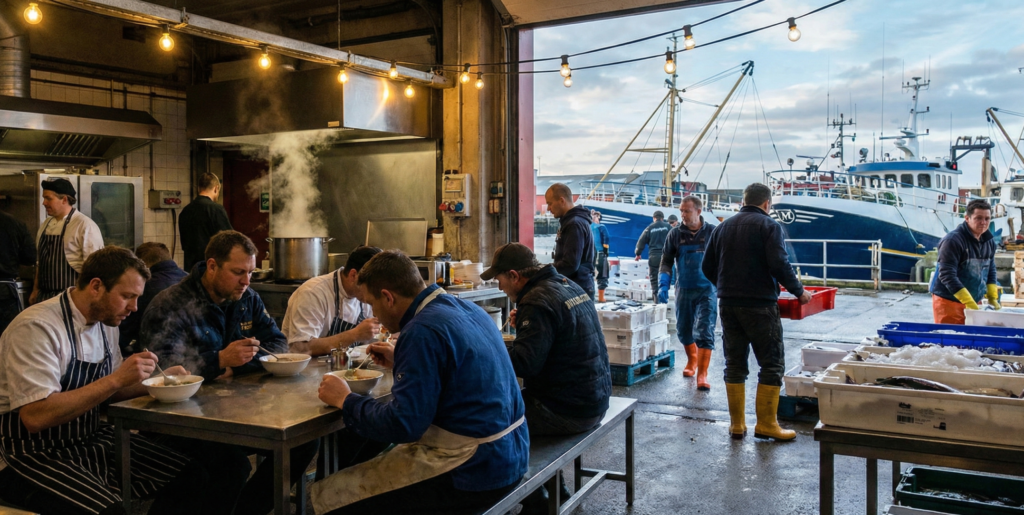
Oysters have long held a distinguished position within the culinary traditions of the world’s most affluent societies. What began as a humble protein source for working-class laborers in medieval Europe has transformed into one of the most coveted delicacies associated with luxury dining and social prestige. This evolution reflects broader changes in agricultural production, transportation infrastructure, and cultural perceptions of value and exclusivity.
During the Roman Empire, oysters were consumed by emperors and wealthy citizens, establishing a precedent that would persist through subsequent centuries. The mollusk’s transition from necessity to luxury intensified during the Victorian era, when oyster consumption became firmly entrenched in the social fabric of Britain and North America, signifying wealth, refinement, and cultural sophistication.
The Raw Bar as a Symbol of Contemporary Affluence
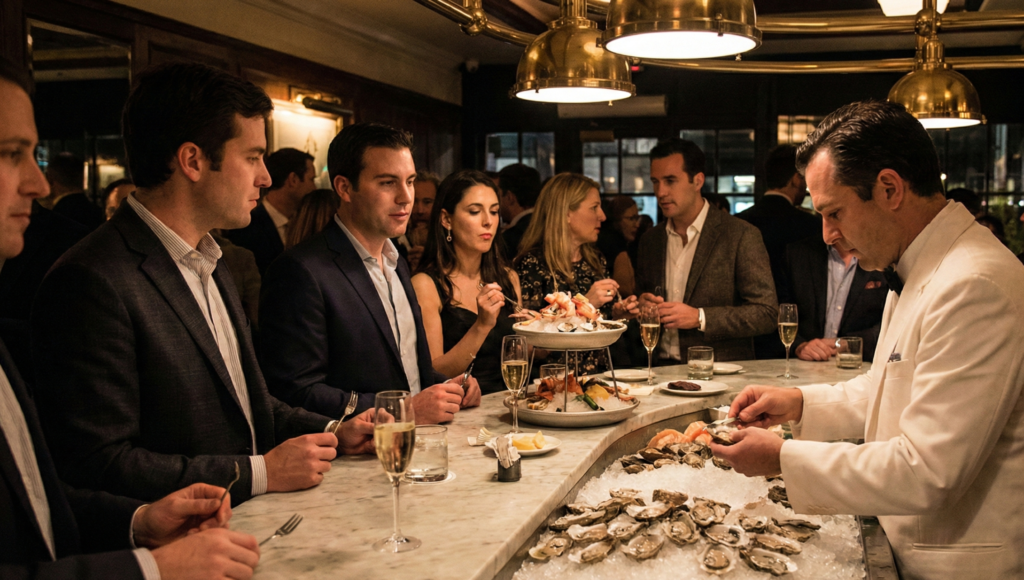
Modern raw bars have emerged as the contemporary manifestation of oyster-centered dining culture. These establishments, characterized by their emphasis on fresh seafood and refined atmosphere, serve as gathering places where social and economic status converge. The raw bar experience extends beyond mere sustenance; it represents participation in an exclusive culinary culture that demands both financial resources and cultural knowledge.
The proliferation of raw bars in major metropolitan areas has reinforced oysters’ status as luxury items. Premium establishments in cities such as New York, San Francisco, and London have cultivated sophisticated environments where oyster consumption occurs within carefully curated social contexts, further elevating the mollusk’s symbolic significance.
Oyster Varieties and Exclusivity
The diverse range of oyster varieties available contributes substantially to their status appeal. Different geographical origins and production methods create distinct flavor profiles and price points, allowing consumers to demonstrate connoisseurship and refined taste through their selections.
- Pacific Oysters: Known for their large size and sweet, buttery profiles, primarily sourced from North American waters
- European Flats: Prized for their metallic, briny characteristics and considered among the most expensive varieties
- Kumamoto Oysters: Characterized by their small size, sweet flavor, and creamy texture
- Blue Points: Indigenous to the Atlantic coast, offering robust, salty notes
- Belon Oysters: Hailing from France, renowned for their distinctive copper-colored shells and complex flavor
Collectors and enthusiasts often pursue rare or limited-edition oyster varieties, treating acquisition as both an investment and a status-enhancing activity. This collecting mentality elevates oysters beyond food into the realm of luxury goods comparable to fine wines or art.
The Economics of Oyster Consumption
The cost structure surrounding oyster consumption reinforces its association with affluence. Premium oysters, particularly those sourced from exclusive locations or produced through specialized methods, command prices that position them beyond the reach of average consumers. A single high-grade oyster may cost between five and fifteen dollars at upscale establishments, with rare varieties potentially exceeding this range considerably.
These pricing structures are justified through several factors, including limited supply, stringent quality standards, cold-chain logistics requirements, and the labor-intensive nature of oyster farming. However, the elevated prices also serve a social function, ensuring that oyster consumption remains a marker of economic status and purchasing power.
Cultural Sophistication and Educated Consumption
Beyond financial capability, oyster consumption requires cultural literacy and developed palates. Knowledgeable oyster enthusiasts must understand distinctions between varieties, recognize quality indicators, and appreciate subtle flavor nuances. This expertise becomes a form of cultural capital that distinguishes those within the oyster-consuming elite from the broader population.
Raw bars facilitate this knowledge development through educated staff, curated tasting menus, and seasonal offerings that encourage customers to expand their understanding. Participating in this educational dimension of oyster culture becomes an avenue for social distinction and intellectual engagement.
The Social Dynamics of Raw Bar Environments
Raw bar settings are deliberately designed to reinforce social hierarchies and create exclusive atmospheres. Architecture, décor, service protocols, and pricing structures collectively establish environments where participation signals belonging to a particular socioeconomic demographic.
The social rituals surrounding oyster consumption—including the requirement to eat raw, the use of specialized implements, and the ability to converse knowledgeably about varieties and origins—create behavioral barriers that further reinforce exclusivity. Those unfamiliar with these social codes may experience discomfort, inadvertently reinforcing the oyster bar’s function as a space for the culturally initiated.
Oysters in Contemporary Media and Popular Culture
The representation of oyster consumption in popular media has reinforced its status symbolism. Films, television programs, and lifestyle publications frequently depict oyster eating as an activity associated with wealth, sophistication, and romantic luxury. These cultural representations shape public perception and reinforce aspirational associations with oyster consumption.
Celebrity endorsements and high-profile appearances at renowned raw bars further elevate oysters’ cultural cachet. When public figures are photographed consuming oysters at exclusive establishments, the images circulate through social media and entertainment media, reinforcing the association between oyster consumption and desirable social positioning.
Environmental and Sustainability Considerations
Increasingly, the status associated with oyster consumption extends to environmental consciousness. Sustainable oyster farming practices have become points of pride for certain producers and consumers, creating a new dimension of status differentiation. Consumers who can demonstrate knowledge of sustainable sourcing practices add another layer of sophistication to their oyster consumption.
This environmental awareness reflects evolving definitions of luxury that incorporate ethical considerations. Raw bars that emphasize sustainable practices and transparent sourcing networks appeal to consumers for whom status encompasses not only personal consumption but also alignment with valued social causes.
Conclusion: Oysters as Multivalent Status Markers
Oysters occupy a unique position within contemporary culture as sophisticated status symbols that operate across multiple registers—economic, cultural, social, and increasingly environmental. The raw bar represents a physical manifestation of oyster culture where financial resources, cultural knowledge, and social positioning converge to create experiences of exclusivity and distinction.