Omega-3 fatty acids are essential for a healthy diet. They support heart health and may improve brain function. Many people eat seafood to get more omega-3 naturally. Two top choices are salmon and sardines. Both are widely available and easy to prepare. Still, shoppers often wonder which option contains more omega-3. The answer depends on serving size and fish type. It also depends on whether the fish is fresh or canned. Salmon is well known for being rich and fatty. Sardines are small but surprisingly nutrient-dense. This article breaks down the omega-3 comparison in simple terms. You will also learn about nutrition, cost, and cooking ideas. By the end, you can choose the best fish for your needs.
Salmon or Sardines: Omega-3 Comparison Made Simple
Omega-3 in fish mainly comes from EPA and DHA fats. These are the most useful forms for the body. Salmon delivers a high amount of omega-3 in a standard fillet. It is especially rich when the fish is fatty. Sardines can also contain very high omega-3 levels. In many cases, sardines provide more omega-3 per gram. That is because sardines are naturally oily fish. Canned sardines in oil may boost omega-3 even further. However, salmon portions are usually larger at meals. This can raise total omega-3 intake per serving. Both fish are strong choices for omega-3 support. The best one depends on how much you eat at once.
Why Omega-3 Levels Change Between Different Fish Options
Omega-3 levels are not identical in every fish product. Salmon comes in many types, like Atlantic or sockeye. Some species are leaner and contain less omega-3. Farmed salmon can be higher in fat than wild salmon. That often increases its omega-3 content per serving. Cooking methods may also affect the final serving weight. Baking, grilling, and frying change the moisture and fat loss. Sardines vary depending on whether they are fresh or canned. Canned sardines may include added oils like olive oil. Labels may list values per drained or undrained serving. That can make comparisons confusing for shoppers. Reading nutrition labels helps confirm omega-3 amounts. Consistency is often better with sardines than salmon.
Key Nutrition Differences Beyond Omega-3 Benefits
Omega-3 is important, but other nutrients matter too. Salmon offers high-quality protein and useful B vitamins. It can also provide vitamin D in meaningful amounts. Salmon contains selenium, which supports immune function. Sardines are also packed with protein and minerals. They are rich in calcium because the bones are edible. This makes sardines helpful for bone strength. Sardines also provide iron and vitamin B12. They tend to have lower mercury than larger fish. That makes them safer for frequent seafood meals. Salmon is nutritious but may vary depending on sourcing. Sardines are small and lower on the food chain. This can improve sustainability and reduce contaminant risks.
Taste, Cost, and Convenience in Daily Meal Planning
Many people decide between fish options based on taste. Salmon has a mild flavor and a firm texture. It works well in salads, rice bowls, and pasta dishes. It also fits well into grilled and baked recipes. Sardines have a stronger flavor and softer texture. Some people find them too intense at first. However, lemon, chili, and herbs can balance their taste. Sardines are often more affordable than salmon. They are also easier to store when canned. Canned sardines are ready to eat within minutes. Salmon often needs refrigeration and cooking time. Still, salmon feels more like a full dinner protein. Sardines can be a quick snack or sandwich filling. Both can fit healthy meal plans easily.
Salmon or Sardines: Which One Should You Choose?
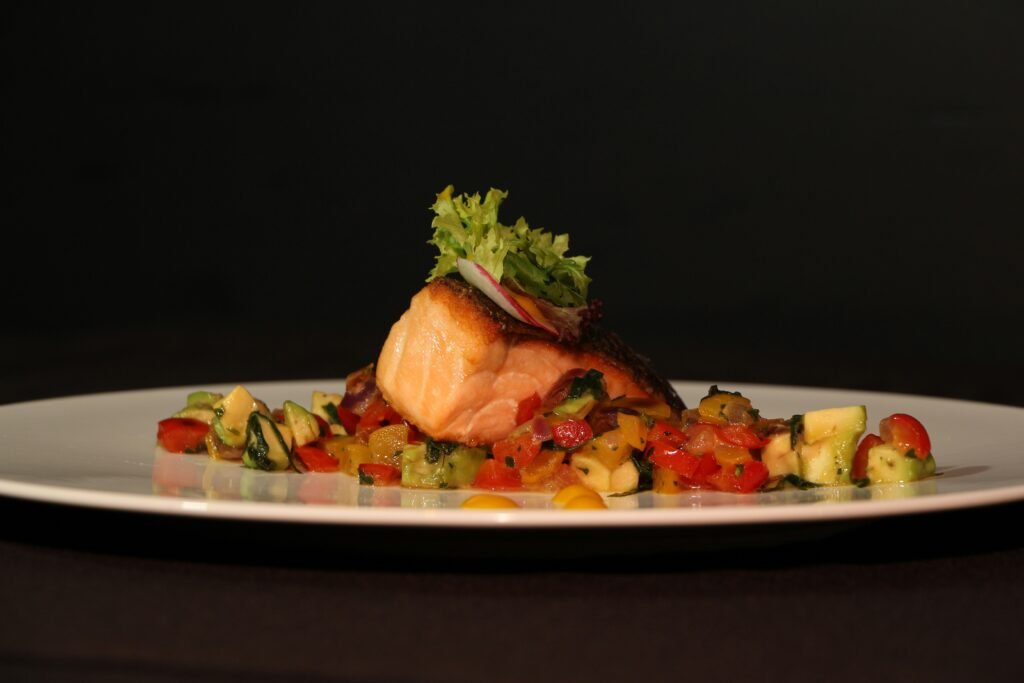
Choosing the better fish depends on your personal goals. If you want maximum omega-3 density, sardines often lead. If you want a larger meal portion, salmon is ideal. People who dislike strong flavors may prefer salmon. Sardines are better for budget-friendly omega-3 intake. They also work well for busy schedules and simple lunches. Salmon is excellent for meal prep and family dinners. Eating both can offer the best nutritional balance. Rotate them through the week for variety and taste. That helps you avoid getting bored with seafood meals. If you need convenience, sardines are hard to beat. If you want a restaurant-style meal, salmon is a classic choice. Either way, omega-3 benefits are within reach with both fish.
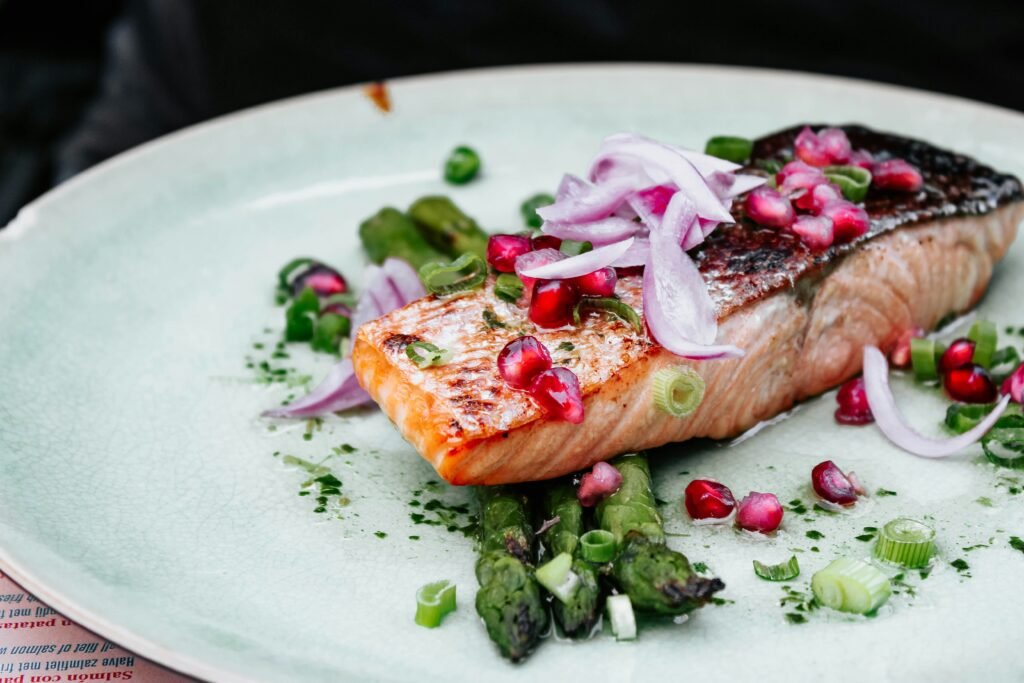
Photo by micheile henderson on Unsplash