Choosing between seafood and chicken can feel confusing when you want healthier meals. Both foods provide protein, which supports muscle strength and daily energy needs. Seafood is often praised for its unique nutrients and heart-healthy fats. Many people enjoy seafood because it feels lighter than many meat-based meals. Seafood includes fish, shrimp, crab, mussels, oysters, and a variety of other options. These choices offer variety, which makes healthy eating more enjoyable and sustainable. Chicken is also popular because it is affordable, widely available, and easy to cook. However, seafood can offer omega-3 fatty acids that chicken does not provide naturally. Seafood may also supply important minerals like iodine, selenium, and zinc. Chicken can still be very healthy when it is lean and cooked properly. The healthiest choice depends on your goals, preferences, and cooking methods. This comparison will help you decide when seafood or chicken fits your lifestyle best.
Nutrition Profile Comparison of Seafood and Chicken
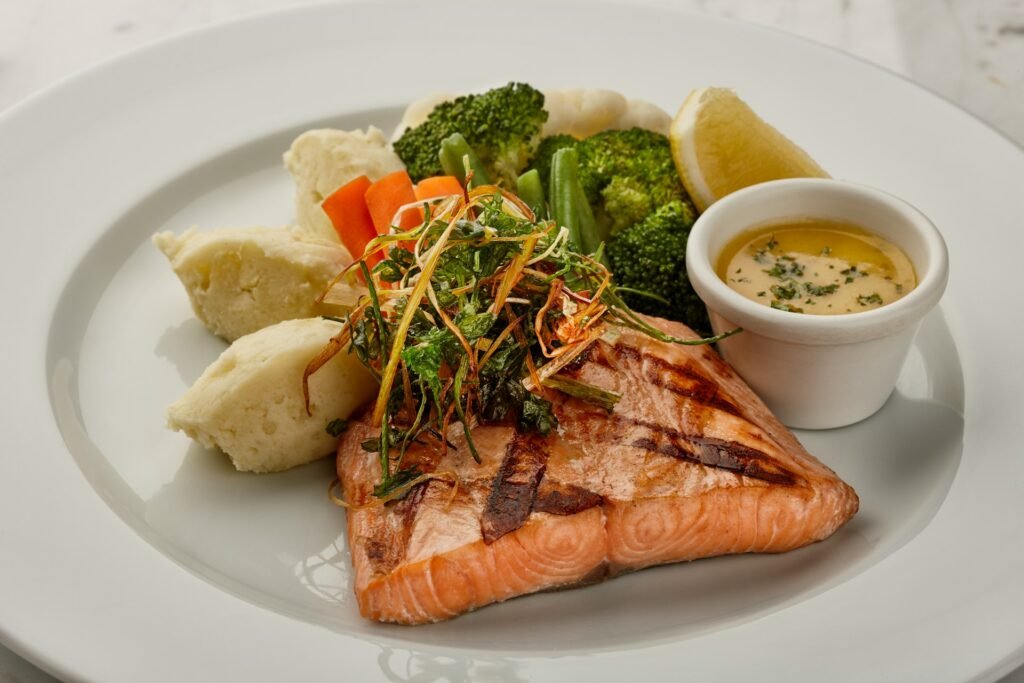
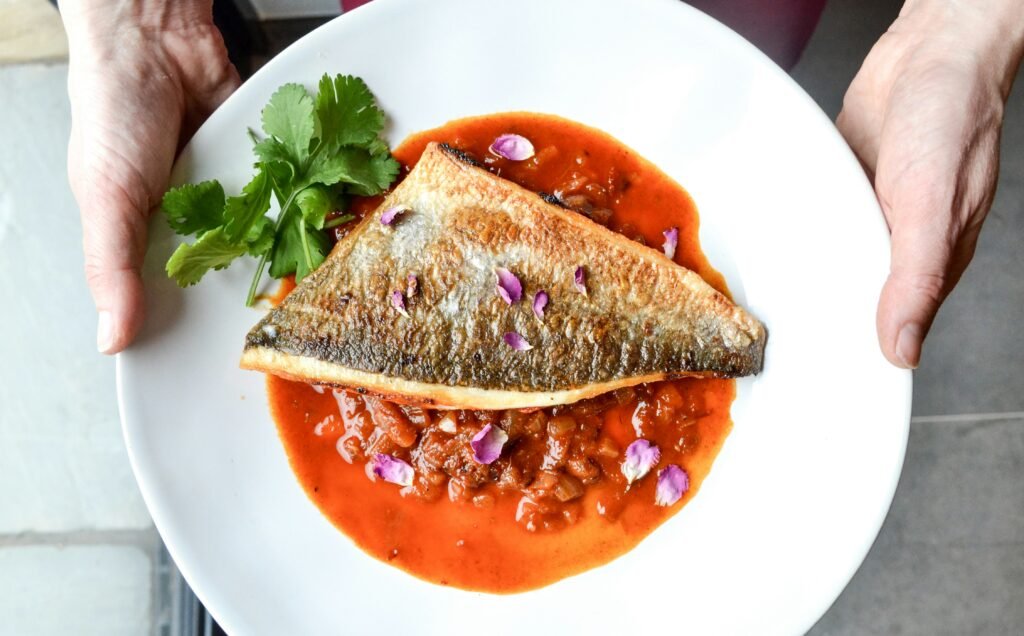
Seafood and chicken both provide complete protein with essential amino acids for the body. Seafood can be lower in calories, depending on the type and preparation method. Chicken breast is usually lean, especially when skinless and grilled. Seafood like salmon has more fat, but much of it is healthy omega-3. White fish, like cod, is very low in fat and easy to digest. Chicken contains vitamins like B6 and niacin for metabolism support. Seafood can provide vitamin D, iodine, and selenium for hormone balance. Both are nutritious, but seafood often offers a broader micronutrient range.
Heart and Cholesterol Health
Seafood is strongly connected with heart health because of omega-3 fatty acids. These fats may support healthier triglyceride levels and better blood vessel function. Seafood may also help reduce inflammation in the body over time. Chicken can be heart-friendly when it is not fried or heavily processed. However, chicken does not naturally provide high omega-3 levels like seafood. Fatty seafood like sardines and salmon is especially beneficial for heart protection. Lean seafood options still support heart health with quality protein and minerals. If heart health matters most, seafood often has an advantage over chicken choices.
Brain, Mood, and Energy Benefits
Seafood contains DHA and EPA, which support brain structure and nervous system function. These omega-3 fats may improve focus and support a balanced mood. Seafood can be helpful for students, professionals, and older adults seeking mental clarity. Chicken provides protein that supports steady energy and stable blood sugar levels. Chicken also supplies B vitamins that help turn food into usable energy. Seafood offers a mix of healthy fats and protein for longer-lasting satisfaction. Some seafood also provides choline, which supports memory and brain signaling. For brain support, seafood is usually the stronger choice compared to chicken alone.
Role of Seafood in Weight Management and Fullness
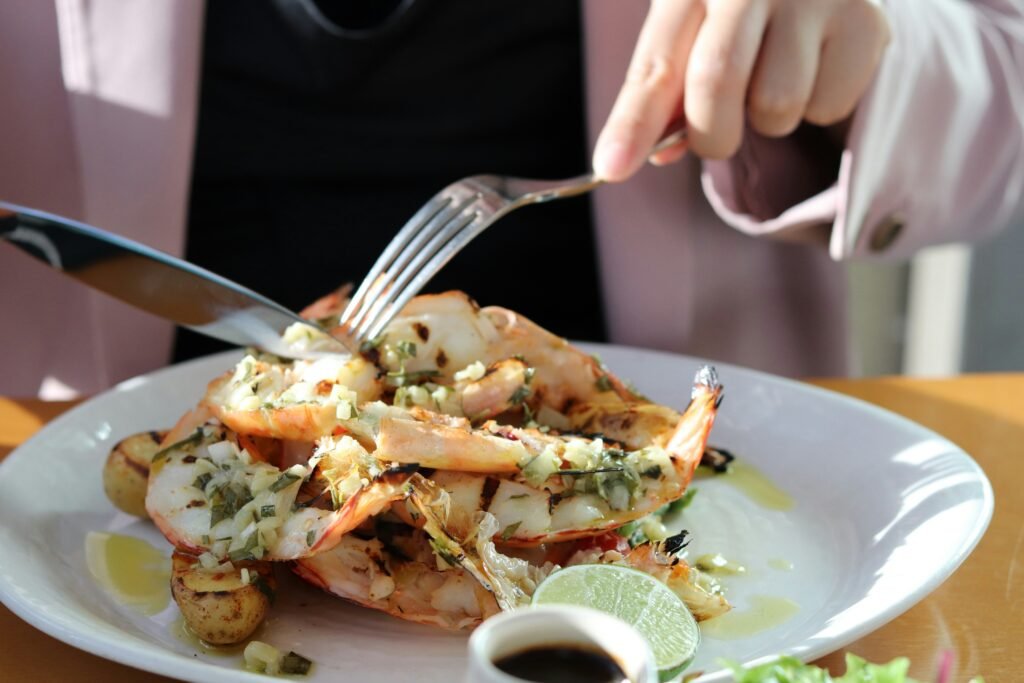
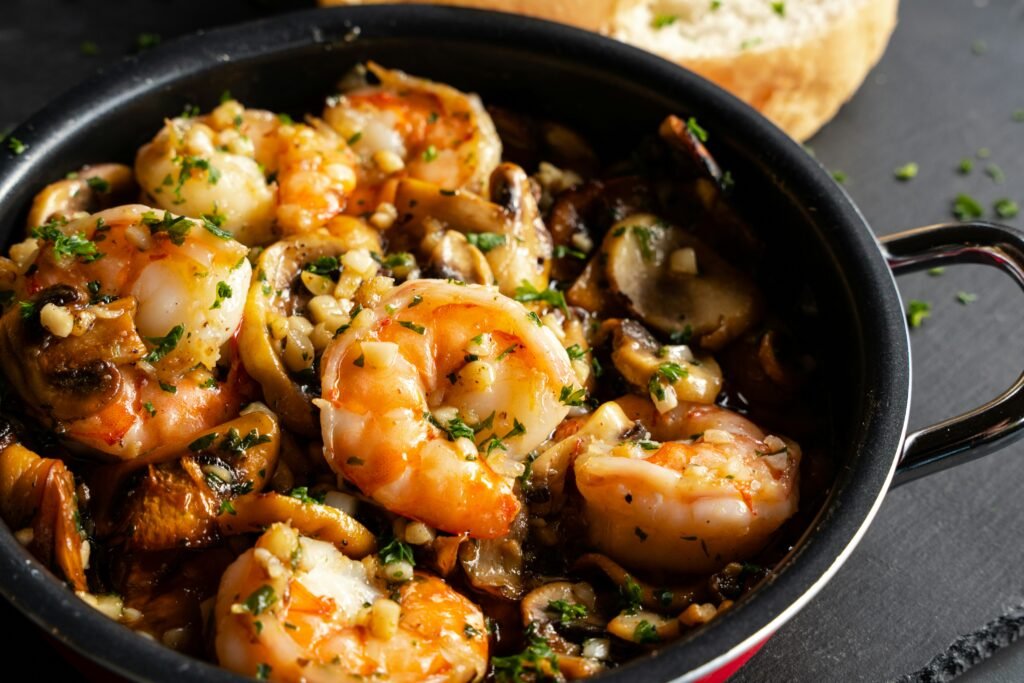
Seafood can be a smart choice for weight goals because it is often low-calorie. Many seafood options provide high protein without heavy saturated fat. Shrimp and white fish can help you stay full with fewer calories. Chicken breast is also excellent for fat loss plans and calorie control. The difference usually depends on cooking style and portion sizes. Fried seafood and fried chicken can quickly increase calories and unhealthy fats. Seafood grilled with vegetables creates a light and satisfying meal. Chicken with heavy sauces can raise sugar and fat levels. For easier weight control, seafood often feels lighter and more filling.
Safety, Mercury, and Smart Choices
Seafood can contain mercury, but the risk depends on the type you choose. Large fish like swordfish may carry higher mercury than smaller fish. Seafood like salmon, sardines, and trout usually contains lower mercury levels. Chicken does not have mercury concerns, which makes it simpler for daily meals. Seafood is still safe for most people when eaten in balanced portions. Choosing trusted sources can improve seafood quality and reduce contamination concerns. Pregnant individuals should pick low-mercury seafood more carefully. Chicken safety depends on proper cooking to avoid bacteria and food poisoning. Both foods are safe when handled and cooked with care.
Final Verdict: Which Is Healthier?
Seafood is often healthier because it delivers omega-3 fats and valuable minerals. Chicken is still very healthy when it is lean, skinless, and minimally processed. Seafood supports heart health, brain function, and balanced inflammation levels. Chicken supports muscle growth and fits many budgets and meal plans. The healthiest option depends on how you cook it and what you eat with it. Seafood grilled with vegetables is an excellent, nutrient-rich choice. Chicken fried with heavy breading is less healthy than simple seafood dishes. For overall benefits, seafood often wins, but both can fit a healthy diet.
Photo by Durenne Loris on Unsplash