The shellfish industry has long been a cornerstone of economic activity in coastal communities across North America. However, as demand for seafood continues to rise and these regions experience population growth, housing costs in shellfish capitals have become increasingly challenging for both residents and newcomers. This article examines the current state of housing affordability in these vital seafood-producing areas and explores the factors driving price escalation.
The Current Housing Crisis in Shellfish-Producing Regions
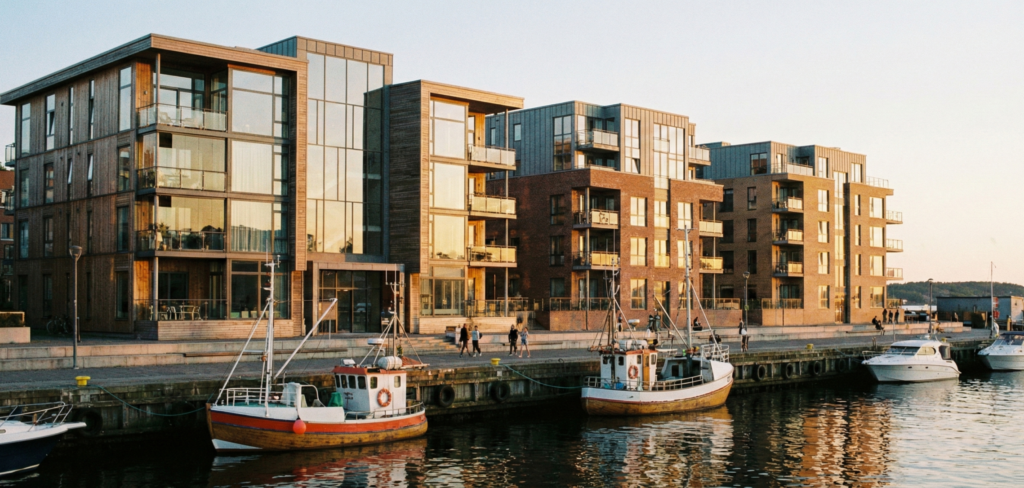
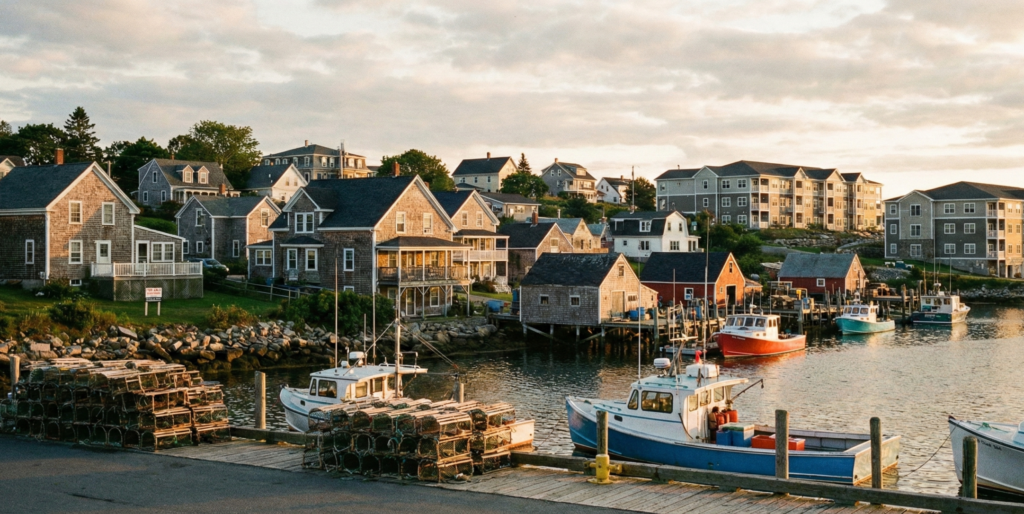
Shellfish capitals, including areas like the Pacific Northwest, New England, and the Gulf Coast, have experienced dramatic increases in housing costs over the past decade. These regions, once characterized by affordable coastal living, now face median home prices that rival major metropolitan areas. The confluence of limited housing supply, increased remote work migration, and strong tourism demand has created a perfect storm for housing affordability.
Key Factors Contributing to Rising Housing Costs
- Limited Land Availability: Coastal communities face geographic constraints that restrict new development and limit housing supply.
- Population Migration: Remote work opportunities have attracted new residents seeking lifestyle changes and coastal living.
- Tourism Demand: Vacation home purchases and rental properties have reduced residential inventory.
- Infrastructure Investment: Improved amenities and services make these areas more desirable, raising property values.
- Environmental Regulations: Coastal protection laws and preservation requirements increase development costs.
Impact on Local Communities and Fishing Families
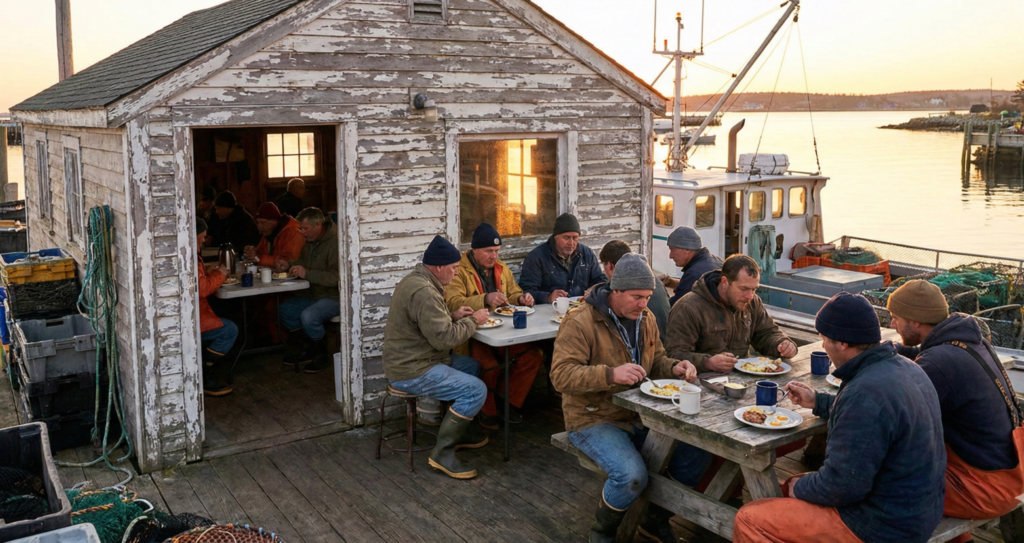
Rising housing costs present significant challenges for the families who built these communities through generations of shellfish harvesting and processing. Young fishermen and shellfish farmers struggle to afford homes in the regions where their families have worked for decades. This affordability crisis threatens to displace local workers and alter the cultural fabric of these historically tight-knit communities.
Many multi-generational fishing families find themselves unable to compete with outside investment and wealthy remote workers, leading to concerns about the sustainability of local shellfish industries and the preservation of maritime heritage.
Comparative Housing Market Data
Analysis of housing markets in major shellfish capitals reveals stark contrasts with national averages. Properties in premium shellfish-producing regions command significant premiums compared to inland areas with similar amenities. This gap reflects both the unique value of coastal location and the scarcity of available inventory in desirable shellfish towns.
Market Trends by Region
- Pacific Northwest: Strong demand for sustainable seafood and outdoor lifestyle amenities has driven consistent price growth.
- New England: Historic charm and established seafood industries attract premium prices and investor interest.
- Gulf Coast: Strategic position and abundant shellfish resources create opportunities but also speculative investment.
Solutions and Future Outlook
Addressing housing affordability in shellfish capitals requires multifaceted approaches. Community leaders, policymakers, and industry stakeholders are exploring solutions including:
- Community land trusts and affordable housing initiatives
- Zoning reforms to increase housing density near employment centers
- Tax incentives for primary residence ownership by industry workers
- Regional housing coordination and planning efforts
- Public-private partnerships to develop workforce housing
Conclusion
The housing cost crisis in America’s shellfish capitals represents a critical challenge with far-reaching implications for local economies, cultural preservation, and industry sustainability. While the desirability of these coastal communities continues to drive demand, finding solutions that balance growth with affordability remains essential. Stakeholders across government, business, and community organizations must work collaboratively to ensure these vital seafood-producing regions remain accessible to the families and workers who have sustained them for generations.