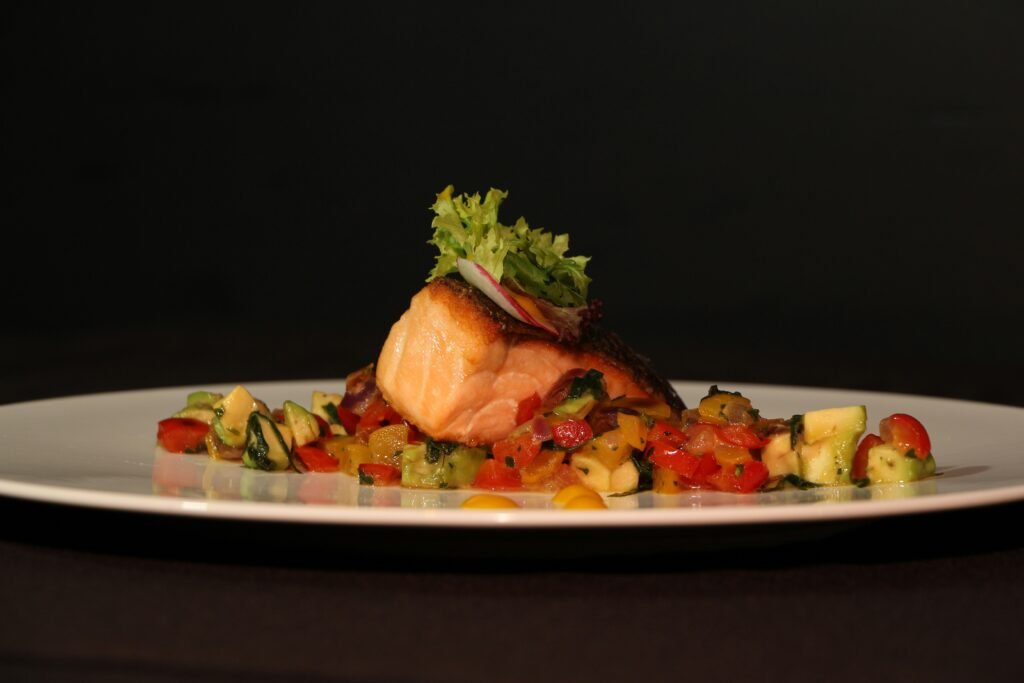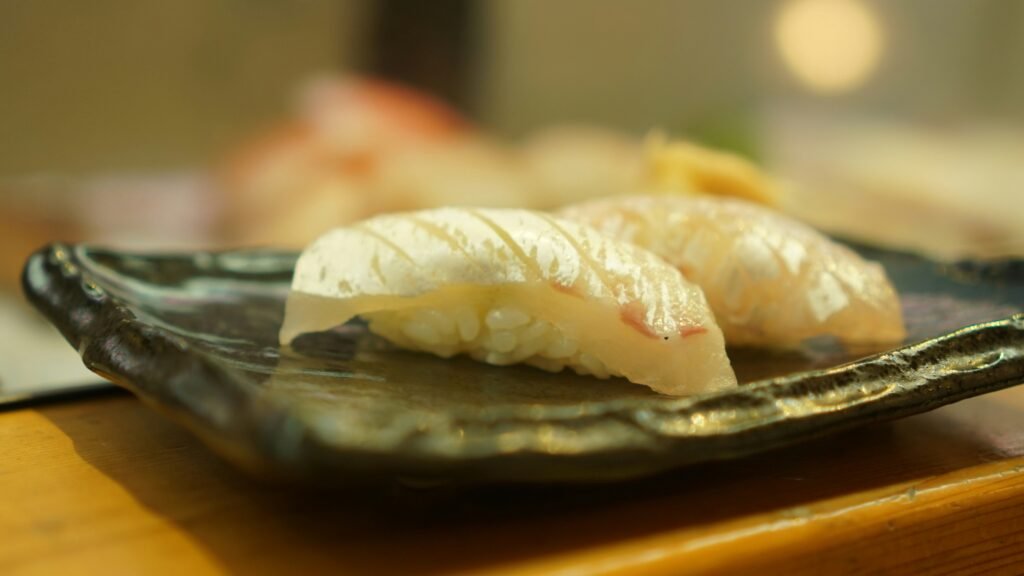
Fish is a versatile protein enjoyed in many cuisines worldwide. It offers unique flavors, textures, and nutritional value. Many people compare lean fish and oily fish for health benefits. The main difference is the amount of fat in the flesh. Oily fish contain higher levels of healthy omega-3 fats. Lean fish contains less fat and has a lighter taste. This difference affects cooking methods and the best recipe choices. Some meals need bold flavor and richer texture. Other dishes work better with delicate, mild fillets. Both types can fit into a balanced eating plan. Your best choice depends on taste, budget, and availability. It also depends on your nutrition goals and cooking style. Knowing key traits helps you shop with confidence. It also helps you avoid dry, overcooked fish. This guide explains how to choose, cook, and enjoy both types. You will learn where each one shines on the plate. You will also get ideas for simple, reliable meals.
Key Differences Between White Fish and Oily Fish
The biggest difference is fat content and moisture. Oily fish have more fat stored throughout the flesh. White fish is leaner and often has a lighter, flakier texture. Oily fish usually look darker and taste stronger. Examples include salmon, sardines, mackerel, and herring. Lean fish examples include cod, haddock, pollock, and tilapia. Oily fish stays moist during cooking because of its fat. Lean fish can dry out quickly if overcooked. Oily fish pairs well with sharp, acidic flavors. Lean fish works well with gentle herbs and light sauces. Price can vary depending on location and season. Availability also differs by region and fishing methods. Both types can be fresh, frozen, or canned. Smart storage keeps flavor and texture at their best.
Nutrition Comparison: Protein, Calories, and Omega-3s
Both fish types provide high-quality protein for muscle support. They also provide vitamins and minerals for daily health. Oily fish is higher in calories due to its fat content. It is also richer in omega-3 fatty acids. Omega-3s support heart health and brain function. Oily fish may also provide more vitamin D. They can also be a strong source of vitamin B12. White fish is lower in calories and lighter for meal prep. It suits people who want lean protein options. Lean fish may still provide selenium and iodine. These nutrients support thyroid function and immunity. Protein content stays strong in both categories. Portion size matters for overall calorie intake. Cooking method also changes the final nutrition profile. Frying adds more fat than baking or steaming. Balanced meals include vegetables, grains, and healthy fats.
Best Cooking Methods and Flavors for White Fish
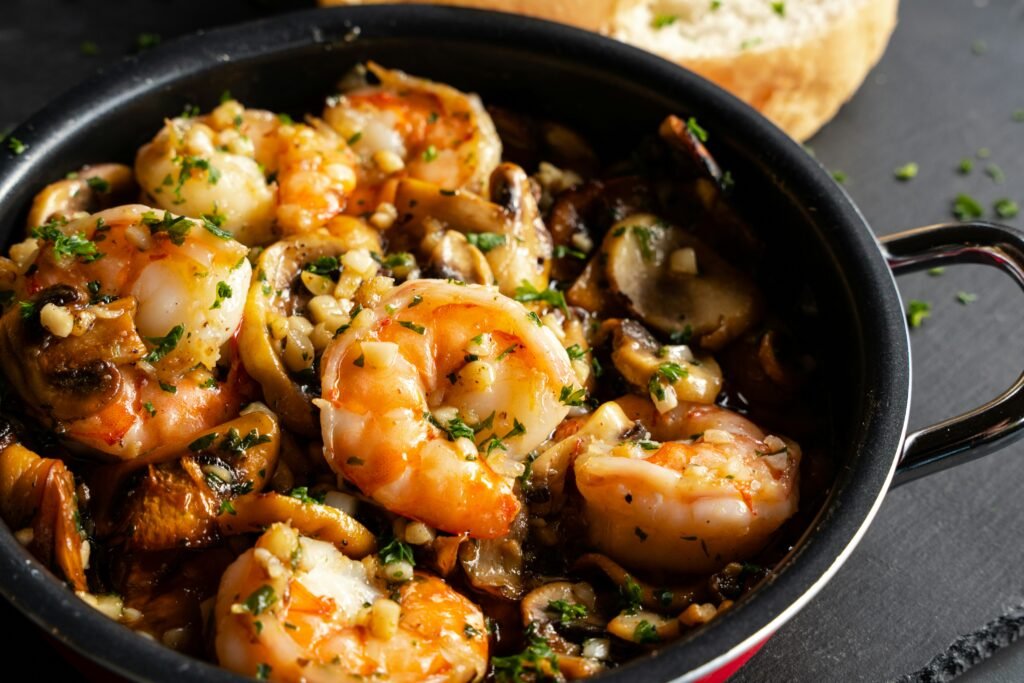
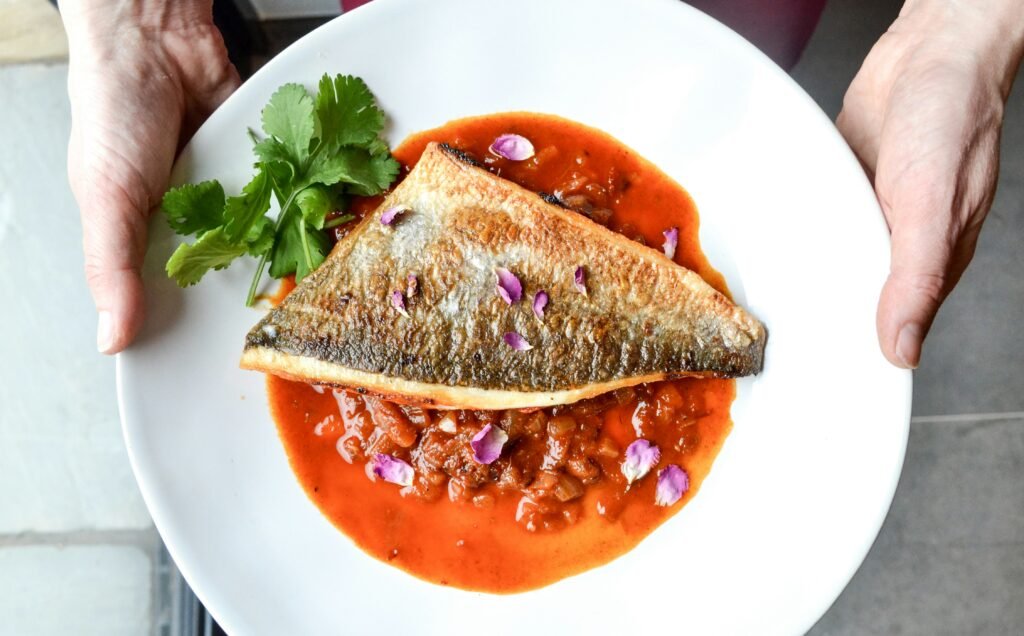
White fish works best with quick, gentle cooking methods. It is ideal for steaming, baking, and pan-searing. Its mild flavor makes it great for family-friendly meals. You can season it with lemon, garlic, and fresh parsley. It also pairs well with dill and light butter sauces. White fish holds shape well in soups and chowders. It also works in tacos with crisp slaw and salsa. Breaded fillets are popular for oven baking or air frying. Avoid cooking too long, or the flesh becomes dry. Use medium heat to keep the texture tender. A thermometer helps prevent overcooking mistakes. Aim for flaky flesh that separates easily with a fork. Marinating briefly can add moisture and flavor. Choose simple spices for a clean, delicate taste. Serve with rice, potatoes, or roasted vegetables for balance.
Best Cooking Methods and Flavors for Oily Fish
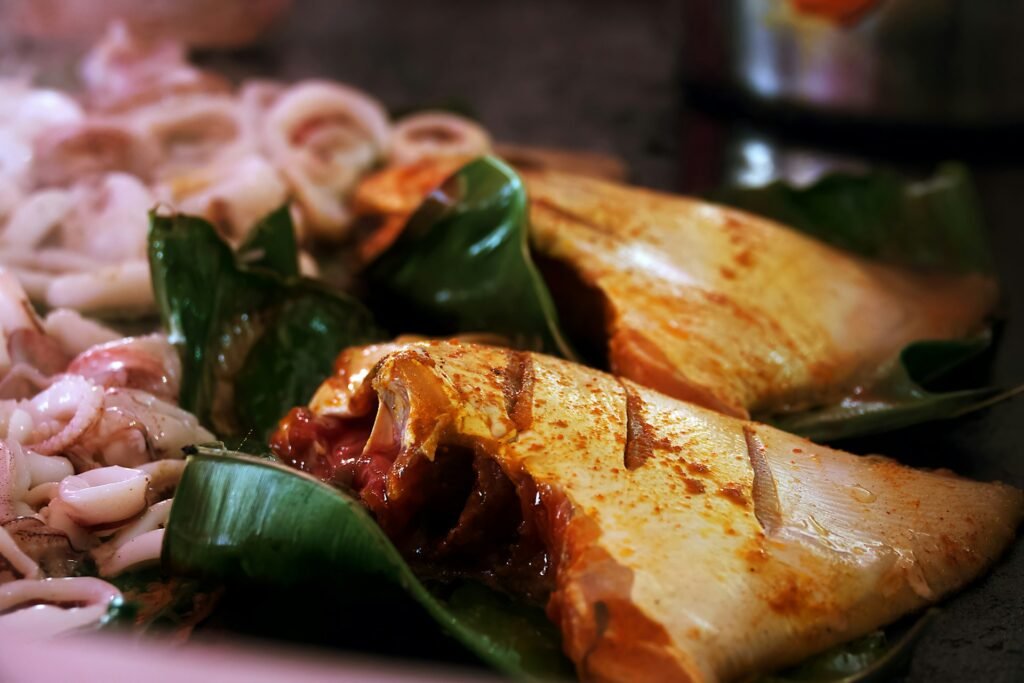
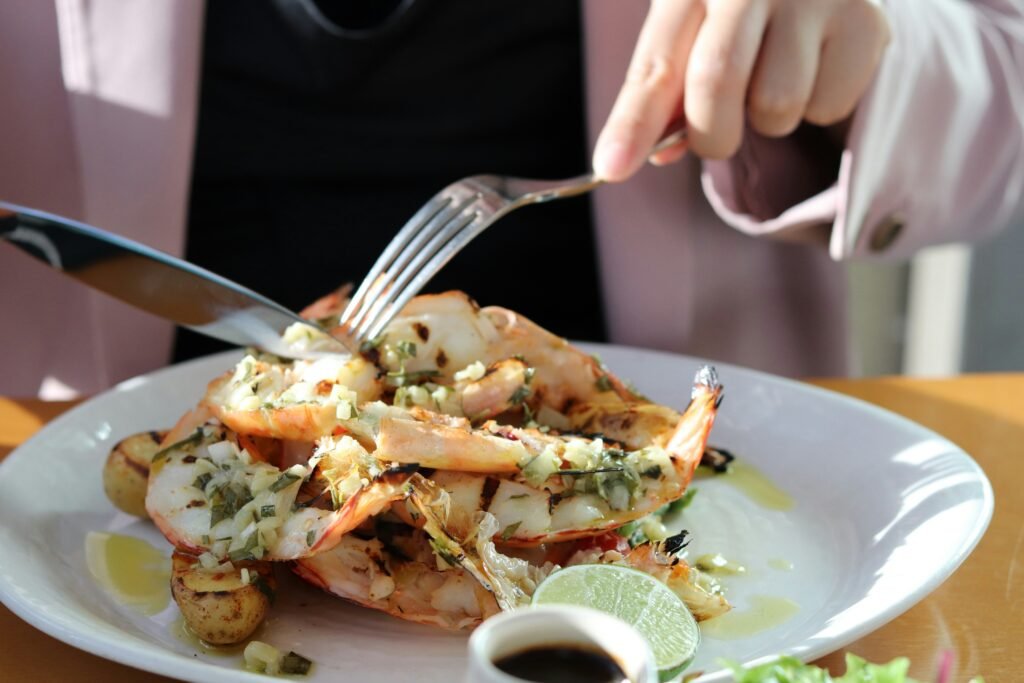
Oily fish handles strong heat and bold flavors very well. Grilling gives it smoky depth and crispy edges. Roasting keeps it juicy and rich without extra oil. It pairs well with mustard, soy sauce, and citrus glazes. Spices like paprika, chili, and pepper add warmth. Oily fish also works well in curries and stews. The fat helps carry flavor through the entire dish. It is excellent for meal prep because it stays moist. Smoked versions add intense taste to salads and pasta. Canned options are convenient for sandwiches and quick bowls. Try flaking it into salads with greens and beans. Pair it with pickles or vinegar for brightness. Strong herbs like thyme and rosemary also work nicely. Avoid overpowering sauces if the fish is already smoky. Cook until just done for the best texture and flavor.
Choosing the Right Fish for Your Meals and Budget
Pick fish based on your recipe, nutrition needs, and taste. For light meals, choose lean fish with simple seasonings. For richer meals, choose oily fish and bold sauces. White fish is great for people who prefer mild flavors. It is also useful for dishes needing a neutral base. Oily fish is best for high omega-3 intake goals. It can be more filling because of higher fat content. Check labels for sustainable sourcing when possible. Fresh fish should smell clean, not overly fishy. Frozen fish can be a smart value choice. Look for firm fillets with no freezer burn. Canned fish is affordable and shelf-stable for busy days. Plan meals around seasonal fish for better prices. Consider allergies and dietary restrictions before purchasing. Always store seafood cold and cook it safely. With the right choice, fish becomes easy, tasty, and nutritious.
Photo by ibmoon Kim on Unsplash