
Introduction: The Rise of Land-Based Aquaculture
As global seafood demand continues to surge and wild fish stocks face unprecedented pressure, the aquaculture industry is undergoing a transformative shift. Land-based seafood farming represents a revolutionary approach to sustainable protein production, offering innovative solutions to the environmental and resource challenges posed by traditional ocean-based aquaculture. This emerging sector combines technological advancement with environmental stewardship, positioning itself as a cornerstone of future food security.
Understanding Land-Based Seafood Farming
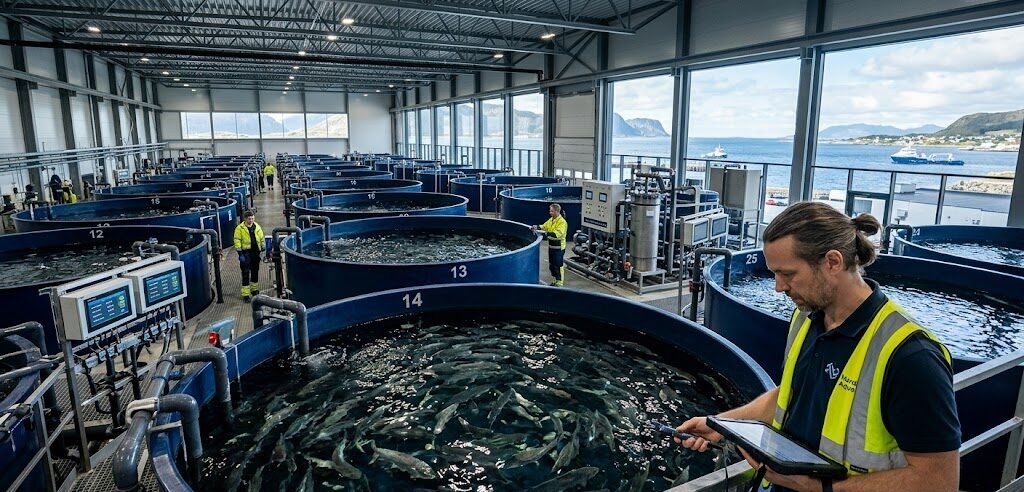
Land-based seafood farming, also known as land-based recirculating aquaculture systems (RAS), involves the cultivation of fish and shellfish in controlled indoor environments rather than open ocean nets. These facilities utilize advanced water treatment technologies, artificial lighting, and precise climate control to create optimal growing conditions for aquatic species.
Unlike traditional aquaculture operations, land-based farms operate in closed-loop systems where water is continuously recycled and purified. This innovative approach minimizes water consumption, reduces waste, and eliminates the risk of disease transmission to wild fish populations. The technology has evolved significantly over the past decade, making it increasingly viable for commercial-scale operations.
Environmental Benefits of Land-Based Farming
Land-based seafood farming addresses numerous environmental concerns associated with conventional aquaculture practices:
- Reduced Water Pollution: Closed-loop systems prevent nutrient-rich wastewater from contaminating natural water bodies, protecting marine ecosystems from harmful algal blooms and dead zones.
- Minimal Water Usage: Recirculating systems use up to 99% less water compared to traditional aquaculture, making them ideal for regions facing water scarcity.
- Zero Escape Risk: Land-based facilities eliminate the possibility of farmed fish escaping into wild populations, preventing genetic contamination and disease transmission.
- Reduced Chemical Dependency: Controlled environments decrease the need for antibiotics and pesticides, promoting healthier seafood products and protecting aquatic ecosystems.
- Lower Carbon Footprint: Proximity to consumer markets reduces transportation emissions, while energy-efficient systems continue to improve sustainability metrics.
Economic Advantages and Industry Growth
Beyond environmental benefits, land-based seafood farming presents compelling economic opportunities. The global land-based aquaculture market has experienced rapid growth, with increasing investment from both venture capital and established seafood companies. Key economic advantages include:
- Reduced operating costs through improved feed efficiency and disease prevention
- Premium pricing opportunities for sustainably-produced seafood
- Job creation in local communities, particularly in rural areas
- Decreased dependency on volatile wild-catch markets
- Ability to operate in diverse geographic locations, including landlocked regions
Technological Innovations Driving the Sector
Continuous technological advancement is making land-based aquaculture increasingly efficient and economically viable. Modern RAS facilities incorporate:
- Advanced Biofilter Systems: Utilizing beneficial bacteria to convert toxic ammonia into less harmful nitrates, maintaining water quality without frequent water changes.
- Artificial Intelligence and Monitoring: Sensor technology and machine learning algorithms optimize feeding schedules, water quality parameters, and growth conditions in real-time.
- Energy-Efficient Systems: LED lighting, heat recovery systems, and renewable energy integration reduce operational costs and environmental impact.
- Selective Breeding Programs: Development of species optimized for land-based farming conditions, improving yield and sustainability.
Species Suitable for Land-Based Farming
While land-based aquaculture can accommodate various species, certain varieties prove particularly well-suited for controlled environments. Currently viable options include:
- Atlantic salmon and other cold-water species
- Barramundi and tropical fish varieties
- Shrimp and other crustaceans
- Oysters and other shellfish
- Tilapia and other warm-water species
As technology advances, the range of commercially viable species continues to expand, offering diverse product options for global markets.
Challenges and Considerations
Despite its promise, land-based seafood farming faces several significant challenges:
- Initial Capital Requirements: High upfront infrastructure costs create barriers to entry for smaller operations and developing nations.
- Energy Consumption: While improving, maintaining controlled environments remains energy-intensive, requiring renewable energy solutions for true sustainability.
- Technical Expertise: Operating sophisticated RAS facilities demands specialized knowledge and skilled workforce development.
- Regulatory Framework: Inconsistent regulations across jurisdictions create uncertainty for investors and operators.
- Feed Production: Developing sustainable, plant-based feeds remains an ongoing research priority.
Regulatory Landscape and Food Safety
Land-based aquaculture facilities benefit from stringent regulatory oversight, often exceeding requirements for conventional farms. Controlled environments enable comprehensive monitoring of water quality, fish health, and product safety. This transparency and control reduce foodborne illness risks and facilitate rapid response to potential contamination issues.
As regulatory frameworks continue to develop worldwide, land-based farming is establishing itself as a premium, highly-regulated sector with superior food safety credentials compared to traditional aquaculture operations.
The Role of Sustainability Certification
Sustainability certification programs, such as the Best Aquaculture Practices (BAP) and Aquaculture Stewardship Council (ASC), are increasingly important for land-based operations. These certifications validate environmental and social responsibility claims, providing consumers with confidence and retailers with assurance regarding product origins and farming practices.