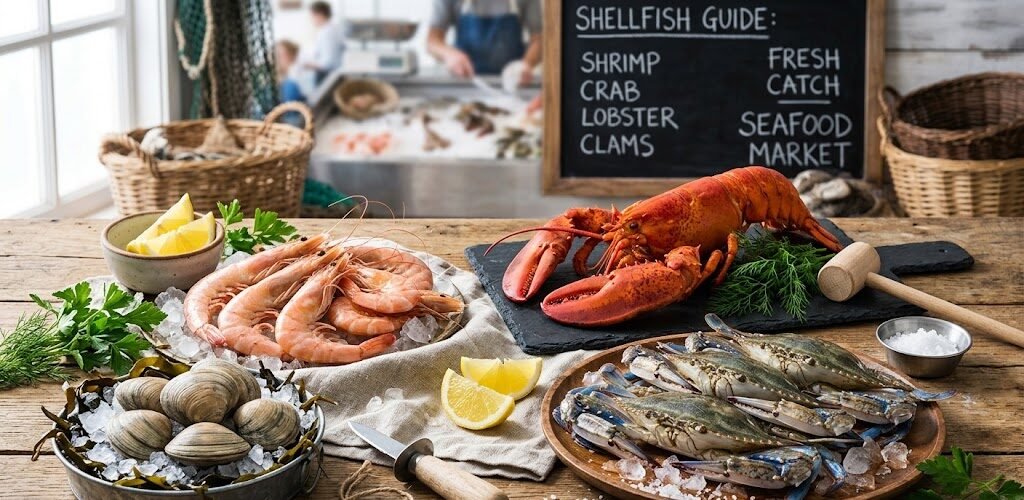
Understanding Shellfish: A Comprehensive Guide
Shellfish represent one of the most diverse and nutritious food sources available to consumers worldwide. These aquatic creatures, characterized by their hard outer shells, have been harvested and enjoyed for centuries across numerous cultures. This comprehensive guide explores four of the most popular shellfish varieties: shrimp, crab, lobster, and clams, providing essential information about their characteristics, nutritional benefits, and culinary applications.
Shrimp: The Versatile Crustacean
Shrimp are small crustaceans that belong to the decapod family, characterized by their elongated bodies and curved tails. Available in numerous species and sizes, shrimp are among the most consumed shellfish globally, offering remarkable versatility in the kitchen.
Characteristics and Varieties
Shrimp species vary significantly in size, color, and flavor profile. Common varieties include white shrimp, brown shrimp, pink shrimp, and tiger shrimp, each offering distinct taste experiences. These creatures are available year-round, either fresh or frozen, and are sourced from both wild-caught and farm-raised environments.
Nutritional Benefits
Shrimp provide exceptional nutritional value despite their small size. Rich in high-quality protein, omega-3 fatty acids, and essential minerals such as selenium and zinc, shrimp support cardiovascular health and immune function. A three-ounce serving contains approximately 18 grams of protein while remaining relatively low in calories.
Culinary Applications
The adaptability of shrimp in various cuisines makes them invaluable to home cooks and professional chefs alike. They can be grilled, boiled, sautéed, or fried, and are featured prominently in dishes ranging from Asian stir-fries to Mediterranean pasta preparations.
Crab: The Delicious Decapod
Crabs are crustaceans characterized by their broad, flat bodies, ten legs, and prominent claws. Widely appreciated for their sweet, tender meat, crabs are available in numerous species, each with unique flavor profiles and textures.
Popular Crab Species
The Dungeness crab, known for its sweet flavor and generous meat portions, ranks among North America’s most valued varieties. Blue crabs, particularly abundant along the Atlantic coast, offer a slightly briny taste. Stone crabs and king crabs represent other premium options, each commanding premium prices due to their exceptional meat quality and limited availability.
Nutritional Profile
Crab meat delivers substantial nutritional benefits, providing high-quality protein, B vitamins, and mineral content. Particularly rich in copper and selenium, crab supports cognitive function and provides antioxidant protection. The meat also contains beneficial omega-3 fatty acids, promoting heart health.
Selection and Preparation
When selecting live crabs, choose specimens that exhibit vigorous movement and responsive behavior. Cooked crab should emit a fresh, ocean-like aroma. Preparation methods include steaming, boiling, and grilling, with the meat suitable for use in salads, soups, pasta dishes, and traditional crab cakes.
Lobster: The Premium Shellfish
Lobsters represent one of the most prized shellfish varieties, commanding premium prices and regarded as luxurious dining options. These large crustaceans feature elongated bodies, substantial claws, and delicate, tender meat highly sought by culinary enthusiasts.
Lobster Varieties and Characteristics
American lobsters, primarily harvested from Maine’s cold Atlantic waters, are the most commercially significant variety. European lobsters offer slightly different flavor characteristics, while spiny lobsters, lacking the prominent claws of their American counterparts, provide alternatives in warmer waters.
Nutritional Advantages
Lobster meat is remarkably lean and protein-rich, providing essential amino acids necessary for muscle development and maintenance. Despite their luxurious reputation, lobsters contain minimal fat while offering significant quantities of vitamin B12, selenium, and other micronutrients supporting metabolic function and immune health.
Preparation Techniques
Traditionally, lobster is prepared through steaming or boiling, with the meat subsequently extracted and enjoyed simply with melted butter or incorporated into sophisticated preparations. Grilling, broiling, and pan-searing techniques provide alternative cooking methods suitable for various culinary applications.
Clams: The Bivalve Treasure
Clams are bivalve mollusks characterized by their hinged, rounded shells. These shellfish inhabit both ocean and freshwater environments and offer distinct flavors varying by species and geographic origin.
Clam Species and Distinctions
Hard-shell clams, including littleneck, cherrystone, and topneck varieties, provide options suitable for different culinary purposes. Soft-shell clams, steamer clams, and Manila clams present alternative choices with varying flavor intensities and textures. Geoduck clams, renowned for their large size, represent another specialty option.
Nutritional Content
Clams deliver impressive nutritional density, containing significant iron content crucial for oxygen transport and cellular energy production. They provide vitamin B12, essential for neurological function, alongside beneficial omega-3 fatty acids and quality protein. These attributes make clams particularly valuable dietary components for individuals seeking nutritional density in smaller portions.
Culinary Versatility
Clams accommodate numerous preparation methods, including steaming, grilling, frying, and incorporation into pasta sauces and chowders. Their sweet brininess complements both simple, minimalist preparations and complex, multi-component dishes. Fresh clams should be tightly closed, indicating their viability, and should be consumed within several days of purchase.