
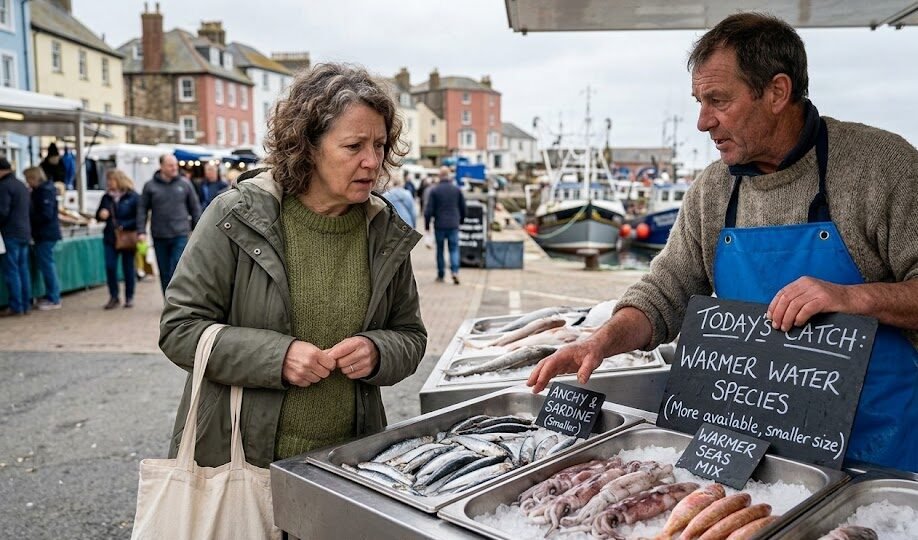
Understanding the Crisis: Climate Change and Our Oceans
The global seafood supply chain faces an unprecedented challenge as climate change fundamentally alters marine ecosystems worldwide. Rising ocean temperatures, changing currents, and shifting weather patterns are reshaping where fish populations migrate, how they reproduce, and ultimately, how much seafood reaches our tables. This environmental transformation threatens food security for billions of people who depend on seafood as a primary protein source.
Rising Ocean Temperatures and Fish Migration
One of the most significant impacts of climate change on seafood supply is the warming of ocean waters. Fish species are highly sensitive to temperature changes and tend to migrate toward cooler waters as their habitats become inhospitable. This phenomenon is already observable in major fishing regions, where traditional fishing grounds are experiencing declining catches.
Commercial fish species such as cod, haddock, and flounder are relocating northward and to greater depths in search of suitable temperatures. This migration disrupts established fishing industries that have operated in the same regions for generations, particularly affecting communities in northern Europe and North America that have built economies around specific fish stocks.
Ocean Acidification and Marine Life
Climate change drives increased atmospheric carbon dioxide, which the oceans absorb at alarming rates. This process, known as ocean acidification, alters the chemistry of seawater and poses serious threats to marine life:
- Shellfish larvae struggle to develop shells in acidified waters
- Coral reefs, which serve as nurseries for many commercial fish species, face bleaching and death
- Pteropods and other plankton species experience reduced reproduction rates
- The food web that supports larger fish populations becomes destabilized
These cascading effects diminish the availability of seafood species that humans rely upon for nutrition and economic livelihood.
Disruption of Breeding and Spawning Cycles
Many fish species depend on precise environmental conditions for successful reproduction. Climate change alters the timing of seasonal events, creating mismatches between when fish spawn and when their food sources are available. This phenomenon, called phenological mismatch, can significantly reduce recruitment rates and overall population sustainability.
Additionally, altered precipitation patterns and freshwater flows affect estuaries and coastal breeding grounds where many commercially important species, including salmon and shrimp, depend on for early development stages.
Economic Consequences for Fishing Communities
The impact of climate change on seafood supply extends beyond environmental concerns to create serious economic disruptions. Small-scale fishing communities, particularly in developing nations, face reduced catches and declining incomes. The International Labour Organization estimates that climate change could displace millions of fishery workers globally.
Key economic impacts include:
- Decreased catch volumes leading to reduced revenues
- Increased fuel costs as fishers travel farther to find fish
- Damage to fishing infrastructure from extreme weather events
- Rising insurance and operational costs
- Loss of cultural heritage and traditional livelihoods
Regional Variations in Seafood Supply Impact
Climate change does not affect all regions equally. Some areas experience more severe disruptions than others, creating unequal global impacts on food security:
Tropical and Subtropical Regions: Countries in Southeast Asia, West Africa, and the Pacific Islands face the greatest threats to seafood supply. These regions already experience warm waters approaching the upper tolerance limits of many fish species, leaving little room for further temperature increases.
High Latitude Regions: While some Arctic and subarctic regions may initially benefit from new fishing opportunities as ice melts and previously inaccessible areas open up, the overall long-term sustainability of these new fisheries remains uncertain.
Temperate Zones: Mid-latitude fishing regions experience complex changes, with some species declining while others become more abundant, creating winners and losers in the fishing industry.
The Role of Aquaculture in Addressing Supply Challenges
As wild-caught seafood supplies become increasingly unreliable, aquaculture (fish farming) is expanding to meet global demand. However, this expansion comes with its own climate-related challenges and environmental concerns:
- Fish farms require feed from wild-caught fish, placing pressure on remaining wild stocks
- Warming waters increase disease and parasite outbreaks in farmed fish populations
- Pollution from aquaculture operations damages local ecosystems
- Energy-intensive farming practices contribute to climate change
Sustainable aquaculture practices and technological innovations are essential to address these challenges effectively.
Adaptive Strategies and Solutions
While the challenges are significant, various adaptation and mitigation strategies are being developed and implemented:
- Fisheries Management: Dynamic management approaches that adjust catch limits based on real-time population data can help maintain stock sustainability
- Marine Protected Areas: Establishing and expanding marine reserves allows fish populations to rebuild and develop resilience
- Diversification: Encouraging fishing communities to target multiple species reduces vulnerability to single-stock collapses
- Technology Transfer: Developing climate-resilient aquaculture and fishing methods
- Policy Support: International cooperation on emissions reduction and ocean governance
Looking Forward: The Path to Resilience
Addressing climate change’s impact on global seafood supply requires coordinated international action combining climate mitigation, sustainable fisheries management, and support for vulnerable communities. Reducing greenhouse gas emissions remains the most critical long-term solution, as it addresses the root cause of ocean warming and acidification.
Simultaneously, governments and industry stakeholders must invest in research, technology, and infrastructure to help fishing communities adapt to changing conditions. Supporting alternative livelihoods, improving market access for sustainable seafood, and promoting equitable distribution of resources are essential components of a comprehensive response.