
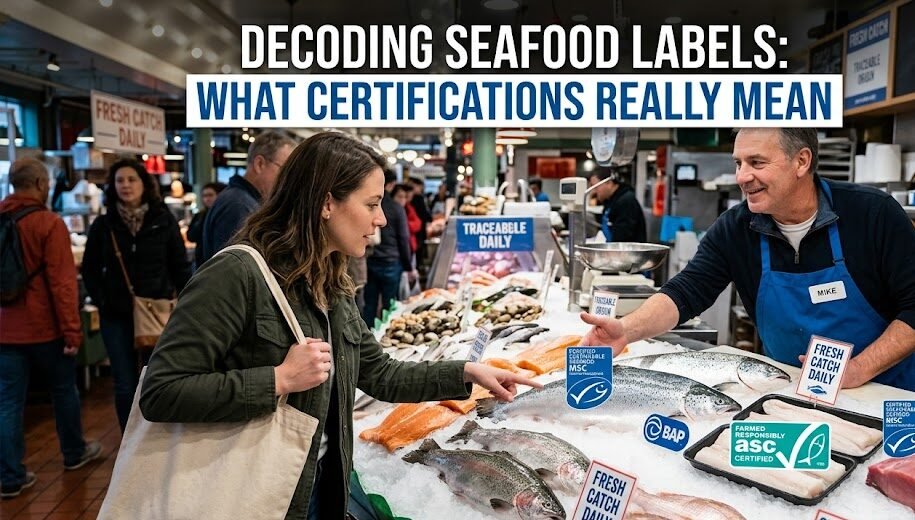
The seafood industry has become increasingly complex, with numerous certifications and labels appearing on packaging at retail stores worldwide. For consumers seeking sustainable, safe, and ethically sourced seafood, understanding these certifications is essential. This comprehensive guide decodes the most significant seafood labels and explains what their certifications truly mean for your purchasing decisions.
Understanding Seafood Certification Systems
Seafood certifications serve multiple purposes, including verifying sustainability practices, ensuring food safety standards, and confirming ethical sourcing methods. However, not all certifications carry equal weight or authority. Understanding the differences between third-party verified certifications and industry-sponsored labels is crucial for making informed choices.
Major Seafood Certifications Explained
Marine Stewardship Council (MSC) Certification
The Marine Stewardship Council certification is one of the most recognized seafood labels globally. This third-party certification verifies that seafood comes from fisheries meeting strict environmental standards. MSC-certified fisheries must demonstrate that their practices maintain fish populations, minimize environmental impact, and operate under effective management systems. The blue MSC label indicates wild-caught seafood that has undergone rigorous assessment and traceability verification throughout the supply chain.
Aquaculture Stewardship Council (ASC) Certification
For farmed seafood, the Aquaculture Stewardship Council certification provides independent verification of responsible aquaculture practices. ASC certification ensures that farms meet environmental standards, protect natural ecosystems, and treat workers fairly. This certification addresses concerns about habitat destruction, disease management, and chemical use in aquaculture operations. The ASC label specifically applies to farmed fish and seafood products, distinguishing it from wild-catch certifications.
Best Aquaculture Practices (BAP) Certification
The Best Aquaculture Practices certification focuses on quality and safety aspects of farmed seafood production. BAP certification verifies food safety protocols, traceability systems, and environmental responsibility at farms and processing facilities. While ASC emphasizes environmental stewardship, BAP places greater emphasis on operational standards and product quality assurance throughout the supply chain.
Regional and Specialty Certifications
Friend of the Sea Certification
Friend of the Sea provides independent certification for both wild-caught and farmed seafood. This certification verifies sustainable fishing practices and responsible aquaculture operations. The organization’s standards address bycatch reduction, habitat protection, and worker welfare. Friend of the Sea operates globally and maintains strict audit procedures to ensure compliance among certified operations.
Seafood Watch Program
Operated by the Monterey Bay Aquarium, Seafood Watch provides science-based recommendations rather than direct product certification. The program publishes regional seafood guides rating species as “Best Choices,” “Good Alternatives,” or “Avoid” based on sustainability considerations. While not a certification label on products, Seafood Watch serves as a valuable consumer resource for making sustainable purchasing decisions.
FishWise Certification
FishWise certification addresses sustainability and transparency in seafood supply chains. This certification verifies responsible sourcing practices, traceability systems, and environmental compliance. FishWise conducts regular audits to ensure ongoing adherence to sustainability standards and maintains transparency regarding certified products and their origins.
Understanding Label Claims
Wild-Caught vs. Farmed Labels
Seafood labels must clearly distinguish between wild-caught and farmed products. Wild-caught seafood comes from natural fish populations harvested through fishing operations. Farmed seafood is produced in controlled aquaculture environments. Neither category is inherently superior; however, the sustainability implications differ significantly based on species, location, and management practices. Certifications help consumers identify responsible operations within each category.
Sustainability Claims Without Certification
Some seafood products display sustainability claims without third-party certification backing these assertions. Labels such as “sustainably sourced” or “environmentally friendly” require scrutiny, as manufacturers can make these claims with minimal verification. Consumers should prioritize independently verified certifications from recognized organizations over unsubstantiated marketing claims.
Country of Origin and Traceability Standards
Seafood labeling regulations require clear identification of product origin and catch or harvest location. These requirements enable consumers to research fishing practices in specific regions and make informed decisions based on local environmental standards. Traceability systems connected to certification programs allow consumers to track seafood from harvest through processing to retail, ensuring supply chain integrity.
Food Safety Certifications
HACCP Certification
The Hazard Analysis and Critical Control Points (HACCP) system represents an internationally recognized food safety management approach. HACCP certification verifies that seafood processing facilities implement systematic procedures to identify and control potential safety hazards. This certification ensures that seafood products meet rigorous food safety standards throughout handling and processing.
FDA Seafood HACCP Compliance
In the United States, the Food and Drug Administration requires seafood processors to implement HACCP-based systems. FDA Seafood HACCP compliance ensures that domestically processed seafood and imported products meet stringent food safety requirements. This regulatory framework protects consumers from microbial contamination and chemical hazards.
How to Navigate Seafood Labels at the Store
When shopping for seafood, prioritize products bearing recognized third-party certifications such as MSC, ASC, or BAP. Check for certification logos and research organizations behind unfamiliar labels. Review country of origin information, as fishing practices and regulations vary significantly across regions. Compare certified products when available, though certification availability may vary by species and location. Finally, consult resources like Seafood Watch when uncertain about specific species sustainability status.
The Role of Certifications in Industry Improvement
Seafood certifications drive positive change within the fishing and aquaculture industries by establishing performance standards and creating market incentives for responsible practices. Producers pursuing certification must implement environmental protections, improve labor conditions, and enhance transparency. This market-based approach encourages industry-wide improvements as companies recognize consumer demand for certified sustainable seafood.