
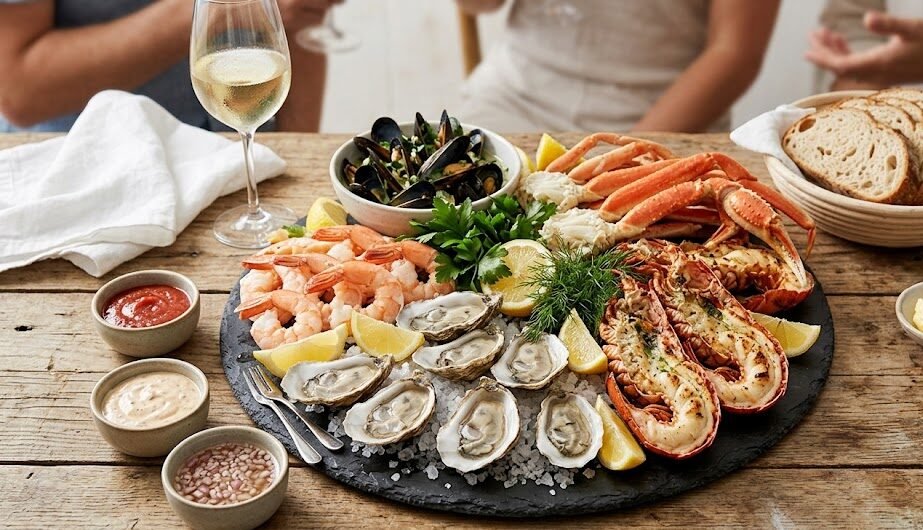
Understanding the Foundations of an Exceptional Seafood Platter
A well-constructed seafood platter represents more than a simple assembly of ingredients; it is a carefully curated culinary experience that balances flavors, textures, and visual appeal. The foundation of an exceptional seafood platter begins with understanding the fundamental principles that guide professional presentation and taste composition.
The success of your seafood platter depends on several critical factors, including ingredient quality, proper selection of complementary items, appropriate portion sizing, and thoughtful presentation. By mastering these elements, you can create an impressive display that satisfies both the palate and the eye.
Selecting Premium Seafood Components
The quality of your raw materials directly impacts the final result. When building your seafood platter, prioritize sourcing the freshest seafood available from reputable suppliers. Look for clear eyes in whole fish, firm flesh that springs back when touched, and a clean oceanic aroma rather than a pungent fishy smell.
Consider incorporating a diverse array of seafood types to create visual interest and flavor variety. A well-rounded platter typically includes:
- Oysters and clams for a briny, mineral quality
- Shrimp or prawns for sweet, delicate flavor
- Smoked salmon for richness and complexity
- Crab or lobster pieces for substantial texture
- Mussels for earthiness and visual appeal
- Scallops for tender, buttery notes
Designing Your Platter Layout
The visual presentation of your seafood platter significantly influences the dining experience. Arrange your seafood components with intentional spacing and thoughtful consideration of color contrasts. Place items of varying heights and shapes throughout the platter to create dynamic visual interest.
Position larger, more substantial items as focal points and fill negative spaces with smaller components. This hierarchical arrangement guides the eye naturally across the platter and encourages systematic exploration of all offerings.
Incorporating Complementary Garnishes and Accompaniments
Strategic use of garnishes and accompaniments elevates your seafood platter from adequate to exceptional. These elements serve both aesthetic and functional purposes, enhancing flavors and providing textural contrast.
Essential accompaniments for a professional seafood platter include:
- Fresh lemon and lime wedges for citrus brightness
- Cocktail sauce, remoulade, and mignonette dressings
- Horseradish for pungent, cleansing qualities
- Crushed ice for temperature maintenance and visual appeal
- Fresh herbs such as dill, parsley, and cilantro
- Crispy crackers or toasted bread points
- Edible flowers or microgreens for refined presentation
Managing Temperature and Food Safety
Proper temperature control is essential for both food safety and optimal flavor preservation. Raw seafood must be kept at appropriate cold temperatures throughout service to prevent bacterial growth and maintain quality.
Utilize crushed ice as both a cooling medium and decorative element. Arrange ice in a bed beneath your platter, ensuring adequate contact with all components. Replace ice regularly throughout service to maintain consistent temperature. Keep backup portions refrigerated and rotate items onto the platter strategically to ensure everything remains at peak freshness.
Establishing Proper Proportions and Balance
Achieving the ideal balance in your seafood platter requires understanding appropriate portion sizes and ingredient ratios. Calculate portions based on your guest count and whether the platter serves as an appetizer or primary course component.
A general guideline suggests allocating approximately 4-6 ounces of seafood per person for an appetizer platter, increasing to 8-10 ounces for a more substantial offering. Ensure variety is distributed evenly throughout the platter, avoiding overemphasis on any single component.
Creating Flavor Harmony Through Careful Pairings
The most sophisticated seafood platters achieve harmony through thoughtful flavor pairing. Consider how different components interact with one another and with accompanying sauces and garnishes.
Delicate items such as scallops and white fish pair well with light, buttery accompaniments and subtle citrus notes. Richer items like smoked salmon and crab benefit from more assertive flavors including horseradish, cocktail sauce, and robust herbs. Use this understanding to guide the spatial arrangement of your platter, strategically positioning items to encourage complementary flavor combinations.
Final Presentation and Service Considerations
The moment preceding service represents your final opportunity to ensure excellence. Conduct a thorough visual inspection, adjusting spacing and arrangement as needed. Verify that all sauces and accompaniments are readily accessible and properly labeled when necessary for dietary or allergen considerations.
Present your seafood platter with confidence, and consider brief explanations of premium or unusual items to enhance the dining experience. Proper serving utensils and small plates should be readily available to facilitate easy consumption.
Conclusion
Building the perfect seafood platter represents a combination of culinary knowledge, attention to detail, and creative presentation. By prioritizing ingredient quality, thoughtful arrangement, appropriate accompaniments, and proper food safety practices, you can create an impressive display that delights guests and reflects your commitment to excellence. Whether preparing for a special occasion or professional event, these principles will guide you in constructing a seafood platter that is both memorable and delicious.