Introduction to Seafood Meal Prep
In today’s fast-paced world, finding time to prepare nutritious meals during busy weeknights can feel overwhelming. However, seafood meal prep offers an excellent solution for professionals, parents, and anyone seeking to maintain a healthy diet without sacrificing convenience. Seafood is not only rich in essential omega-3 fatty acids, high-quality protein, and vital nutrients but also remarkably versatile and quick to prepare. This comprehensive guide will walk you through practical strategies for incorporating seafood meal prep into your weekly routine, ensuring you always have delicious, wholesome meals ready to enjoy.
Benefits of Seafood Meal Preparation
Seafood meal prep delivers numerous advantages that extend beyond simple time management. By preparing meals in advance, you gain better control over portion sizes and nutritional intake, which can support weight management and overall wellness goals. Additionally, seafood is an excellent source of lean protein with minimal saturated fat content, making it ideal for health-conscious individuals.
The economic benefits are equally noteworthy. Buying seafood in bulk and preparing it strategically can reduce food waste and lower your overall grocery expenses. Furthermore, having prepared seafood meals readily available diminishes the temptation to order takeout or consume processed convenience foods, ultimately supporting both your health and your budget.
Selecting the Right Seafood for Meal Prep
Choosing appropriate seafood varieties is crucial for successful meal preparation. Not all seafood performs equally well when prepared in advance and stored for several days. The following options are particularly well-suited for meal prep purposes:
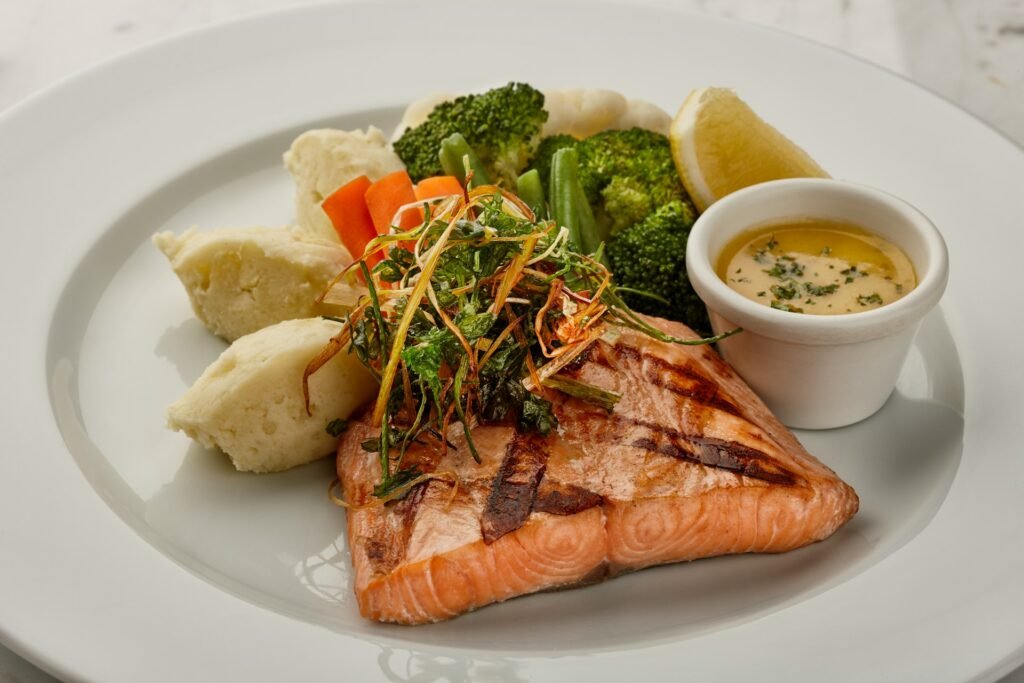
- Salmon: This versatile fish maintains excellent texture and flavor after refrigeration and can be prepared through various cooking methods including baking, grilling, or pan-searing.
- Cod: A mild, flaky white fish that pairs well with numerous seasonings and sauces, making it ideal for diverse meal combinations throughout the week.
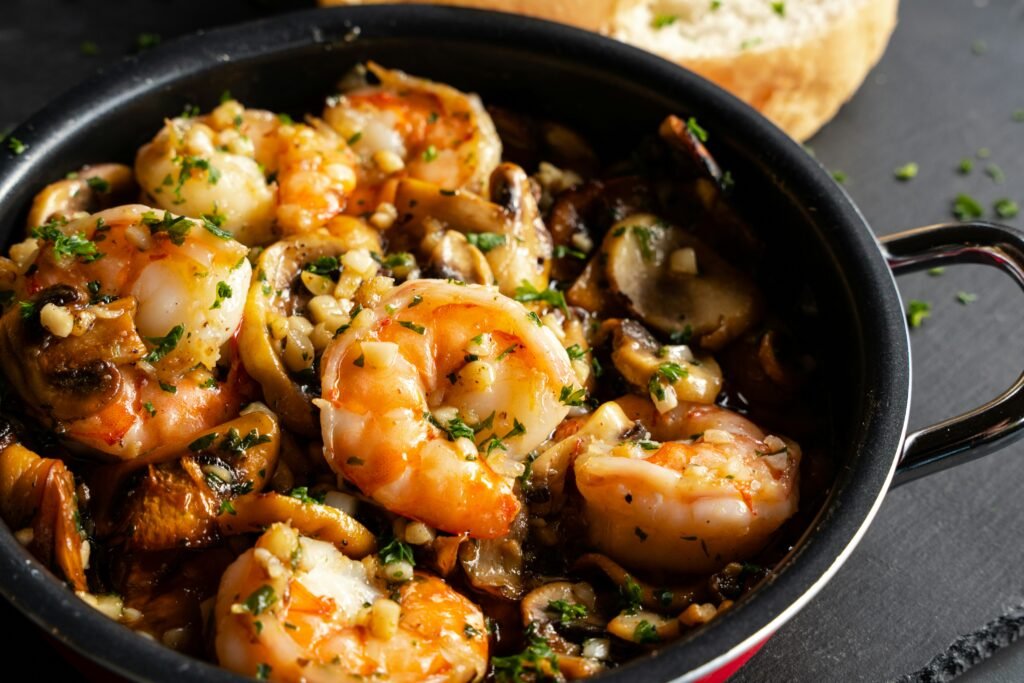
- Shrimp: Quick-cooking and adaptable, shrimp works wonderfully in salads, grain bowls, pasta dishes, and stir-fries.
- Tilapia: An affordable and mild-flavored option that cooks rapidly and absorbs seasonings effectively.
- Tuna: Excellent for salads and grain bowls, tuna remains stable when properly stored and prepared.
Essential Seafood Meal Prep Equipment
Having the right tools makes the meal prep process significantly more efficient and enjoyable. Invest in quality equipment including sharp knives for precise cutting, cutting boards to prevent cross-contamination, sheet pans for batch cooking, airtight glass containers for proper storage, and reliable food thermometers to ensure seafood reaches safe internal temperatures. These foundational tools will streamline your preparation process and contribute to consistently excellent results.
Step-by-Step Seafood Meal Prep Process
Planning Your Weekly Menu
Begin your meal prep journey by planning your weekly menu. Select two to three seafood varieties and decide on cooking methods and flavor profiles that appeal to you. This strategic planning prevents decision fatigue during busy weeknights and ensures ingredient compatibility with your pantry staples.
Shopping and Ingredient Selection
With your menu established, create a comprehensive shopping list including your chosen seafood and supporting ingredients such as fresh vegetables, grains, herbs, and seasonings. Purchase seafood from reputable sources and plan to prepare it within one to two days of purchase for optimal freshness and safety.
Preparation and Cooking
Set aside a dedicated meal prep period, typically two to three hours on a weekend day. Begin by cleaning and patting dry all seafood to remove excess moisture, which promotes even cooking and better browning. Season your selections generously and cook using your preferred methods. Baking at 400 degrees Fahrenheit typically takes twelve to fifteen minutes for most fish fillets, while shrimp requires only three to five minutes.
Cooling and Storage
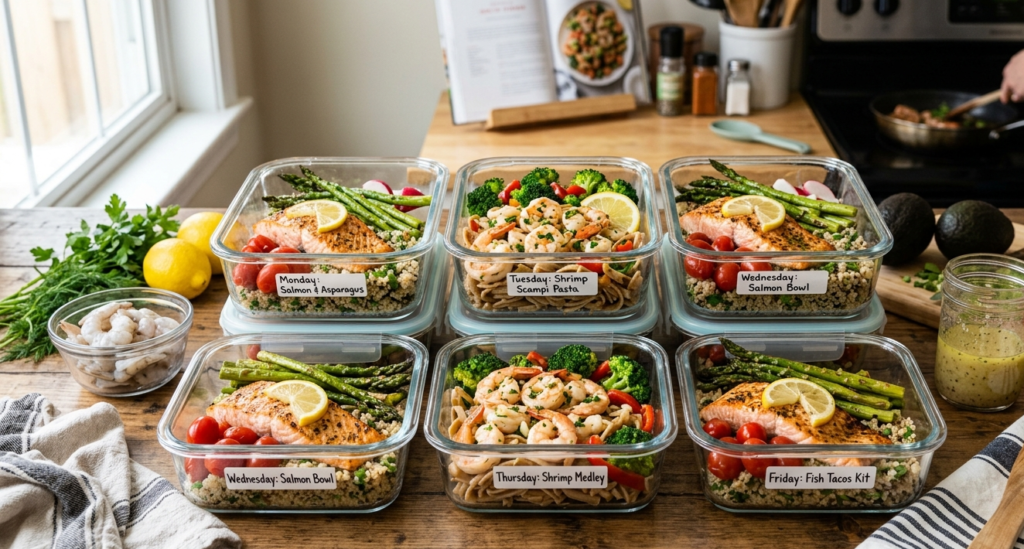
Allow cooked seafood to cool completely before transferring it to airtight containers. Proper storage is essential for food safety and maintaining quality. Refrigerated seafood meals remain safe to consume for three to four days, while properly frozen preparations can be stored for up to three months.
Simple Seafood Meal Prep Ideas
Mediterranean Salmon Bowls
Combine herb-roasted salmon with quinoa, cherry tomatoes, cucumber, kalamata olives, and feta cheese. Prepare a simple lemon-olive oil dressing to drizzle over the components just before eating. This combination provides excellent nutritional balance with healthy fats, complete proteins, and abundant vegetables.
Asian-Inspired Shrimp Stir-Fry
Cook shrimp with soy sauce, ginger, and garlic, then combine with a colorful array of vegetables including broccoli, bell peppers, and snap peas. Serve over brown rice or cauliflower rice for a flexible, satisfying meal option.
Lemon Herb Cod with Roasted Vegetables
Prepare baked cod seasoned with fresh lemon, dill, and thyme alongside roasted seasonal vegetables such as Brussels sprouts, carrots, and sweet potatoes. This classic combination offers simplicity, nutrition, and delicious flavor.
Tuna Salad Containers
Mix canned or fresh tuna with Greek yogurt, diced celery, red onion, and fresh herbs. Pack alongside whole-grain crackers, fresh fruit, and raw vegetables for a flexible lunch option.
Storage Tips and Food Safety
Proper storage practices are paramount when working with seafood. Always use airtight, glass containers to prevent odor transfer and maintain freshness. Label containers with preparation dates to facilitate proper rotation. Store seafood on the lowest shelf of your refrigerator to prevent cross-contamination with other foods.