Understanding Sustainable Seafood
Sustainable seafood refers to fish and shellfish that are caught or farmed in ways that maintain healthy ocean ecosystems and fish populations for future generations. As global seafood consumption continues to rise, understanding the environmental impact of our dietary choices has become increasingly important. The fishing industry significantly influences marine biodiversity, and making informed purchasing decisions can contribute to the preservation of ocean health.
Why Sustainable Seafood Matters
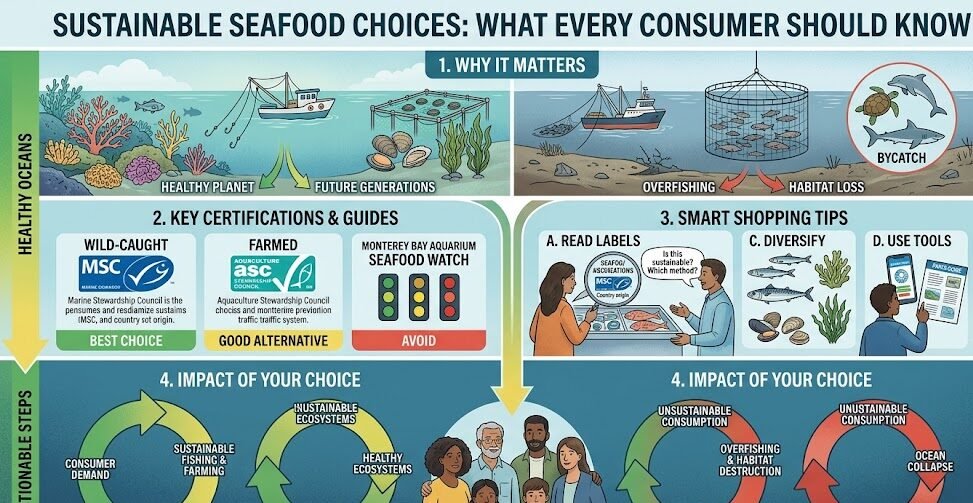
The world’s oceans face unprecedented challenges, including overfishing, habitat destruction, and bycatch. When fish populations are harvested faster than they can reproduce, it leads to ecosystem imbalance and threatens the long-term viability of fisheries. Additionally, certain fishing methods can damage seafloor habitats and harm non-target species. By choosing sustainable seafood, consumers directly support fishing practices that minimize these negative environmental impacts while ensuring the continued availability of seafood for future generations.
Environmental Benefits
- Preservation of fish population numbers and genetic diversity
- Protection of marine habitats and ecosystems
- Reduction of bycatch and harm to non-target species
- Lower carbon footprint through responsible fishing practices
- Support for marine conservation efforts
How to Identify Sustainable Seafood
Several certification programs and labeling systems help consumers identify sustainable seafood options. Familiarizing yourself with these standards is essential for making responsible choices at the market or restaurant.
Key Certification Labels
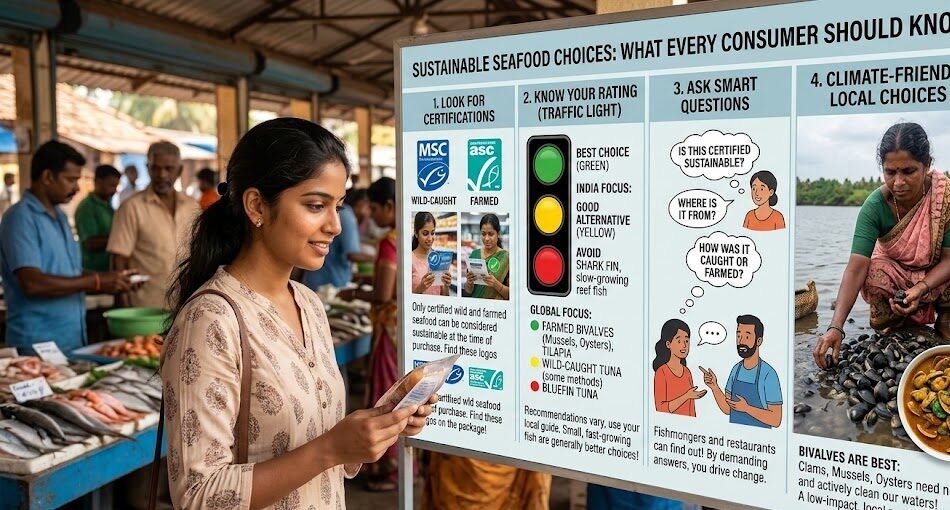
Marine Stewardship Council (MSC): The MSC certification is one of the most widely recognized sustainable fishing standards globally. Products bearing the MSC blue fish label have been certified to come from fisheries that meet rigorous environmental and social standards.
Aquaculture Stewardship Council (ASC): For farmed seafood, the ASC certification indicates that the farm operates responsibly, minimizing environmental impact and ensuring worker welfare. The ASC label demonstrates that farmed fish and shellfish meet high sustainability standards.
Best Aquaculture Practices (BAP): This certification focuses on responsible aquaculture practices, including environmental management, food safety, and social responsibility. BAP-certified farms maintain high standards for water quality and waste management.
Additional Resources for Consumers
- Seafood Watch: Provides detailed guides on which species are sustainable and which should be avoided
- Monterey Bay Aquarium: Offers a free app to help identify sustainable seafood choices while shopping
- FishChoice: Delivers comprehensive information about seafood sourcing and sustainability practices
Best Sustainable Seafood Choices
Certain fish species are considered more sustainable due to their abundance, fast reproduction rates, or responsible fishing methods. Incorporating these options into your diet supports sustainable fisheries.
Recommended Sustainable Species
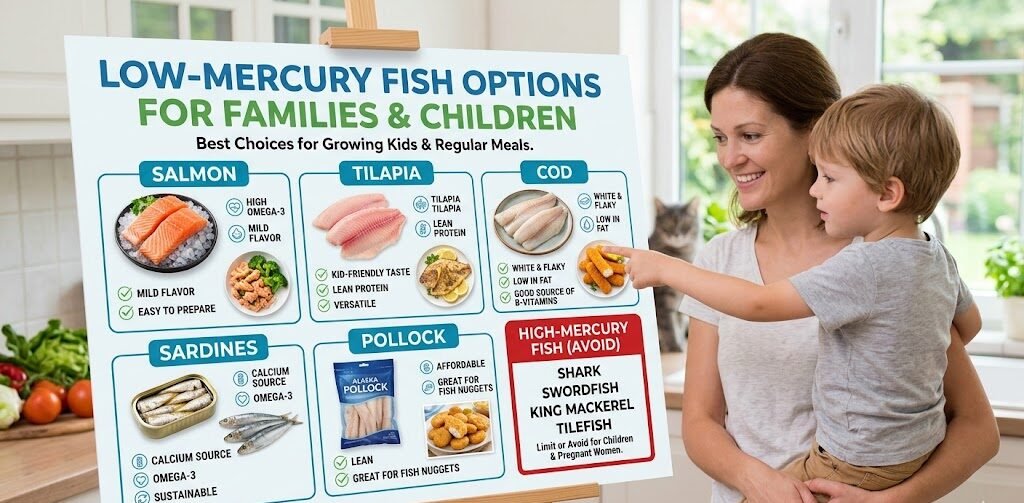
- Mackerel: Fast-growing, abundant species with low contamination levels
- Sardines and Anchovies: Small fish with healthy populations and minimal environmental impact
- Alaskan Salmon: Wild-caught with strict management and monitoring systems
- Farmed Trout: ASC-certified farms offer responsible production methods
- Mussels and Oysters: Filter-feeders that require no additional feed and improve water quality
- Pollock: Abundant species with well-managed fisheries
- Clams and Scallops: Sustainable when harvested responsibly
Seafood Species to Avoid or Limit
Certain species face overfishing pressures or are caught using environmentally harmful methods. Reducing consumption of these species helps protect vulnerable populations and ecosystems.
Species of Concern
- Atlantic Bluefin Tuna: Severely overfished with declining populations
- Atlantic Cod: Populations have not fully recovered from historical overfishing
- Sharks: Slow reproduction rates make them vulnerable to overfishing
- Atlantic Salmon: Wild populations are endangered due to various environmental factors
- Orange Roughy: Extremely slow-growing fish with long lifespans make recovery difficult
- Patagonian Toothfish: Threatened by illegal fishing practices
Considerations for Farmed Versus Wild-Caught Seafood
Both wild-caught and farmed seafood have environmental advantages and drawbacks. Understanding these differences helps consumers make well-informed decisions.
Wild-Caught Seafood
Wild-caught fish populations rely on natural reproduction and ecosystem balance. When managed responsibly, wild fisheries can be sustainable. However, certain wild fisheries face overharvesting, and some fishing methods cause significant habitat damage and bycatch. Look for certifications such as MSC to identify responsibly managed wild fisheries.
Farmed Seafood
Aquaculture can reduce pressure on wild fish populations and provide a consistent supply. However, poorly managed farms can contribute to water pollution, disease transmission to wild populations, and feed conversion issues. ASC and BAP certifications indicate that farmed seafood comes from operations meeting high environmental and social standards. Always verify certification when purchasing farmed seafood.
Shopping Tips for Sustainable Seafood
Implementing practical strategies while shopping helps ensure you consistently choose sustainable seafood options.