The Rich Heritage of Mediterranean Seafood Cuisine
The Mediterranean region stands as one of the world’s most celebrated culinary destinations, with seafood traditions deeply rooted in thousands of years of history. Coastal communities spanning from Spain to Greece have developed sophisticated cooking techniques and flavor combinations that continue to influence modern gastronomy. These time-honored practices reflect not only the abundance of the sea but also the cultural values and environmental knowledge of Mediterranean peoples.
Historical Significance of Mediterranean Fishing
The fishing traditions of the Mediterranean basin date back to ancient civilizations, when maritime commerce and sustenance fishing formed the backbone of coastal economies. Archaeological evidence reveals that seafood preparation and preservation methods were integral to Greek, Roman, and Phoenician cultures. These early civilizations developed salt-curing, smoking, and fermentation techniques that allowed them to preserve their catches and establish thriving trade networks throughout the region.
The strategic location of Mediterranean ports enabled fishermen to access diverse marine ecosystems, resulting in a remarkable variety of seafood species incorporated into local diets. This geographical advantage fostered innovation in cooking techniques and created distinctive regional flavor profiles that persist today.
Key Seafood Species in Mediterranean Cooking
Mediterranean coastal cuisine showcases an impressive array of fish and shellfish species, each contributing unique characteristics to regional dishes:
- Mediterranean Sea Bass: Prized for its delicate white flesh, often prepared simply with olive oil and herbs
- Sardines and Anchovies: Smaller oily fish rich in omega-3 fatty acids, commonly salted or canned for extended storage
- Red Mullet: Considered a delicacy across the region, valued for its distinctive flavor and versatility
- Squid and Octopus: Tender when properly prepared, featuring prominently in Greek and Spanish cuisines
- Mussels and Clams: Abundant shellfish harvested from coastal beds, essential to traditional paella and seafood stews
- Swordfish and Tuna: Larger game fish that support substantial commercial fishing industries
Regional Cooking Techniques and Methods
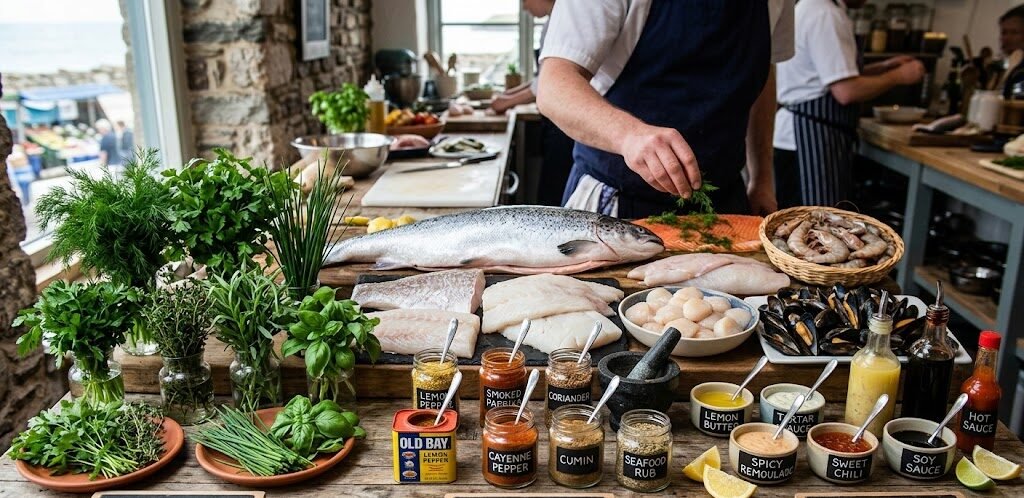
Mediterranean seafood preparation emphasizes simplicity while maximizing natural flavors. Grilling over open flames remains a fundamental technique, allowing the natural oils in fish to caramelize while developing complex smoky undertones. Coastal cooks have perfected the art of cooking whole fish with minimal intervention, often requiring nothing more than high-quality olive oil, fresh herbs, and sea salt.
Slow-cooking methods also play a crucial role in Mediterranean seafood traditions. Braises and stews allow flavors to meld while tenderizing tougher cuts of fish and shellfish. These preparations often incorporate tomatoes, garlic, onions, and regional herbs such as oregano, thyme, and rosemary—ingredients that define the Mediterranean flavor profile.
Preservation techniques continue to hold cultural and practical significance. Salt-curing creates the foundation for traditional dishes like Spanish mojama and Italian bottarga. Smoking, particularly prevalent in northern Mediterranean regions, develops concentrated flavors while extending shelf life. These time-honored methods represent sustainable practices that reduce waste and create products of exceptional quality.
The Role of Olive Oil and Fresh Ingredients
Olive oil serves as the fundamental ingredient binding Mediterranean seafood traditions together. This golden liquid enhances rather than masks natural fish flavors, providing richness and facilitating the development of complex taste profiles. Premium extra virgin olive oils are often reserved for finishing dishes, contributing fruity, peppery, or grassy notes that complement delicate seafood.
Fresh herbs grown throughout the Mediterranean—including basil, cilantro, oregano, and dill—add aromatic complexity to seafood preparations. Similarly, locally cultivated vegetables such as tomatoes, zucchini, eggplant, and peppers create balanced, nutritionally complete dishes. This commitment to seasonal, local ingredients reflects both ecological awareness and culinary excellence.
Regional Variations Across Mediterranean Coasts
Despite shared cultural heritage, distinct regional variations characterize Mediterranean seafood traditions across different nations and coastal areas.
Spanish Coastal Cuisine
Spanish Mediterranean regions produce iconic dishes such as paella, utilizing rice, saffron, and abundant seafood in single-pan preparations. Gambas al ajillo—shrimp cooked with garlic and olive oil—exemplifies the Spanish approach of highlighting individual ingredients. The Basque region maintains particularly strong fishing traditions, with pintxos featuring fresh anchovy and other delicate seafood preparations.
Italian Mediterranean Heritage
Italian coastal communities produce pasta dishes featuring fresh seafood, such as spaghetti alle vongole utilizing small clams. The Italian tradition emphasizes ingredient quality and restraint in seasoning, allowing natural flavors to dominate. Fresh mozzarella paired with seafood reflects the regional balance of land and sea products.
Greek Culinary Traditions
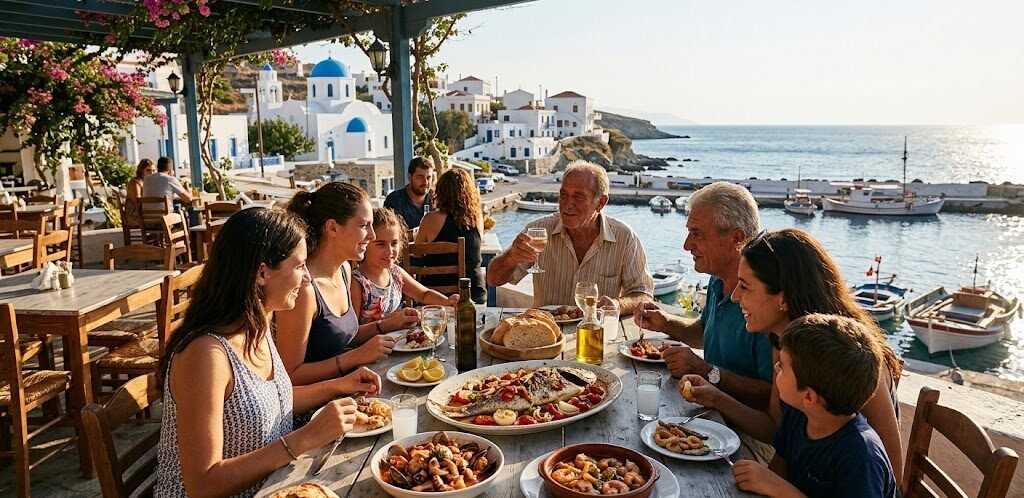
Greek islands maintain particularly strong seafood cultures, with grilled octopus served simply with lemon and olive oil representing the region’s minimalist philosophy. Saganaki—fried cheese—often accompanies seafood meze platters. The Greek approach celebrates individual ingredients while acknowledging the harmony between human consumption and marine ecosystems.
Turkish and Levantine Influences
Eastern Mediterranean regions incorporate Middle Eastern spices and techniques into seafood preparation. Seafood kebabs, spiced fish preparations, and meze-style shared plates reflect the cultural crossroads of Turkish and Levantine cooking. Pomegranate molasses, tahini, and warm spices appear alongside traditional Mediterranean ingredients.
Health Benefits of Mediterranean Seafood Diets
Scientific research extensively documents the health advantages associated with Mediterranean seafood consumption. Fatty fish including sardines, anchovies, and mackerel provide abundant omega-3 polyunsaturated fatty acids, supporting cardiovascular health and cognitive function. These benefits extend to the broader Mediterranean diet pattern, consistently ranked among the world’s healthiest eating approaches.