Introduction to Seafood Cooking
Seafood cooking can seem intimidating to beginners, yet it represents one of the most rewarding culinary skills to master. With the proper techniques, knowledge, and confidence-building strategies, anyone can prepare delicious seafood dishes that rival those served in professional restaurants. This guide will equip you with the essential information needed to approach seafood preparation with assurance and achieve consistently excellent results.
Understanding Seafood Selection and Quality
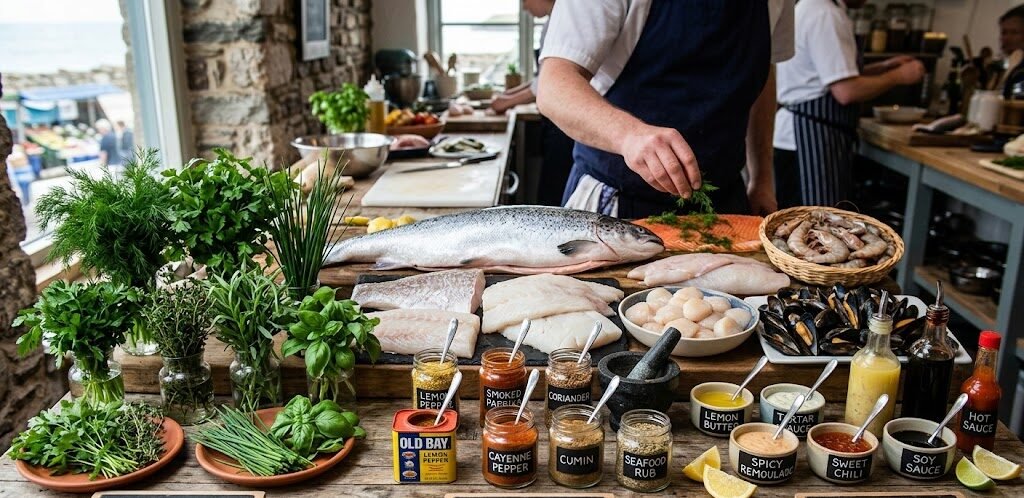
The foundation of successful seafood cooking begins with proper selection. When purchasing seafood, freshness is paramount. Fresh fish should display bright, clear eyes, firm flesh that springs back when pressed, and a clean ocean aroma rather than a strong fishy smell. Scales should be intact and shiny, indicating the fish has been handled with care.
When shopping, consider purchasing from reputable fishmongers who can provide information about the source and handling of their products. Alternatively, frozen seafood of high quality can be equally reliable and often fresher than fish that has traveled long distances. Understanding the distinctions between various seafood types will help you select the most appropriate option for your intended recipe.
Essential Cooking Techniques for Seafood
Baking and Roasting
Baking and roasting are among the most straightforward methods for preparing seafood. These dry-heat cooking methods work particularly well for whole fish, fillets, and shellfish. To bake fish successfully, preheat your oven to 400-425°F, season your seafood appropriately, and cook until the flesh becomes opaque and flakes easily with a fork. This typically requires 12-15 minutes for standard fillets.
Pan-Searing
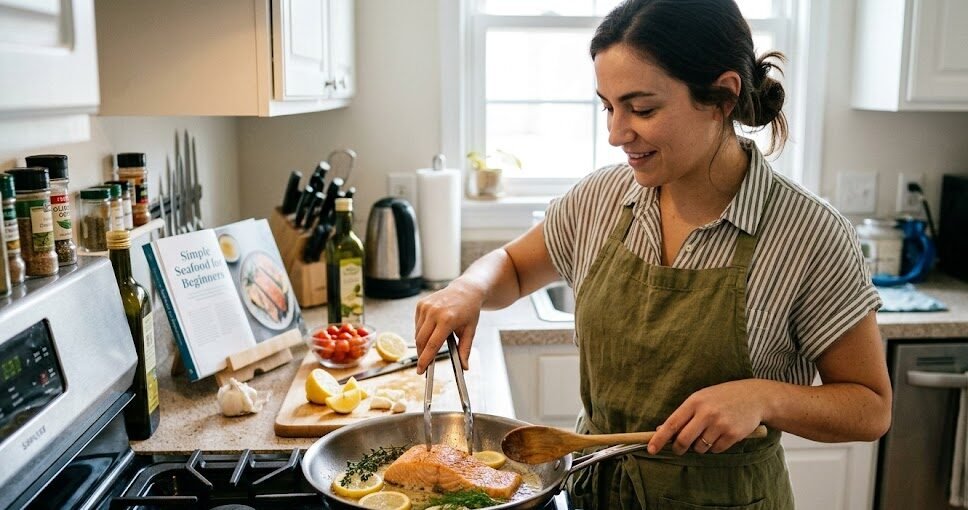
Pan-searing creates a flavorful crust while maintaining moisture within the flesh. Heat a skillet with oil or butter over medium-high heat until it shimmers. Place your seasoned seafood skin-side up initially, allowing the bottom to develop a golden crust for approximately 3-4 minutes before turning. This method suits fillets and steaks particularly well.
Poaching
Poaching involves gently cooking seafood in simmering liquid, a method that preserves delicate flavors and produces moist results. Use a flavorful broth or court-bouillon and maintain water temperature just below boiling point. This technique is ideal for whole fish, salmon steaks, and delicate fish varieties.
Steaming
Steaming is a healthy cooking method that retains nutrients and natural flavors. Place seafood on a steamer rack above boiling water, cover, and cook until the flesh becomes opaque. This method requires minimal additional fats and produces consistently tender results.
Grilling
Grilling imparts distinctive flavor profiles to seafood while creating appealing surface characteristics. Oil your grill grates thoroughly and preheat to medium-high heat. Place seafood directly on the grates or use a grill basket for smaller items. Grill for 4-6 minutes per side depending on thickness, allowing minimal handling to prevent sticking.
Critical Timing and Temperature Guidelines
Understanding proper cooking times prevents the most common mistake in seafood preparation: overcooking. Unlike meat, seafood continues cooking after removal from heat. The ideal doneness is achieved when the flesh becomes opaque and flakes gently with a fork. For fish fillets, this typically occurs between 8-12 minutes depending on thickness and cooking method.
When using a meat thermometer, aim for an internal temperature of 145°F for fish, though some chefs prefer slightly lower temperatures for maximum moisture retention. Shrimp should turn opaque and pink, lobster meat should be white and opaque, and scallops should be firm and slightly springy to the touch.
Flavor Enhancement and Seasoning Strategies
Seafood’s delicate flavors require thoughtful seasoning approaches. Simple preparations featuring fresh herbs, citrus, and high-quality fats often yield superior results compared to heavy sauces. Consider these effective seasoning combinations:
- Lemon, garlic, and fresh parsley for white fish
- Dill, mustard, and fresh chives for salmon
- Ginger, soy sauce, and sesame oil for Asian-inspired preparations
- Tomato, basil, and olive oil for Mediterranean dishes
- Paprika, cumin, and lime for Latin-influenced recipes
Allow seasoning to penetrate for 15-30 minutes before cooking when time permits. Salt draws out moisture initially but enhances flavor development when applied sufficiently in advance.
Common Mistakes to Avoid
Understanding frequent pitfalls accelerates your learning curve. The most prevalent mistakes include overcooking, which produces dry, tough results; insufficient seasoning prior to cooking; starting with inadequately heated cooking surfaces; and moving seafood excessively during cooking. Additionally, avoid buying seafood far in advance of preparation, as quality deteriorates rapidly even when refrigerated.
Shellfish Preparation Specifics
Shellfish requires specialized approaches. Shrimp should be deveined and patted dry before cooking to achieve optimal texture. Scallops similarly benefit from thorough drying to develop proper browning. Clams and mussels require thorough cleaning and debearding; discard any specimens that fail to close when tapped. Crab and lobster preparation depends on your comfort level, ranging from purchasing pre-cooked meat to cooking live specimens using humane methods.
Building Your Seafood Confidence
Developing confidence in seafood preparation comes through practice and understanding fundamental principles. Begin with forgiving fish varieties such as salmon, cod, or snapper. Start with simple preparation methods before advancing to more complex techniques. Keep detailed notes about cooking times and temperatures specific to your equipment, as variations exist between stovetops and ovens.
Taste frequently during preparation when possible, and don’t hesitate to reference recipes until techniques become intuitive.