Understanding Fish Safety for Children
Fish is an excellent source of protein, omega-3 fatty acids, and essential nutrients that support children’s growth and cognitive development. However, not all fish varieties are equally safe for children to consume. Understanding which fish to choose and which to avoid is crucial for parents seeking to provide nutritious meals while minimizing potential health risks.
Why Fish Selection Matters for Kids
Certain fish species accumulate higher levels of mercury, a toxic heavy metal that can affect children’s developing nervous systems. Additionally, some fish may contain other contaminants or present choking hazards. By making informed choices about which fish to serve, parents can enjoy the nutritional benefits of fish while protecting their children’s health.
Best Fish Choices for Children
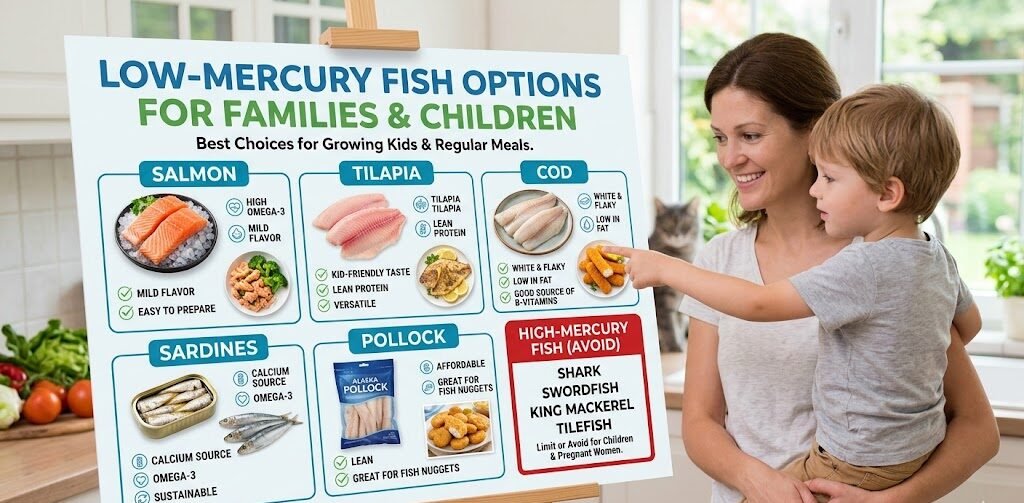
The following fish varieties are considered safe and nutritious options for children:
- Salmon – Rich in omega-3 fatty acids and lower in mercury content, salmon is an excellent choice for regular consumption
- Cod – A mild-flavored white fish that is low in mercury and easy for children to eat
- Tilapia – A gentle-tasting fish that is low in mercury and commonly available
- Canned light tuna – Lower in mercury than albacore tuna; limit to two servings per week
- Pollock – Similar to cod, this white fish is safe and mild-flavored
- Sardines – Small fish with minimal mercury accumulation and high nutrient density
- Anchovies – Another small fish option that is low in mercury and nutritious
- Catfish – A mild white fish that is safe for children in appropriate portions
Fish to Limit or Avoid
Certain fish species are known to accumulate higher mercury levels and should be limited or avoided for children:
- Shark – Contains very high mercury levels and should be avoided entirely
- Swordfish – Consistently high in mercury; not recommended for children
- King mackerel – Another high-mercury species to avoid
- Tilefish – Among the highest mercury-containing fish
- Albacore tuna – Contains more mercury than canned light tuna; limit consumption
- Bigeye tuna – Higher mercury content compared to other tuna varieties
- Marlin – Not recommended due to elevated mercury levels
Mercury and Child Development
Mercury exposure during childhood can affect the development of the brain and nervous system. While occasional consumption of higher-mercury fish may not cause immediate harm, regular exposure can accumulate in the body over time. The Environmental Protection Agency (EPA) and Food and Drug Administration (FDA) provide guidelines specifically for children and pregnant women to minimize mercury exposure while still allowing families to enjoy the benefits of fish consumption.
Serving Size Guidelines
Age-appropriate portion sizes help ensure children receive adequate nutrition without excessive contaminant exposure. Children ages 4-7 should consume approximately 1 ounce of fish per serving, while children ages 8-10 can safely consume up to 2 ounces. Children over 11 may follow adult guidelines of 2-3 ounces per serving. Most families should aim for two to three fish servings per week, choosing from the safer options listed above.
Preparation Methods for Safety
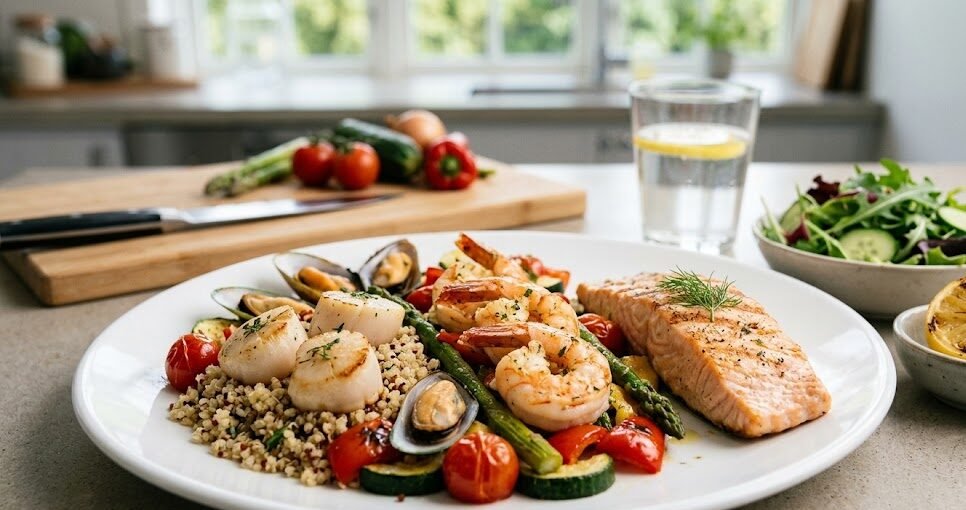
How fish is prepared can also impact safety for children. Baking, steaming, or poaching are healthier cooking methods compared to frying, which adds unnecessary calories and fats. Remove all bones carefully, as choking is a concern with young children. Ground or flaked fish products are often safer options for toddlers and young children who may have difficulty managing whole fish pieces.
Introducing Fish to Your Child’s Diet
When introducing fish to a child’s diet for the first time, offer small portions of mild-flavored varieties such as cod or tilapia. Monitor for any allergic reactions, though fish allergies are relatively uncommon. Starting with familiar, gentle flavors helps children develop a positive relationship with fish as a dietary staple.
Sustainable and Healthy Sourcing
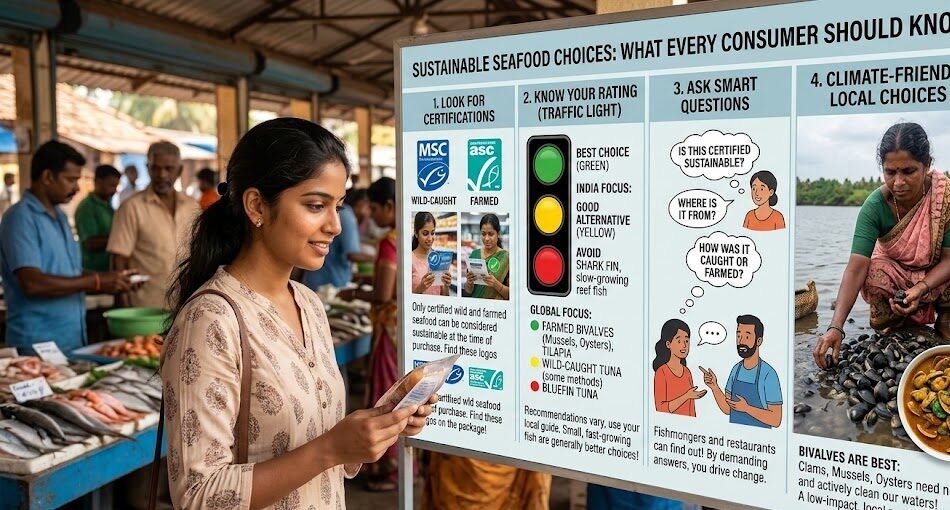
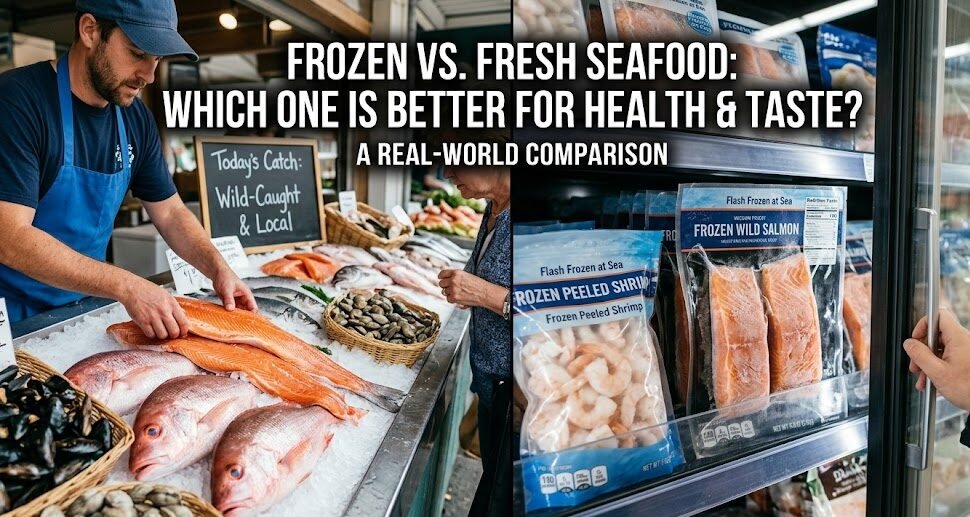
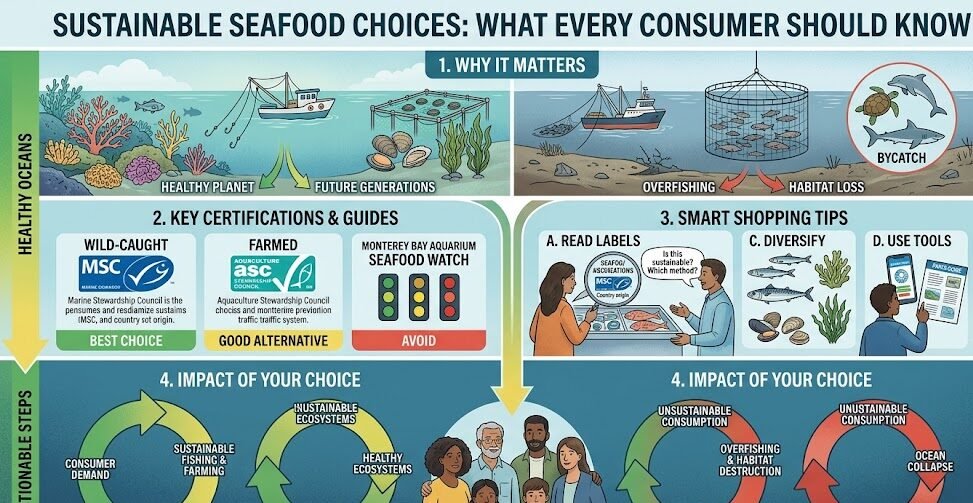
Beyond safety considerations, choosing sustainably sourced fish supports environmental health. Look for certifications from organizations like the Marine Stewardship Council (MSC) when purchasing fish. Frozen fish is just as nutritious as fresh fish and may be more economical for families.
Key Takeaways
Providing safe fish choices for your family involves understanding mercury content, serving appropriate portions, and selecting from low-mercury varieties. By choosing fish like salmon, cod, tilapia, and light tuna, parents can offer their children nutrient-dense meals that support healthy development. Following age-appropriate guidelines and limiting high-mercury fish ensures families can enjoy the substantial health benefits fish provides while minimizing potential risks. When in doubt, consult the EPA and FDA guidelines for the most current recommendations on fish consumption for children.