Introduction to America’s Premier Seafood Markets
The United States boasts a rich tradition of seafood markets that serve as vital hubs for both professional chefs and home cooks seeking the freshest catches. These establishments represent more than mere commercial enterprises; they are cultural institutions that connect consumers directly to coastal heritage and sustainable fishing practices. From the Atlantic to the Pacific, America’s seafood markets showcase regional specialties, expert knowledge, and an unwavering commitment to quality.
Pike Place Market – Seattle, Washington
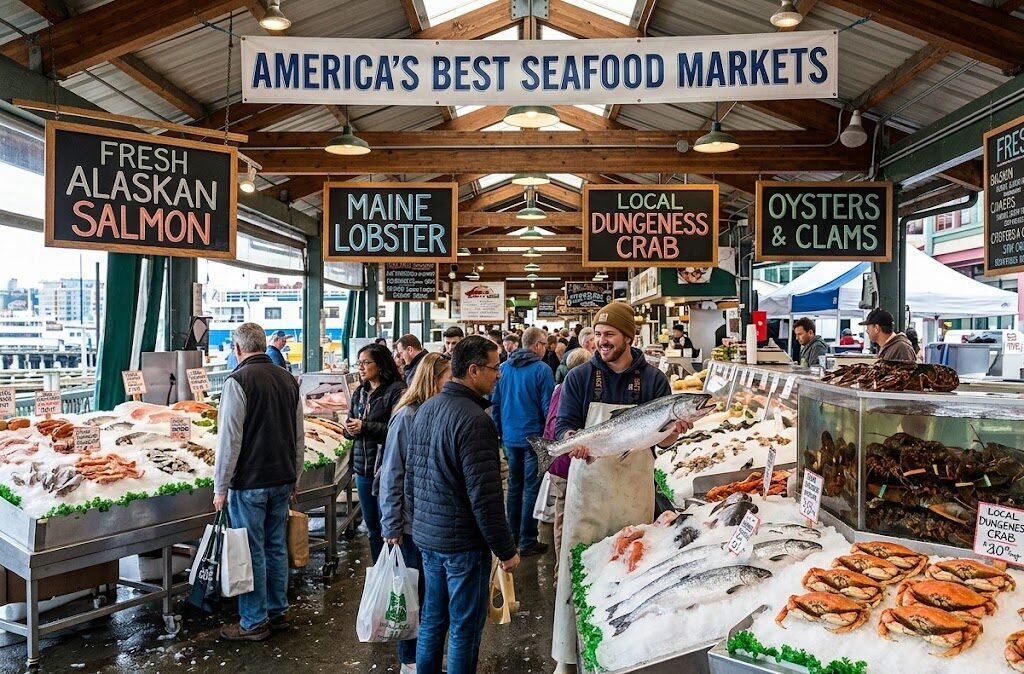
Established in 1907, Pike Place Market stands as one of America’s most iconic public markets and a must-visit destination for seafood enthusiasts. Located in downtown Seattle, this historic marketplace features numerous fishmongers offering an extensive selection of Alaskan salmon, halibut, geoduck clams, and Dungeness crab. The market is renowned for its energetic atmosphere, where vendors engage in the famous fish-throwing tradition while providing expert recommendations to customers.
Pike Place Market’s commitment to local sourcing ensures that visitors have access to fish caught by independent fishermen operating in the Pacific Northwest. The market also hosts numerous prepared food vendors who utilize fresh market ingredients, creating an immersive culinary experience that captures the essence of Seattle’s seafood culture.
The Fulton Fish Market – New York City, New York
As one of the world’s largest seafood markets, the Fulton Fish Market has supplied New York City with exceptional fresh seafood since 1822. Operating in the Hunts Point area of the Bronx, this wholesale market processes thousands of pounds of fish daily, serving restaurants, retailers, and consumers throughout the metropolitan region. The market features an impressive variety of species including striped bass, flounder, cod, and specialty items like sea urchin and live lobster.
The Fulton Fish Market operates primarily as a wholesale facility, but knowledgeable vendors welcome retail customers seeking premium products. The market’s reputation for quality and reliability has made it an essential resource for culinary professionals throughout the Northeast and beyond.
Billingsgate Market – Boston, Massachusetts
Boston’s vibrant seafood market culture centers around establishments that celebrate New England’s maritime heritage. The city’s numerous seafood markets, including independent fishmongers and market stalls, specialize in iconic regional products such as Atlantic lobster, haddock, and scallops. These markets maintain strict quality standards while preserving traditional preparation methods passed down through generations of fishing families.
Boston’s seafood markets serve as gathering places where customers can access expert advice on selection, storage, and preparation techniques. Many establishments offer pre-cut and prepared options for convenience while maintaining the option to select whole fish for those seeking complete culinary control.
Santa Monica Seafood Market – Los Angeles, California
Santa Monica Seafood Market represents the gold standard for Southern California’s seafood retail sector. Located in the heart of Santa Monica, this family-owned establishment has served the community with premium fresh seafood for decades. The market specializes in local catches including white sea bass, California halibut, and sustainable swordfish, alongside imported delicacies such as French oysters and Mediterranean sea bass.
The market’s expert staff provides comprehensive guidance on product selection, seasonal availability, and preparation methods. With a commitment to sustainability and traceability, Santa Monica Seafood Market ensures customers understand the origin and quality of their purchases.
Key Characteristics of Quality Seafood Markets
Exceptional seafood markets share several defining characteristics that distinguish them from ordinary retailers. The following elements define premium seafood market operations:
- Freshness Standards: Top markets maintain rigorous temperature control and rapid inventory turnover to ensure optimal freshness.
- Knowledgeable Staff: Expert vendors provide detailed information about species, preparation methods, and sourcing practices.
- Sustainable Sourcing: Quality markets prioritize environmentally responsible fishing practices and transparent supply chain management.
- Variety and Specialization: Premium markets offer diverse selections including regional specialties, seasonal items, and imported delicacies.
- Customer Service: Exceptional markets accommodate special requests, provide custom cutting services, and offer cooking recommendations.
- Traceability: Reputable establishments maintain detailed records regarding product origin and handling procedures.
Sustainable Seafood Sourcing in American Markets
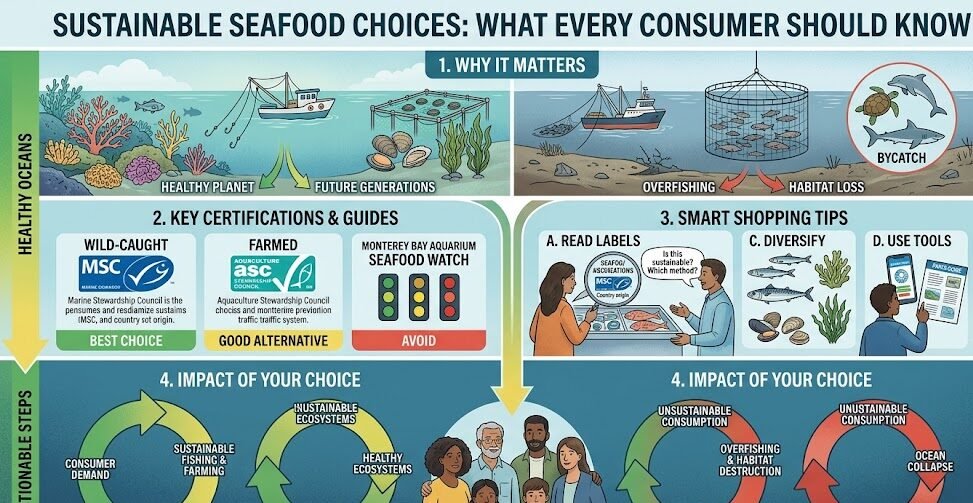
Modern seafood markets increasingly prioritize environmental sustainability, recognizing the importance of preserving marine ecosystems for future generations. Many leading markets have adopted practices aligned with the Seafood Watch guidelines, which categorize seafood based on sustainability criteria. These markets actively communicate with customers about responsible sourcing while supporting fishing communities committed to conservation practices.
By choosing seafood from markets that emphasize sustainability, consumers directly impact ocean health and support fishing operations that employ ethical harvesting methods. This growing movement has transformed the seafood market landscape, encouraging vendors to establish direct relationships with responsible fishing operations.
Regional Specialties and Seasonal Availability
America’s diverse coastlines and marine ecosystems support distinct regional seafood specialties that vary by season. The Atlantic region specializes in lobster, cod, and haddock, while the Pacific Northwest excels in salmon species and shellfish varieties. The Gulf Coast provides exceptional shrimp, snapper, and crawfish, whereas California markets emphasize sustainable groundfish and premium squid varieties.
Seasonal availability plays a crucial role in seafood market operations, with peak seasons typically offering the finest quality and most competitive pricing. Spring brings soft-shell crabs and wild salmon, summer features abundant white fish and stone crab, autumn brings oyster season and Pacific halibut, while winter provides lobster and cold-water fish species.
Shopping Tips for Seafood Market Success
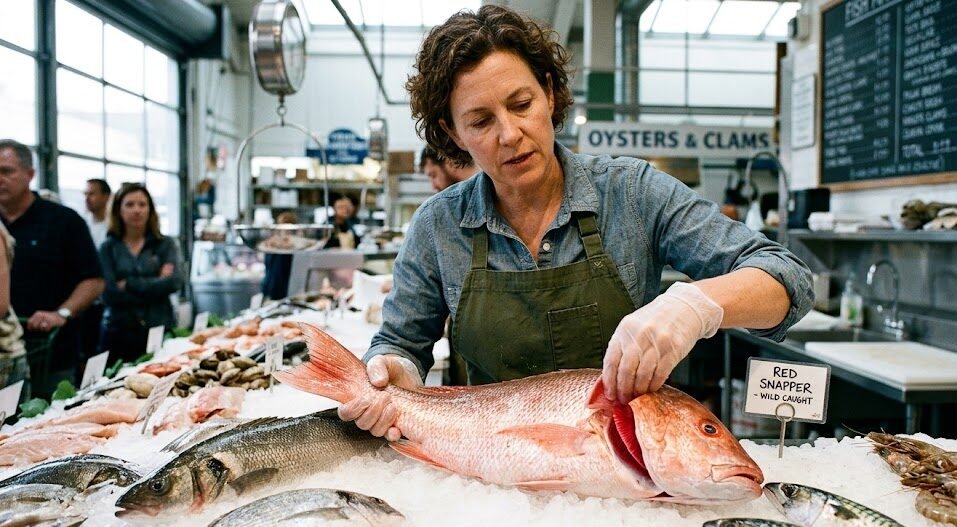
Maximizing the seafood market experience requires understanding quality indicators and following purchasing best practices. Visitors should examine fish for firm flesh, clear eyes, and a mild ocean aroma—characteristics indicating recently harvested products. Shellfish selections should be evaluated for intact shells and appropriate weight, while live specimens should demonstrate clear signs of vitality.