The seafood industry is rife with misconceptions that influence consumer choices, dietary decisions, and purchasing habits. Many of these myths have persisted for decades, passed down through generations without scientific verification. Understanding the truth behind common seafood claims is essential for making informed nutritional choices and appreciating the genuine benefits of consuming seafood.
Myth 1: All Seafood Contains Dangerous Levels of Mercury
One of the most pervasive myths surrounding seafood consumption is that all fish and shellfish contain harmful amounts of mercury. While it is true that certain species accumulate mercury at higher levels, the vast majority of seafood is safe for regular consumption.
The mercury content varies significantly depending on the species, with larger predatory fish such as shark, swordfish, and king mackerel containing higher concentrations. Conversely, smaller fish like sardines, anchovies, and shellfish contain minimal mercury levels. Most people can safely consume two to three servings of lower-mercury seafood per week without health concerns. The Environmental Protection Agency and FDA provide detailed guidance on which species are safest for different demographics, including pregnant women and children.
Myth 2: Farmed Seafood is Inherently Inferior to Wild-Caught
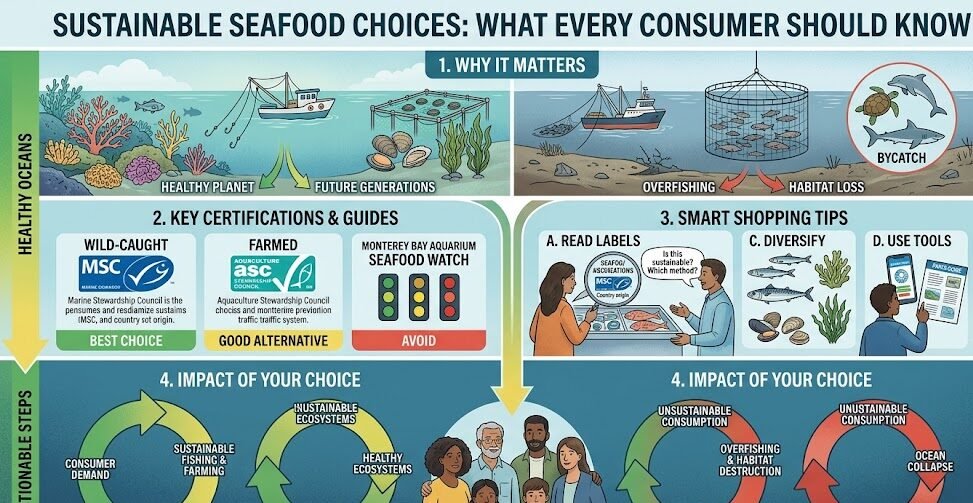
The assumption that farmed seafood is nutritionally inferior to wild-caught varieties lacks substantial scientific support. Both farmed and wild-caught seafood offer significant nutritional benefits, including high-quality protein, omega-3 fatty acids, and essential minerals.
Modern aquaculture operations employ rigorous quality control measures and feed formulations designed to optimize nutritional profiles. Some farmed fish, particularly salmon, contain comparable or even higher omega-3 content than their wild counterparts due to controlled feed composition. Additionally, farmed seafood reduces pressure on wild fish populations and provides a more sustainable and consistent food source. The key consideration should be sourcing from reputable producers that maintain environmental and health standards, rather than dismissing farmed options entirely.
Myth 3: Eating Seafood Will Spike Your Cholesterol
Many individuals avoid seafood due to concerns about cholesterol levels, yet this myth oversimplifies the relationship between dietary cholesterol and blood cholesterol. While some seafood species do contain cholesterol, scientific research demonstrates that dietary cholesterol has minimal impact on blood cholesterol levels for most people.
The primary factors influencing cholesterol are saturated fat intake and genetic predisposition. Most seafood is low in saturated fat, and the omega-3 fatty acids present in fish can actually help reduce triglycerides and support cardiovascular health. Recent dietary guidelines acknowledge that the cholesterol content in seafood is less concerning than previously believed, and the overall nutritional profile of most fish species is beneficial for heart health.
Myth 4: Raw Seafood is Always Unsafe to Consume
The perception that all raw seafood consumption poses serious health risks is an exaggeration that ignores food safety practices and preparation methods. While raw seafood does carry some risk if not properly handled, establishments that serve sushi, ceviche, and raw oysters follow strict protocols to minimize contamination.
High-quality restaurants source seafood from reputable suppliers that freeze fish at specific temperatures to eliminate parasites, and they maintain rigorous sanitation standards. Individuals with compromised immune systems, pregnant women, and young children should exercise caution, but healthy adults can safely enjoy properly prepared raw seafood. The risk is manageable when proper sourcing, handling, and preparation procedures are followed.
Myth 5: Seafood is Too Expensive for Regular Consumption
Budget constraints often lead consumers to believe that seafood is prohibitively expensive compared to other protein sources. However, this myth fails to account for the variety of affordable seafood options available to consumers.
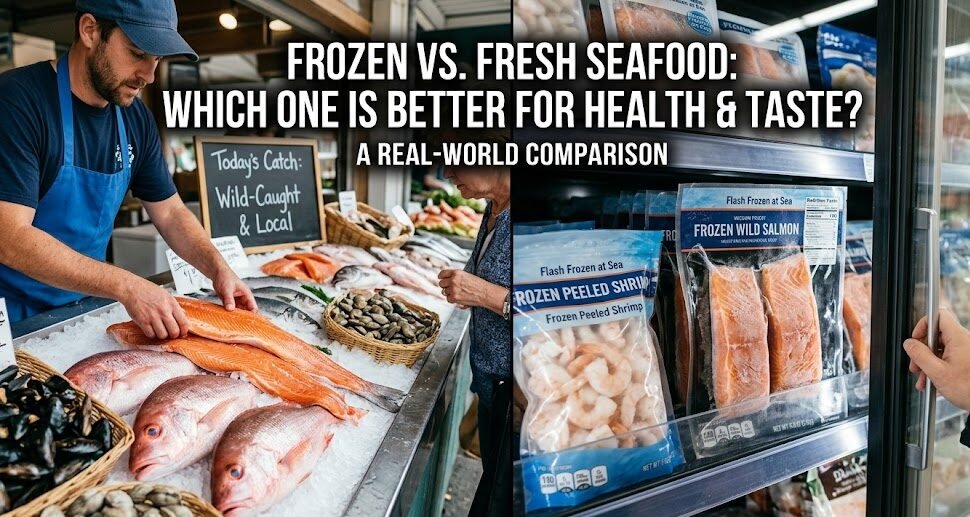
Frozen fish, canned seafood such as tuna and sardines, and less popular species like mackerel, herring, and pollock offer excellent nutritional value at economical price points. These options are often more affordable than premium cuts of meat and provide comparable protein content with superior micronutrient profiles. Purchasing seafood in season, buying in bulk, and exploring frozen options can significantly reduce costs while maintaining quality and nutrition.
Myth 6: Seafood Cooking Methods Eliminate All Health Benefits
Some consumers believe that cooking seafood destroys its nutritional value, particularly the beneficial omega-3 fatty acids. While certain cooking methods are preferable to others, most reasonable cooking approaches preserve the majority of seafood’s nutritional benefits.
Baking, steaming, and grilling at moderate temperatures minimally impact omega-3 content. Deep frying significantly reduces nutritional value and adds excessive calories and unhealthy fats, making it the least desirable preparation method. The nutritional advantage of consuming properly cooked seafood far outweighs any minimal nutrient losses that occur during cooking, making the myth that all cooking destroys health benefits an unnecessary deterrent to seafood consumption.
Myth 7: Seafood Allergies Are Universal and Severe
While seafood allergies do affect a portion of the population, the assumption that all seafood allergies are equally severe or that everyone with one allergy must avoid all seafood is inaccurate.
Allergies vary considerably in severity and specificity. Some individuals react only to shellfish, while others tolerate it without difficulty. Fish and shellfish allergies are distinct conditions with different triggers and symptoms. Many people with mild allergies can safely consume certain species while avoiding others. Medical testing and professional guidance are essential for accurately identifying specific allergies rather than unnecessarily restricting consumption based on assumptions about universal seafood intolerance.
Conclusion
Debunking persistent seafood myths enables consumers to make evidence-based dietary decisions that maximize health benefits while minimizing unfounded concerns. Whether addressing mercury content, farming practices, cholesterol impacts, or preparation methods, scientific research consistently supports the consumption of seafood as part of a balanced, nutritious diet. By distinguishing fact from fiction, individuals can confidently incorporate diverse seafood varieties into their diets and reap the substantial health advantages these nutrient-dense foods provide.