Introduction
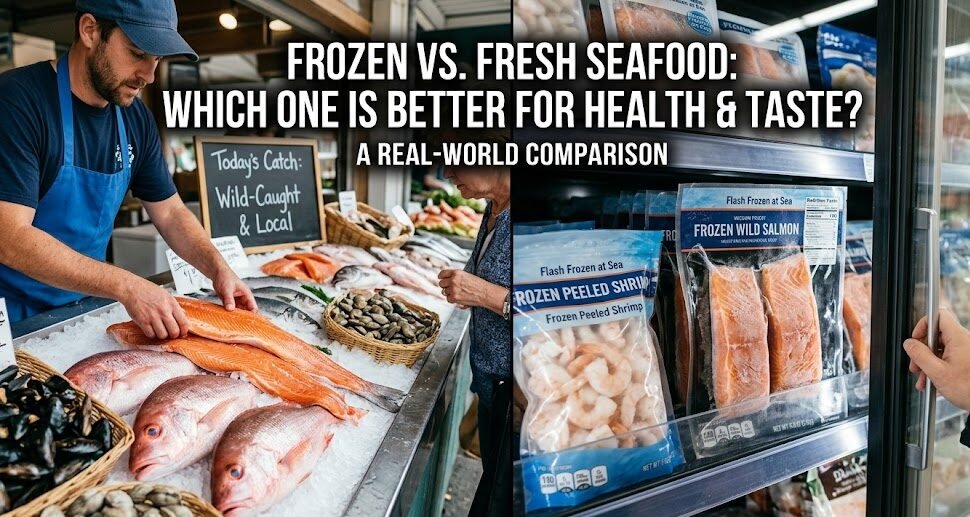
The debate between frozen and fresh seafood has long been a topic of discussion among health-conscious consumers and culinary enthusiasts alike. Both options offer distinct advantages and considerations that warrant careful examination. Understanding the nutritional profiles, quality factors, and practical benefits of each choice can help consumers make informed decisions about their seafood consumption.
Nutritional Value: Fresh vs. Frozen Seafood
Contrary to popular belief, frozen seafood maintains exceptional nutritional value comparable to its fresh counterpart. The freezing process, when performed immediately after harvest, effectively halts bacterial growth and enzyme activity, thereby preserving essential nutrients including proteins, vitamins, and omega-3 fatty acids.
Fresh seafood, while appealing in appearance and texture, often loses nutritional content during transportation and storage. The longer seafood remains unfrozen, the greater the potential nutrient degradation. Research indicates that properly frozen seafood can retain up to 90% of its nutritional integrity when stored at appropriate temperatures.
Quality and Freshness Considerations
Fresh Seafood Advantages
- Superior texture and flavor profile when consumed immediately
- Enhanced sensory experience with optimal firmness
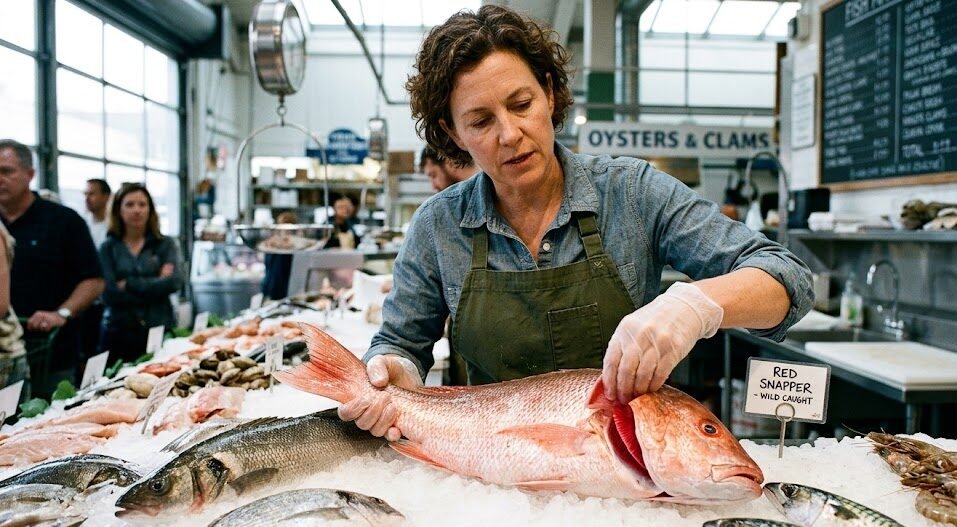
- Visible quality assessment before purchase
- Minimal processing requirements
Frozen Seafood Advantages
- Extended shelf life and increased availability
- Quality locked in at peak ripeness
- Reduced food waste potential
- Consistent quality standards across batches
- Lower risk of bacterial contamination during storage
Taste Profile Analysis
The flavor experience differs between fresh and frozen seafood, though both can deliver satisfactory culinary results when properly prepared. Fresh seafood typically exhibits a more delicate, nuanced taste profile with subtle oceanic characteristics that some consumers find superior.
Frozen seafood maintains its fundamental flavor composition but may experience slight textural changes upon thawing due to ice crystal formation affecting cellular structure. However, when thawed properly and prepared with appropriate cooking techniques, frozen seafood can deliver comparable taste experiences to fresh options.
The cooking method significantly influences the final taste of both varieties. Steaming, baking, and poaching tend to preserve subtle flavors more effectively than high-heat cooking methods.
Cost-Effectiveness and Accessibility
Frozen seafood typically offers greater economic value, allowing consumers to purchase high-quality options at reduced prices compared to fresh varieties. This affordability factor makes nutritious seafood accessible to broader consumer demographics.
Fresh seafood, while premium-priced, may incur additional costs related to rapid transportation and specialized storage requirements. The limited availability of certain fresh species in non-coastal regions often results in significant price premiums.
Storage and Shelf Life
Fresh seafood requires consumption within two to three days of purchase, necessitating immediate meal planning and frequent shopping trips. Frozen seafood can remain viable for several months when stored at zero degrees Fahrenheit or below, providing flexibility in meal preparation and reducing shopping frequency.
Sustainability and Environmental Impact
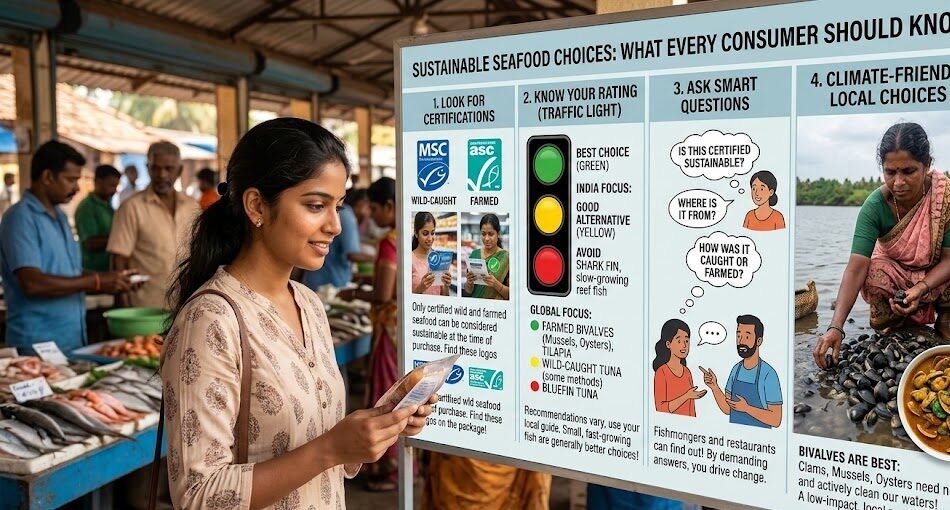
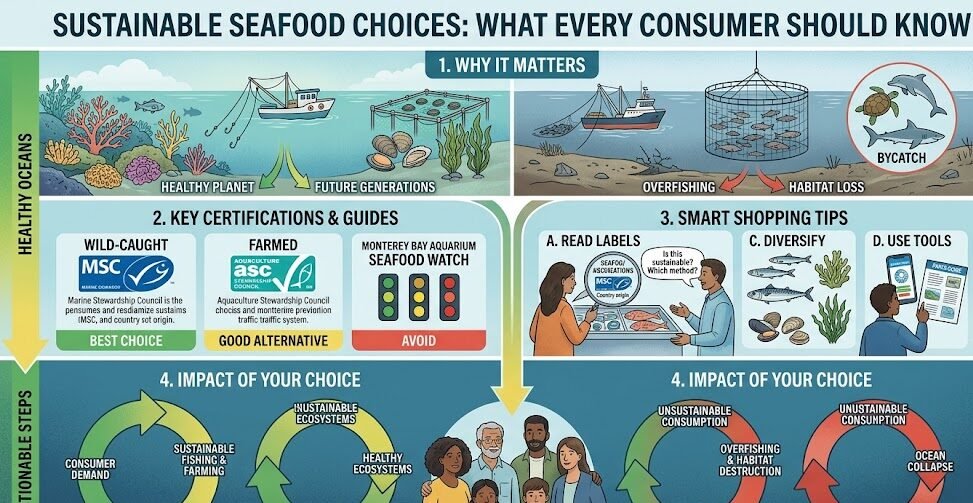
Frozen seafood often presents environmental advantages through improved supply chain efficiency. Bulk freezing at source locations reduces the need for express transportation, thereby decreasing carbon emissions. Additionally, frozen products minimize waste generation by allowing consumers to use portions as needed without spoilage concerns.
Selection Criteria and Best Practices
Choosing Fresh Seafood
- Select from reputable seafood counters with high turnover rates
- Inspect for firm flesh and clear eyes in whole fish
- Verify appropriate oceanic aroma without overwhelming fishiness
- Plan consumption within 24-48 hours of purchase
Selecting Frozen Seafood
- Verify absence of freezer burn or ice accumulation
- Check for intact packaging without punctures
- Review processing and origin information on labels
- Plan thawing in refrigeration at least 12 hours prior to cooking
Proper Preparation Techniques
Thawing frozen seafood correctly is essential for maintaining quality and food safety. Refrigerator thawing overnight represents the optimal method, allowing gradual temperature equalization and minimizing bacterial growth risk. Avoid rapid thawing methods such as room-temperature exposure or hot water immersion, which can compromise texture and increase contamination potential.
Conclusion
The choice between frozen and fresh seafood ultimately depends on individual priorities regarding convenience, budget, taste preferences, and sustainability concerns. Both options provide nutritionally valuable protein sources when properly selected, stored, and prepared. Modern freezing technologies ensure that frozen seafood maintains exceptional quality, making it a legitimate and practical alternative to fresh varieties. Consumers should consider their specific circumstances and preferences when making seafood purchasing decisions, recognizing that both options contribute positively to a balanced, health-conscious diet.