Understanding the Importance of Freshness
Selecting fresh seafood is fundamental to ensuring both the quality and safety of your meals. Fresh seafood not only delivers superior flavor and texture but also retains essential nutrients that may diminish over time. Whether you are preparing a simple weeknight dinner or hosting an elaborate dinner party, understanding how to identify fresh seafood will significantly enhance your culinary experience and protect your family’s health.
Visual Indicators of Freshness
The first step in selecting fresh seafood involves careful visual inspection. When examining fish and other seafood products, observe the following characteristics:
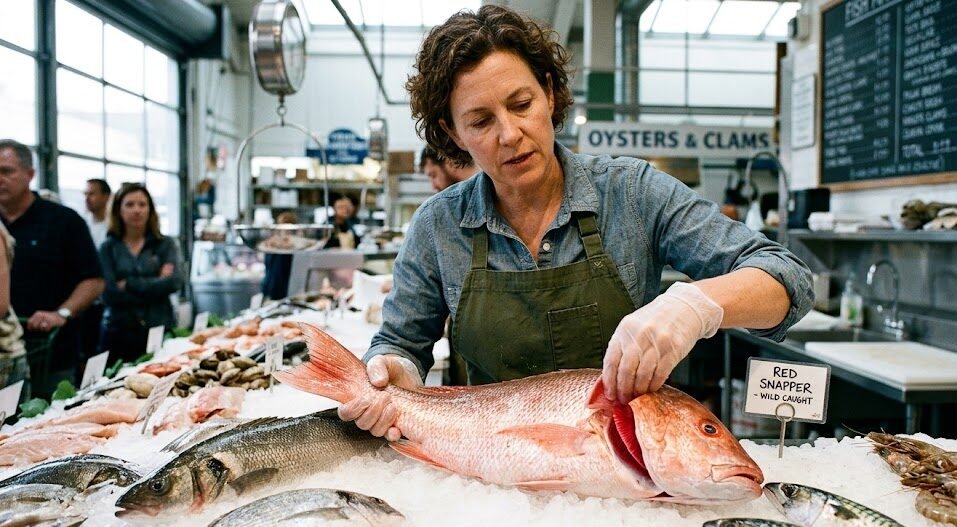
- Eyes: Look for bright, clear, and bulging eyes. Dull or sunken eyes indicate older fish that should be avoided.
- Skin and Scales: The skin should appear shiny and vibrant with intact scales that adhere firmly. Discoloration, dryness, or peeling skin are warning signs of deterioration.
- Gills: Fresh fish display bright red or pink gills. Brown or gray gills suggest the fish has been stored for an extended period.
- Flesh:: The flesh should appear firm and moist. Avoid any seafood displaying soft spots, bruising, or excessive liquid loss.
The Importance of the Smell Test
One of the most reliable indicators of seafood freshness is its aroma. Fresh seafood should emit a clean, briny scent reminiscent of the ocean. A strong, pungent, or ammonia-like smell indicates bacterial growth and spoilage. Do not hesitate to politely request samples or ask the fishmonger to open packaging so you can assess the smell before making your purchase. Your sense of smell is an invaluable tool in distinguishing between truly fresh and questionable products.
Texture and Firmness Assessment
Gently press the flesh of the seafood with your finger. Fresh fish and other seafood should feel firm, and the flesh should spring back immediately when pressure is released. If an indentation remains or the flesh feels mushy, the product has likely begun to deteriorate. This tactile assessment applies to all types of seafood, from fillets to whole fish and shellfish.
Evaluating Shellfish Quality
When purchasing shellfish such as clams, mussels, and oysters, additional considerations apply. Living shellfish should have tightly closed shells, or they should close promptly when tapped. Open shells that do not respond indicate the shellfish is dead and should not be consumed. For shrimp and other crustaceans, the shell should feel firm and the meat should be translucent or white, never gray or black.
Understanding Storage and Handling Practices
The way seafood is stored at the market directly impacts its freshness. Quality seafood should be displayed on a bed of ice that is regularly replenished. Ice should not be melting excessively or pooling around the products. Additionally, observe whether the market maintains separate storage areas for different types of seafood, as cross-contamination can affect quality. Markets with high turnover rates and proper cold chain management typically offer the freshest selections.
Reading Labels and Certification Information
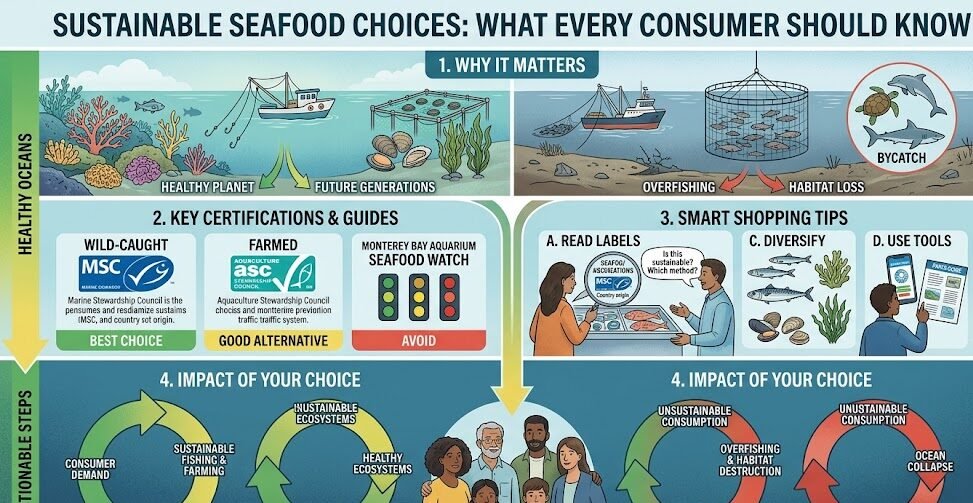
Pay close attention to labels and packaging information. Seek dates indicating when the seafood was caught or processed, and verify that the use-by date has not passed. Certifications from reputable sources such as the Marine Stewardship Council (MSC) or local fishing authorities provide additional assurance regarding quality and sustainability. Understanding whether the seafood is wild-caught or farm-raised can also influence your purchasing decision based on personal preferences and nutritional considerations.
Building a Relationship with Your Fishmonger
Establishing a relationship with a knowledgeable fishmonger provides invaluable advantages. A reputable fishmonger can offer recommendations based on daily deliveries, inform you about seasonal availability, and provide guidance on preparation methods. They can also accommodate special requests, such as filleting or cleaning, and ensure you receive the freshest available products. Regular patronage of a trusted fishmonger significantly improves the consistency and quality of your seafood selections.
Timing Your Purchase
The timing of your seafood purchase greatly influences freshness. Markets typically receive fresh deliveries early in the morning. Shopping for seafood during these peak times increases your likelihood of selecting products that have been recently stocked. Conversely, shopping late in the day may result in selecting from depleted inventory that has been displayed longer. Planning your shopping trips accordingly ensures access to optimal product selection.
Seasonal Considerations
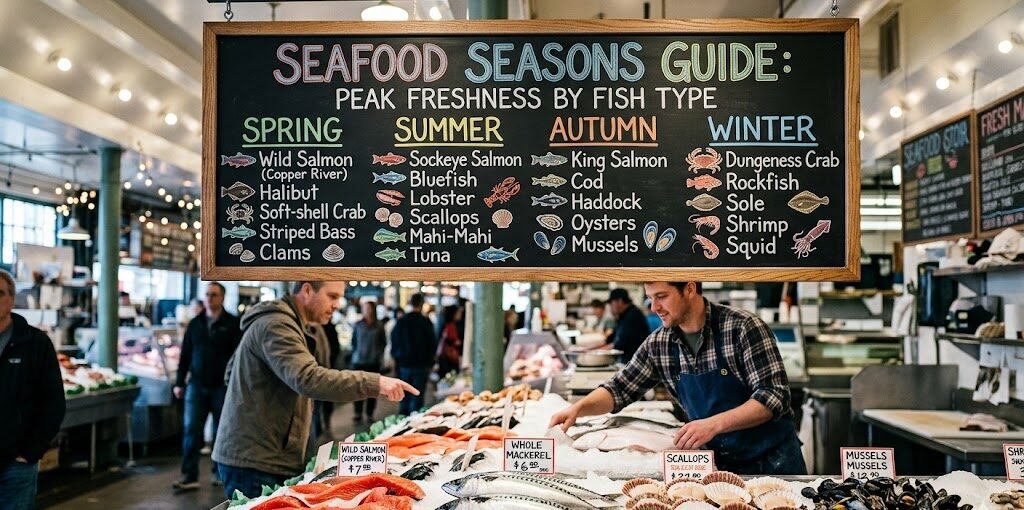
Understanding seasonal seafood availability helps you select the freshest options. Different species have peak seasons when they are most abundant, most flavorful, and most reasonably priced. Consuming seafood during its natural season ensures superior quality and supports sustainable fishing practices. Seasonal selections also contribute to a more varied and interesting diet throughout the year.
Final Recommendations
Mastering the selection of fresh seafood requires attention to detail and the application of sensory assessment techniques. By examining visual characteristics, evaluating aroma and texture, understanding proper storage practices, and cultivating relationships with knowledgeable vendors, you can consistently choose superior seafood products. These practices not only enhance the flavor and nutritional value of your meals but also ensure the safety and health of your household. Invest the time to develop these selection skills, and you will reap the benefits of exceptional seafood experiences for years to come.