Understanding Seafood Seasonality
The concept of seafood seasons is fundamental to understanding when fish and shellfish reach their peak freshness and flavor. Unlike produce that follows strictly seasonal patterns, seafood seasonality is determined by natural breeding cycles, water temperature changes, and migration patterns specific to each species. By aligning your seafood purchases with these natural cycles, consumers can enjoy superior taste, quality, and nutritional value while supporting sustainable fishing practices.
Spring Seafood: The Season of Renewal
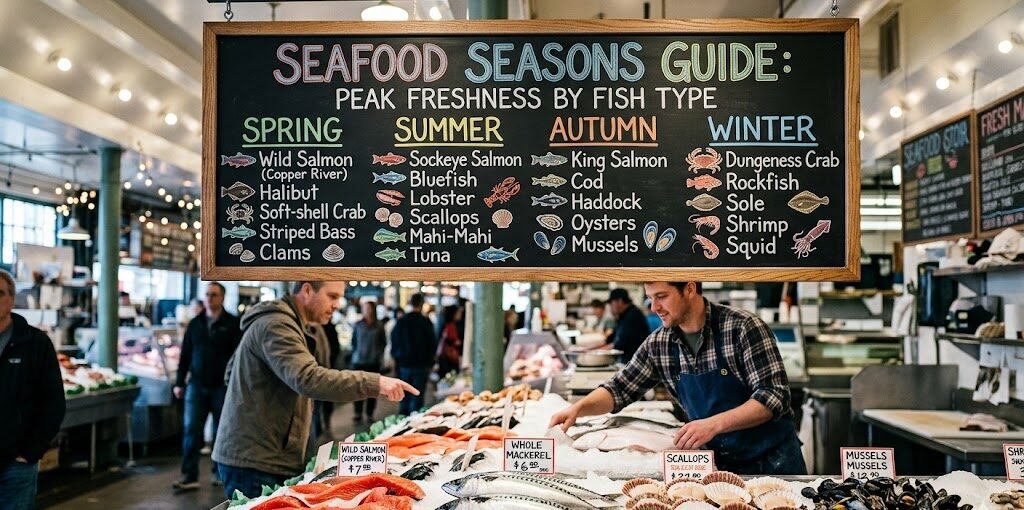
Spring marks the beginning of several important seafood seasons across both Atlantic and Pacific waters. During this period, many fish species are at their most flavorful as they prepare for spawning.
Featured Spring Varieties
- Halibut: Peak season runs from March through September, with spring months offering particularly tender and succulent flesh
- Asparagus-paired Fish (Sole and Flounder): These delicate white fish are exceptionally fresh in spring months
- Sea Urchin: Spring provides premium quality uni with rich, buttery flavor profiles
- Lobster: Soft-shell lobster season begins in spring, offering easier-to-crack shells and sweet meat
Summer: Peak Abundance and Flavor
Summer represents the height of seafood season for many varieties. Warmer water temperatures trigger increased activity and feeding, resulting in fuller-bodied fish with higher fat content and superior taste.
Summer Selection Highlights
- Salmon: Wild-caught salmon reaches peak season during summer months, displaying vibrant color and optimal omega-3 content
- Tuna: Yellowfin and bluefin tuna are at their finest during summer, offering rich marbling and exceptional flavor
- Swordfish: Peak season extends from May through October, with summer providing the most consistent quality
- Mahi-Mahi: This tropical fish thrives during warmer months, offering mild, slightly sweet flavor
- Clams and Mussels: Summer provides abundant supplies of these shellfish varieties
Fall: Transition and Quality
As water temperatures begin to cool in autumn, certain seafood varieties experience a secondary peak season. Fish preparing for winter migration often develop richer flesh and improved flavor profiles.
Fall Seafood Excellence
- Oysters: The traditional saying “eat oysters in months with an R” reflects fall’s superior oyster season quality
- Crab: Dungeness crab and blue crab seasons peak in fall and winter months
- Scallops: Fall brings some of the year’s finest scallop harvests
- Cod: Atlantic cod reaches peak season from September through November
Winter: Cold Water Excellence
Winter seafood seasons produce some of the year’s most prized varieties. Cold water temperatures concentrate fish oils and enhance natural flavors, resulting in exceptional taste and texture.
Winter Premium Varieties
- Oysters: Winter months provide peak oyster quality with optimal salinity and flavor complexity
- Halibut: Continuing from spring, halibut maintains excellent quality through winter
- Rockfish: This versatile fish reaches peak season during winter months
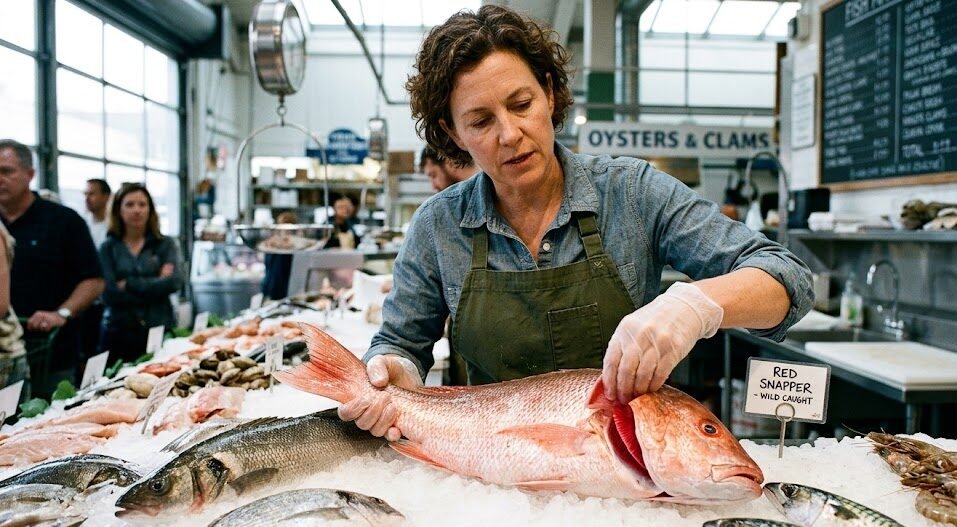
- Snapper: Red snapper and other snapper varieties provide excellent winter catches
- Sea Bass: Both wild and farmed varieties offer superior quality during colder months
Year-Round Availability Considerations
While seasonal availability remains important, modern aquaculture and global distribution networks have made certain seafood varieties available throughout the year. However, fish caught during their natural peak seasons consistently demonstrate superior flavor, texture, and nutritional profiles compared to off-season alternatives.
Sustainable Sourcing Benefits
- Reduced transportation distances during peak seasons
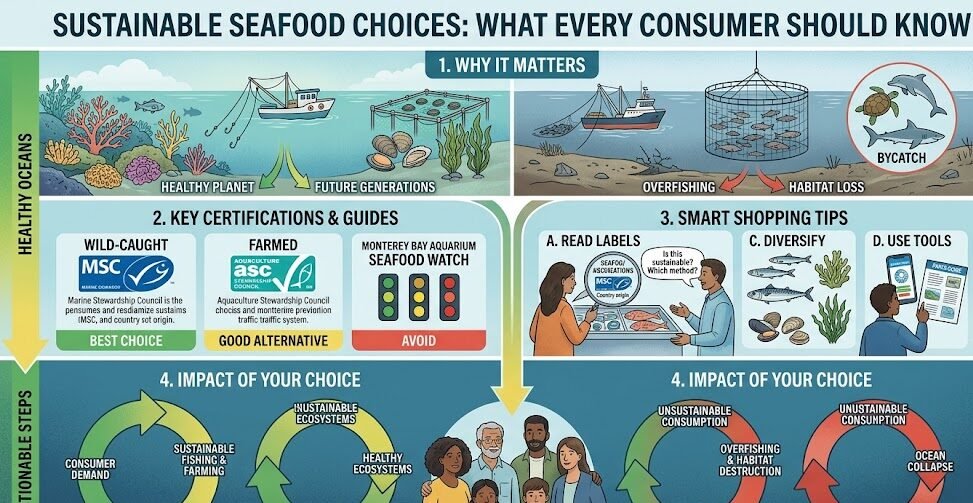
- Lower environmental impact from sustainable wild-caught fisheries
- Superior nutritional density in naturally peak-season fish
- Enhanced flavor profiles from naturally occurring fish oils
- Economic support for local fishing communities
Selecting Peak-Season Seafood
When shopping for seafood, several indicators help identify peak-season fish at their finest quality. Fresh seafood should display bright, clear eyes, firm flesh that springs back when pressed, and a mild ocean aroma without any strong “fishy” odor.
Quality Indicators by Type
- Whole Fish: Look for shiny, intact scales and bright coloring
- Fish Fillets: Should display firm texture with no browning or discoloration at edges
- Shellfish: Living shellfish should demonstrate responsiveness to stimuli; shells should close when tapped
- Shrimp: Should appear translucent or white-pink, never gray or mushy
Storage and Preparation Timing
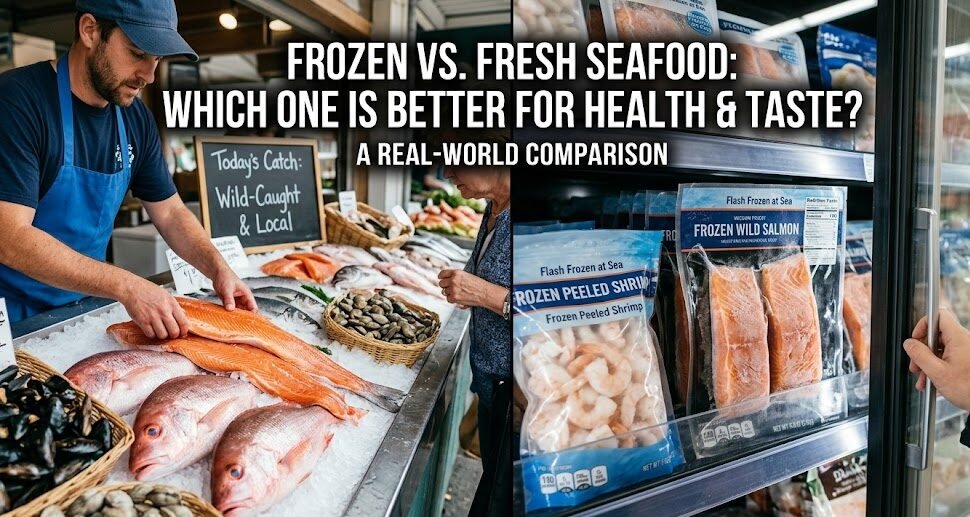
Peak-season seafood reaches optimal eating quality when consumed shortly after purchase. Most fresh fish should be used within one to two days of purchase, while properly frozen seafood maintains quality for several months when stored at zero degrees Fahrenheit or below.
Understanding seafood seasons enhances both the culinary experience and the sustainability of fish consumption.