The Connection Between Fish Consumption and Cardiovascular Health
Fish has long been recognized as a cornerstone of heart-healthy diets across numerous cultures and dietary frameworks. Scientific research over the past several decades has consistently demonstrated that regular fish consumption plays a significant role in reducing cardiovascular disease risk and promoting overall heart health. This evidence-based approach to nutrition has led health organizations worldwide to recommend fish as a primary protein source for individuals seeking to maintain or improve their cardiac function.
Understanding Omega-3 Fatty Acids and Their Cardiac Benefits
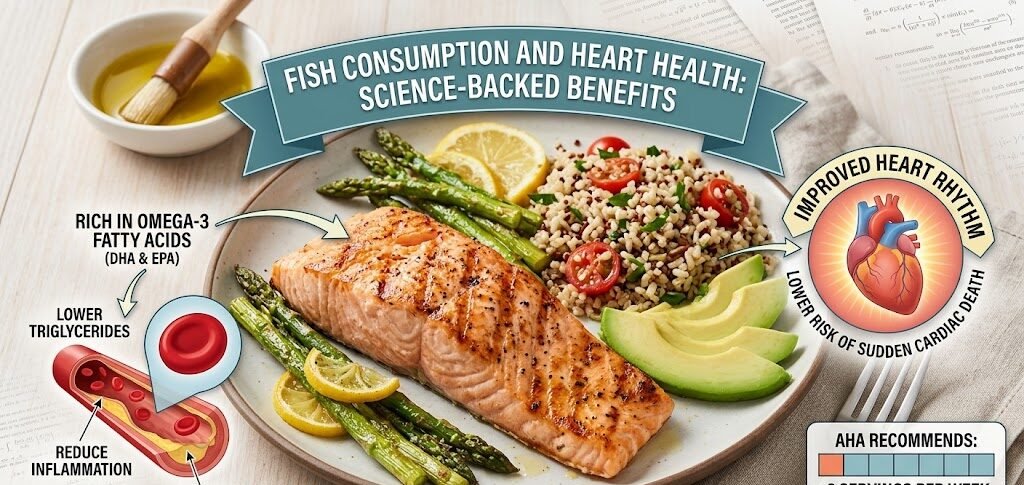
The primary mechanism behind fish’s heart-protective properties lies in its exceptional concentration of omega-3 polyunsaturated fatty acids, particularly eicosapentaenoic acid (EPA) and docosahexaenoic acid (DHA). These essential fatty acids cannot be synthesized by the human body and must be obtained through dietary sources, making fatty fish an invaluable nutritional resource.
Omega-3 fatty acids provide multiple cardiovascular benefits through distinct physiological pathways:
- Triglyceride Reduction: Research demonstrates that regular consumption of omega-3 rich fish can lower triglyceride levels by 15-30%, reducing a significant cardiovascular risk factor.
- Blood Pressure Management: The anti-inflammatory properties of EPA and DHA help relax blood vessels, promoting healthy blood pressure regulation and reducing hypertension risk.
- Platelet Aggregation Prevention: Omega-3 fatty acids reduce platelet stickiness, decreasing the likelihood of harmful blood clots that could trigger heart attacks or strokes.
- Arterial Function Enhancement: These compounds improve endothelial function, the critical layer of cells that lines blood vessels and regulates vascular health.
- Anti-inflammatory Action: Chronic inflammation is a key driver of atherosclerosis; omega-3s effectively reduce inflammatory markers throughout the cardiovascular system.
Fish Varieties With the Greatest Heart-Health Benefits
Not all fish varieties offer equal nutritional value. Fatty fish species contain substantially higher concentrations of beneficial omega-3 fatty acids compared to lean fish varieties. The most cardioprotective options include:
- Salmon
- Mackerel
- Sardines
- Herring
- Trout
- Tuna
Health professionals recommend consuming 2-3 servings of fatty fish per week, with each serving measuring approximately 3.5 ounces. This intake level has been shown to provide optimal cardiovascular benefits while minimizing potential mercury exposure from certain species.
Clinical Research Supporting Fish Consumption
Numerous large-scale epidemiological studies have provided compelling evidence for fish’s heart-protective effects. The landmark Seven Countries Study observed populations with the highest fish consumption rates experienced significantly lower rates of coronary heart disease and premature mortality. Subsequent research, including studies published in major medical journals, has consistently reinforced these findings.
A comprehensive meta-analysis examining multiple randomized controlled trials confirmed that fish oil supplementation and whole fish consumption both effectively reduce cardiovascular risk markers. Notably, these benefits manifest across diverse populations, age groups, and geographic regions, suggesting universal applicability.
Additional Cardiovascular Benefits Beyond Omega-3s
While omega-3 fatty acids represent the primary heart-health component of fish, other nutritional elements contribute to its cardiovascular benefits. Fish provides high-quality protein with minimal saturated fat, essential minerals including potassium and magnesium, and various vitamins crucial for heart function. The overall nutrient density of fish makes it an exceptionally efficient choice for heart-conscious dietary planning.
Preparation Methods and Nutritional Optimization
The method by which fish is prepared significantly influences its health benefits. Grilling, baking, steaming, and poaching preserve omega-3 content while avoiding the addition of unhealthy fats. Conversely, deep-frying fish in processed oils negates many health advantages and introduces harmful trans fats. For maximum cardiovascular benefit, preparation techniques should emphasize simplicity and minimal added fats.
Mercury Considerations and Safe Consumption Guidelines
While fish offers substantial health benefits, some species accumulate mercury, a neurotoxin of concern, particularly for pregnant women and young children. Recommended consumption guidelines balance the significant cardiovascular benefits against potential mercury exposure by suggesting varied fish selection and portion control. Low-mercury options including salmon, sardines, and trout can be safely consumed multiple times weekly by most adults.
Integration Into a Comprehensive Heart-Health Strategy
Fish consumption functions most effectively as part of a comprehensive cardiovascular wellness approach. Combined with regular physical activity, stress management, adequate sleep, and a diet rich in whole grains, vegetables, and fruits, fish consumption contributes meaningfully to long-term heart health and disease prevention.
The scientific evidence supporting fish’s role in cardiovascular health is robust and consistent. By incorporating fatty fish varieties into regular dietary patterns, individuals can leverage one of nature’s most effective nutritional interventions for maintaining a healthy heart and reducing chronic disease risk.